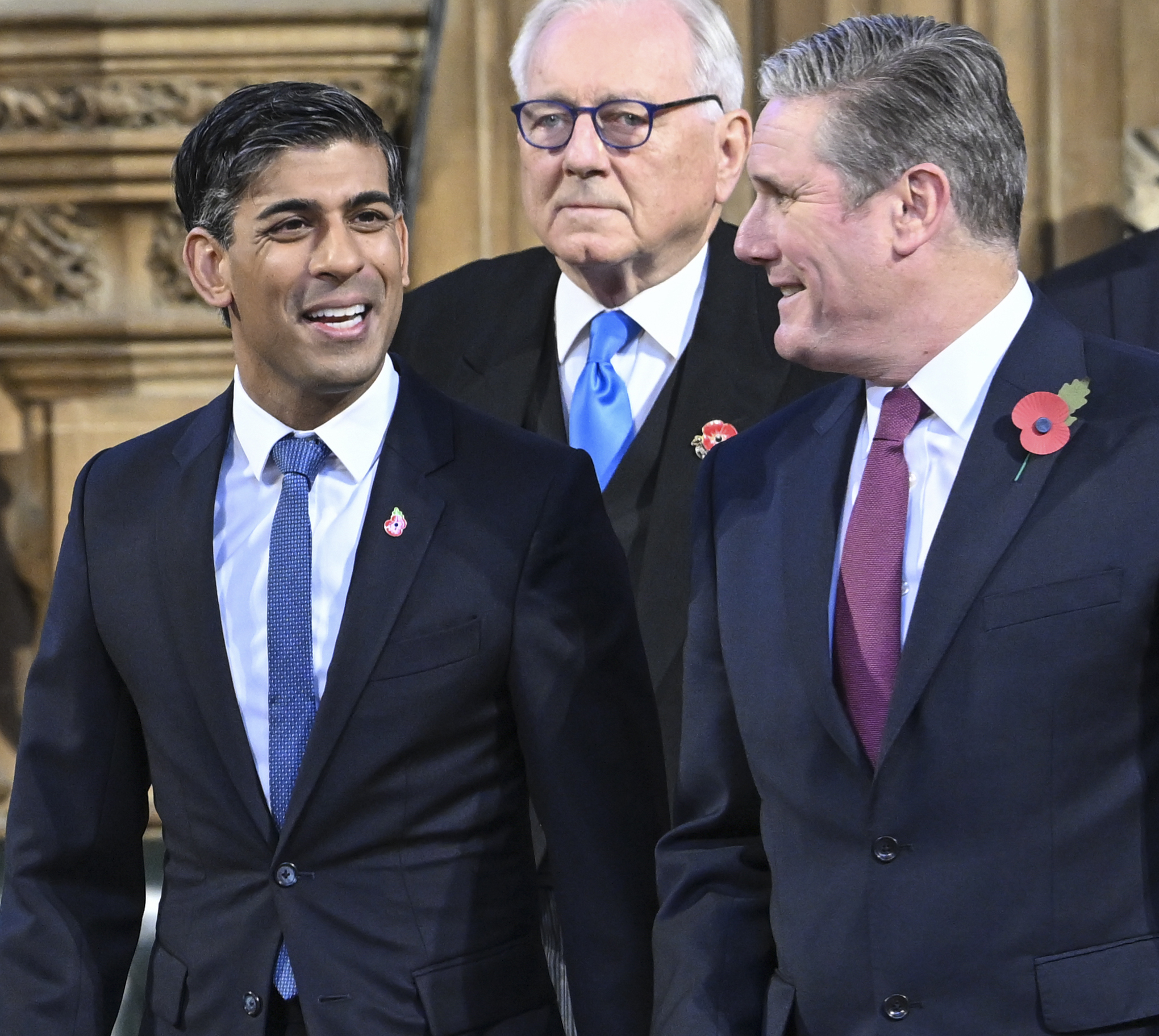
British Prime Minister Keir Starmer announced on June 22, 2026 [1], that he will resign as leader of the Labour Party and step down as Prime Minister.
The departure of the UK's head of government creates a sudden leadership vacuum in Central London during a period of significant economic and social volatility. This transition follows a series of political challenges that have strained the relationship between the government and the electorate.
Public reactions in London have been mixed, with many citizens expressing fatigue over the frequent turnover of leadership. Residents said a combination of unfulfilled promises and perceived mistakes were primary drivers for the political shift. The resignation comes as the country continues to grapple with internal party pressure and persistent political turmoil [2].
Much of the public anger is centered on the cost of living. Many Britons feel that the government failed to provide meaningful relief from rising prices, leading to a sense of disillusionment with the current administration [3].
One London resident said, "Too much change, but nothing really is changing for the better" [4].
The resignation marks the end of Starmer's tenure as the head of the Labour Party. His exit reflects a broader trend of instability within the UK's executive branch, where the pressure to deliver immediate economic results has collided with complex internal party dynamics [5].
Observers in Central London said the announcement felt like another chapter in a cycle of leadership changes that have failed to address the core needs of the population [6].
“Too much change, but nothing really is changing for the better.”
Starmer's resignation underscores a crisis of confidence in the UK's political establishment. The intersection of internal party instability and a public exhausted by the cost-of-living crisis suggests that the next leader will face immediate pressure to deliver tangible economic improvements rather than ideological shifts to avoid a similar fate.


