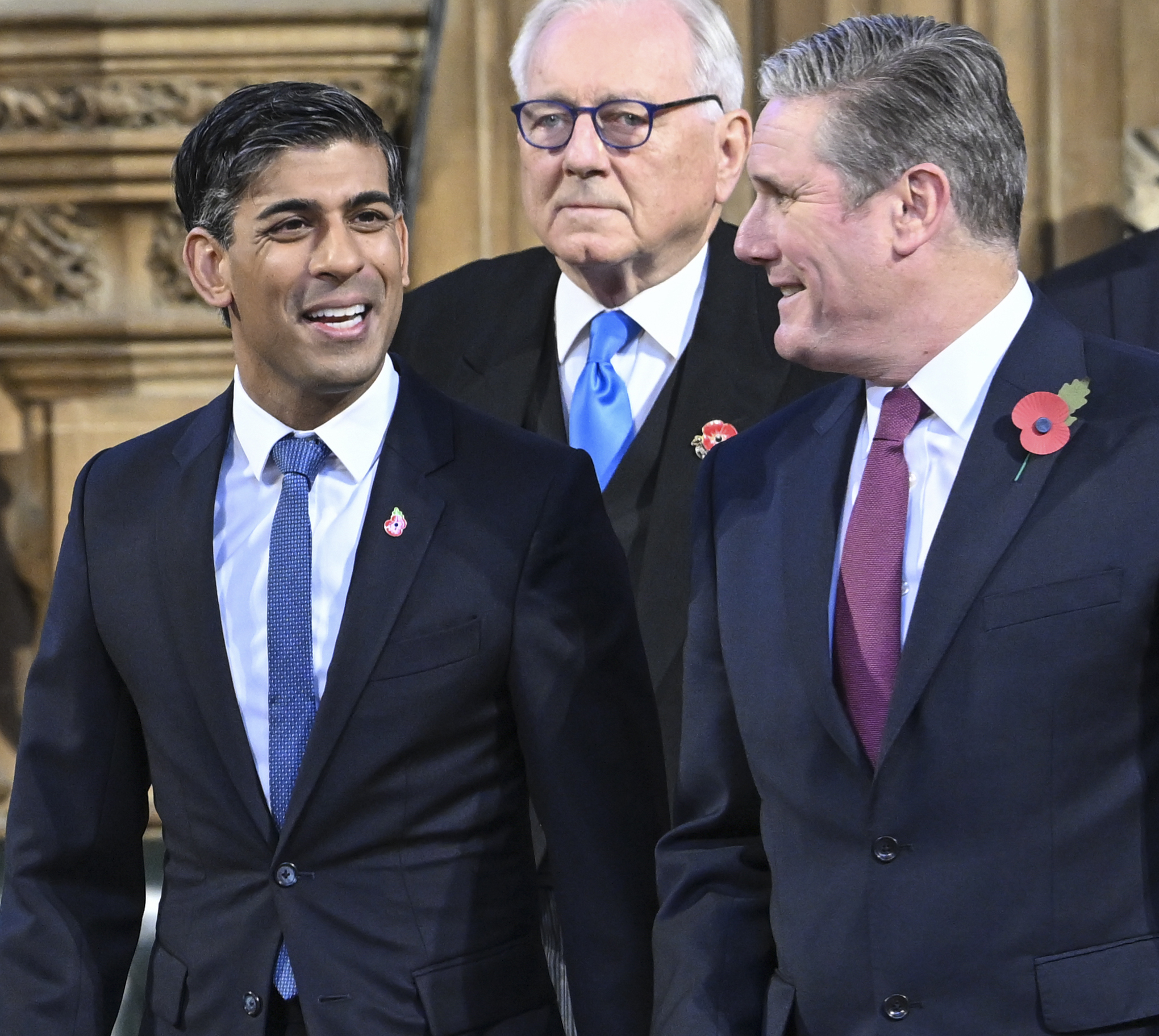
British Prime Minister Keir Starmer announced his resignation on June 22, 2026 [3], following significant pressure from within the Labour Party.
The departure of the UK's leader marks a period of instability for the government as it struggles to maintain unity after a series of electoral setbacks.
Starmer's tenure as Prime Minister lasted less than two years [1]. The decision comes after the Labour Party suffered major defeats in recent local elections, which fueled calls for a change in leadership [2].
In London, where the announcement was made, party officials said the resignation was the result of mounting internal friction [2]. Peter Kyle said Starmer was taking time to "try and reflect on the political challenges that he faces" [4].
Following the announcement, Andy Burnham said he will run for the Labour leadership [5]. The party aims to have a new leader in place by September 2026 [6].
The transition period begins immediately as the party prepares for a leadership election to determine who will succeed Starmer as Prime Minister. This internal process will decide the direction of the party, and the government's legislative agenda for the remainder of the term.
“Keir Starmer announced his resignation on June 22, 2026”
Starmer's exit reflects a breakdown in confidence between the Prime Minister and his party's base following local electoral failures. The swift entry of Andy Burnham into the leadership race suggests a potential shift in the party's ideological or strategic direction. Because the party seeks a replacement by September, the UK faces a short window of leadership uncertainty that could affect domestic policy and international relations.