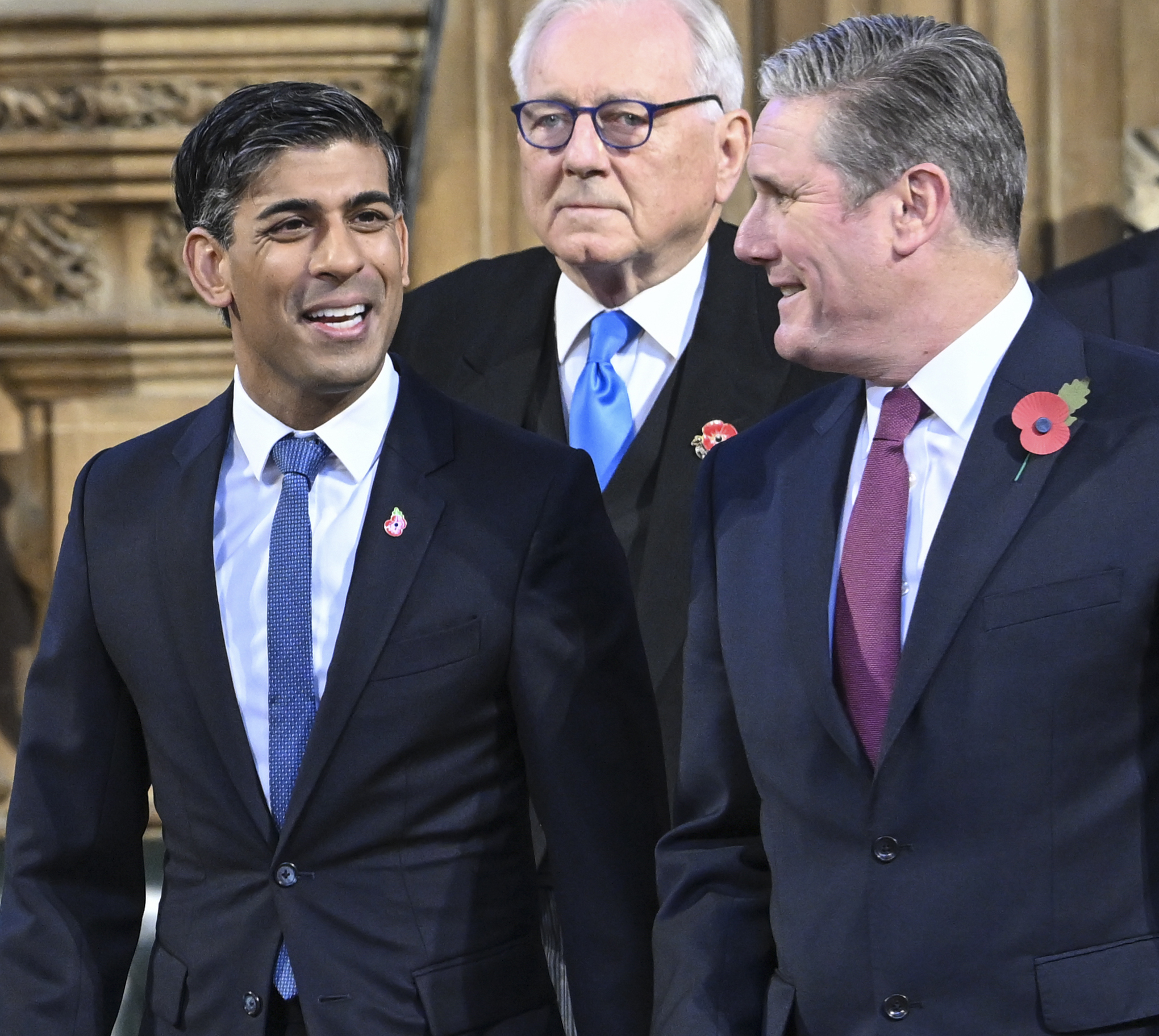
UK Prime Minister Keir Starmer announced his resignation as the country's leader and head of the Labour Party on Monday.
The departure marks a period of significant instability for the British government, coming just two years after Starmer won a landslide majority [4]. His exit reflects a deepening crisis of confidence within his own party and a struggle to maintain public support.
Starmer's decision follows a period of intense internal party pressure. A party mutiny intensified after Andy Burnham won a special election one week before the resignation announcement [5]. This electoral shift, combined with historically low approval ratings, made Starmer's position untenable.
The frequency of leadership changes in the United Kingdom has reached a historic pace. Reports on the exact count vary, with some indicating Starmer was the sixth leader in seven years [3] or the sixth Prime Minister in 10 years [2]. Other accounts suggest his departure clears the path for a seventh Prime Minister in a decade [1].
While some reports link the resignation to a party mutiny and low popularity [1], other sources have suggested the influence of an "Epstein factor" in the decision [6]. Starmer said he has not detailed these specific pressures in his announcement.
The Labour Party must now navigate a leadership transition to avoid further political volatility. The vacuum created by Starmer's exit opens the door for successors like Andy Burnham to vie for control of the government.
“Starmer won a landslide majority two years ago”
Starmer's resignation underscores the fragility of the Labour government's mandate despite its initial landslide victory. The rapid turnover of Prime Ministers—potentially seven in 10 years—suggests a systemic inability to maintain long-term executive stability in the UK. This volatility may hinder the government's ability to implement long-term policy goals and could weaken the UK's diplomatic standing internationally.


