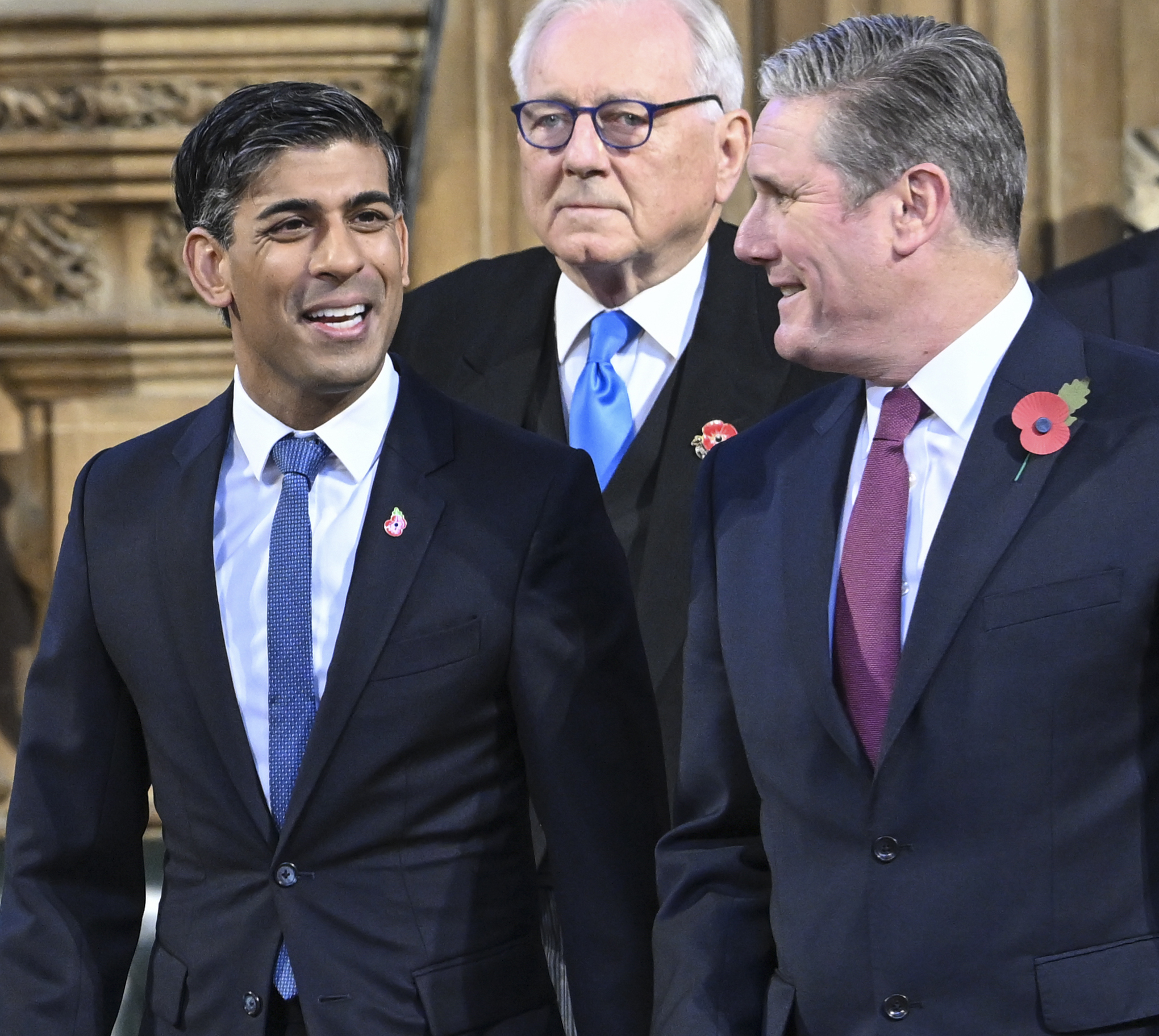
UK Prime Minister Keir Starmer said Monday that he will step down as head of the government and the Labour Party [1].
The resignation marks a sudden leadership vacuum in the United Kingdom, coming roughly two years after Starmer led his party to a landslide victory [4]. His departure follows a period of escalating internal dissent and a shift in political momentum within his own ranks.
Pressure on the Prime Minister intensified as more than 80 Labour lawmakers publicly called for him to resign [1]. This wave of opposition was fueled by internal party conflict, and the results of recent local elections that strengthened the position of political rival Andy Burnham [1].
A critical flashpoint occurred during the Makerfield local election on June 18, 2026 [5]. In that specific constituency, where approximately 75,000 people were eligible to vote [2], the outcome served as a catalyst for the mounting demands for a change in leadership [1].
Starmer said he will leave office within weeks [3]. While he did not specify an exact date for his final day, the timeline suggests a rapid transition period for the Labour Party to select a successor.
The Prime Minister's exit follows months of strategic tension. Reports from earlier this month indicated that the party's internal stability had been compromised by the perceived rise of alternative leaders who could better navigate the current political climate [1].
“Starmer said Monday that he will step down as head of the government and the Labour Party”
Starmer's resignation reflects a collapse in party discipline and a misalignment between the Prime Minister's leadership and the expectations of his parliamentary base. The influence of local election results, particularly in Makerfield, suggests that the Labour Party is prioritizing a leader who can maintain regional momentum over the stability of the current administration.