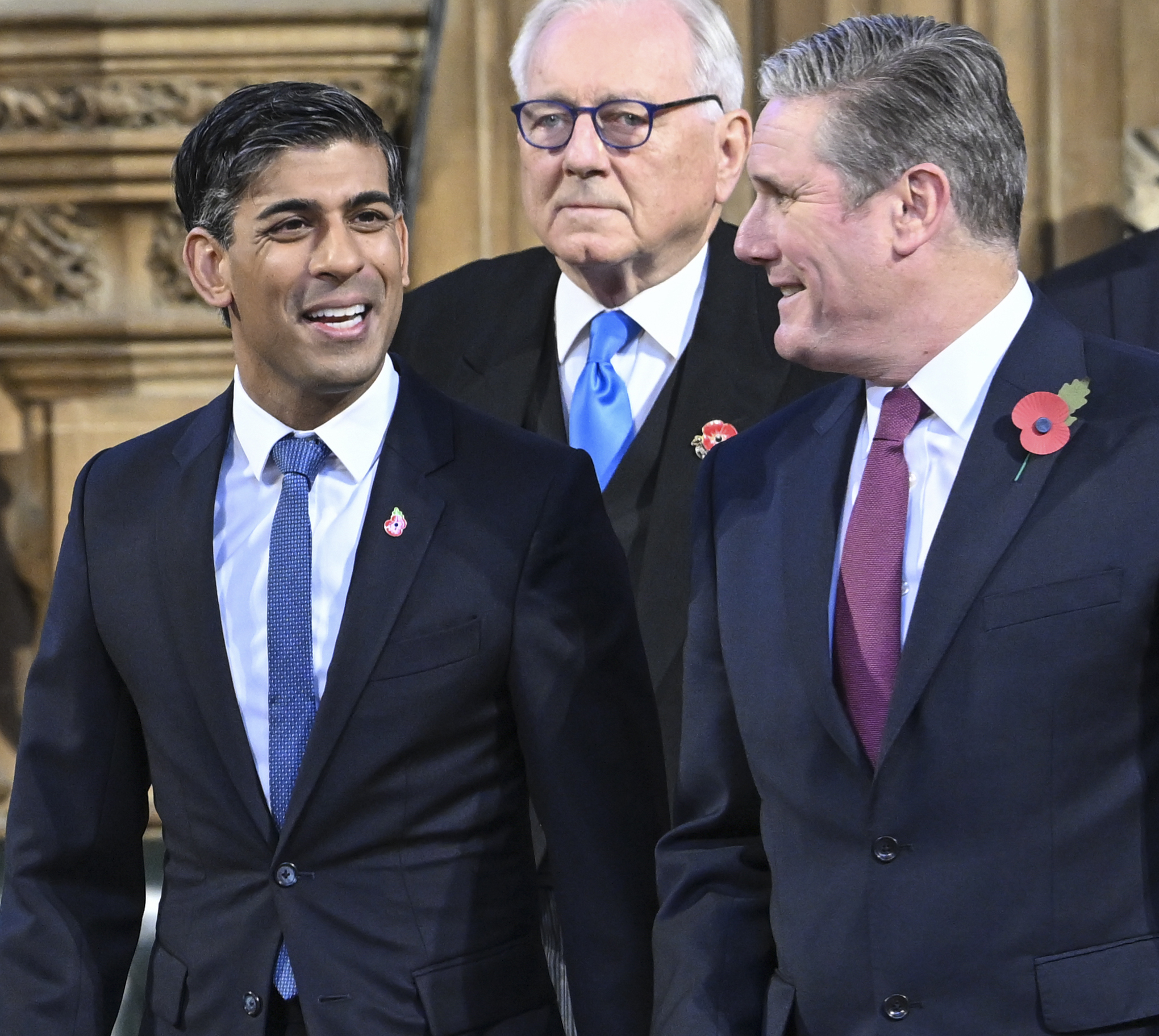
Sir Keir Starmer, Prime Minister of the United Kingdom, has resigned from his position. He announced the decision during a speech outside the black door of 10 Downing Street.
The resignation marks a period of significant instability for British governance. Starmer is the seventh prime minister to lead the country in 10 years [3].
Pressure within the Labour Party grew following disastrous local election results in May [1]. These setbacks, combined with a rapid decline in public support, made Starmer's position untenable. His tenure lasted approximately 24 months [2].
During his address, Starmer said he had a list of achievements from his time in office. However, the announcement comes as the party faces internal turmoil over the direction of the government.
The resignation follows a trend of short-lived leadership in the UK. The frequent turnover of prime ministers has created a volatile political environment, one that complicates long-term policy implementation and international relations.
Labour must now navigate a leadership transition to stabilize the party before the next general election. The party's ability to recover from the May losses will determine if the next leader can maintain a governing majority.
“Starmer is the seventh prime minister to lead the country in 10 years”
The resignation of Keir Starmer underscores a deepening crisis of leadership within the UK's executive branch. By becoming the seventh prime minister in a decade, Starmer's exit highlights a pattern of volatility that may hinder the UK's ability to provide consistent economic and diplomatic leadership on the global stage.


