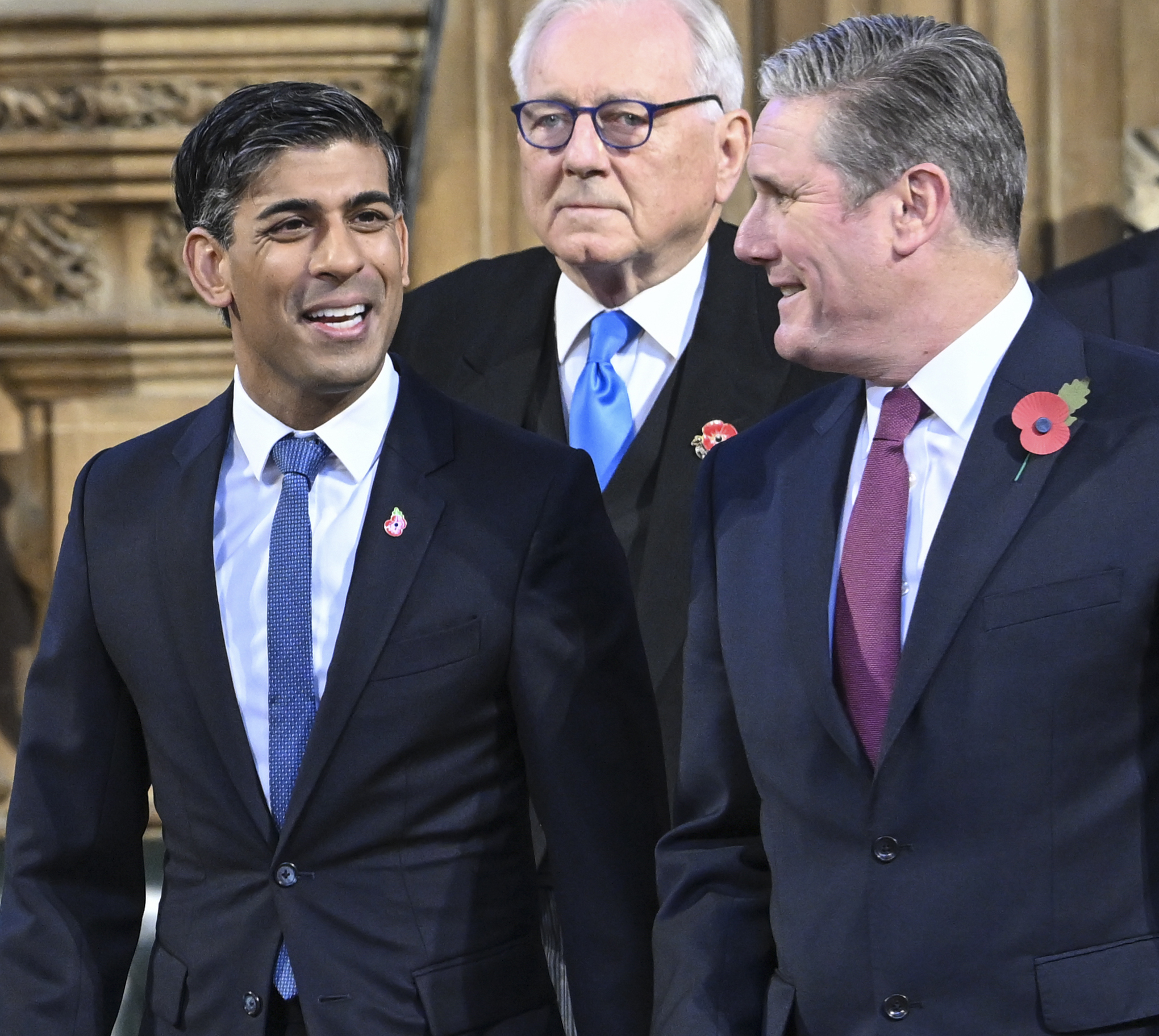
UK Prime Minister Keir Starmer announced Monday that he plans to resign from his position [1, 2].
The departure of the head of government creates a sudden power vacuum in British politics and signals a shift in leadership within the Labour Party.
Starmer made the announcement from Downing Street on June 22, 2026 [1, 2]. The decision comes less than two years after he secured a landslide victory in the general election [4].
Internal party pressure intensified following a recent by-election win by former Manchester mayor Andy Burnham [1, 2]. That victory increased calls for Starmer to exit his role as prime minister to allow for new leadership [1, 2].
Burnham has emerged as the likely successor to lead the government [3]. The move follows a period of increasing tension between the prime minister and other high-profile figures within his party.
Official details regarding the exact date of the transition have not been released. The resignation process will now move toward the formal selection of a new party leader to take over the premiership [1, 2].
“Keir Starmer announced on Monday that he plans to resign from his position.”
This resignation marks a rapid collapse of Starmer's mandate despite his significant electoral success. The rise of Andy Burnham suggests a pivot in the party's internal power dynamics, as local electoral successes are now being leveraged to challenge national leadership.