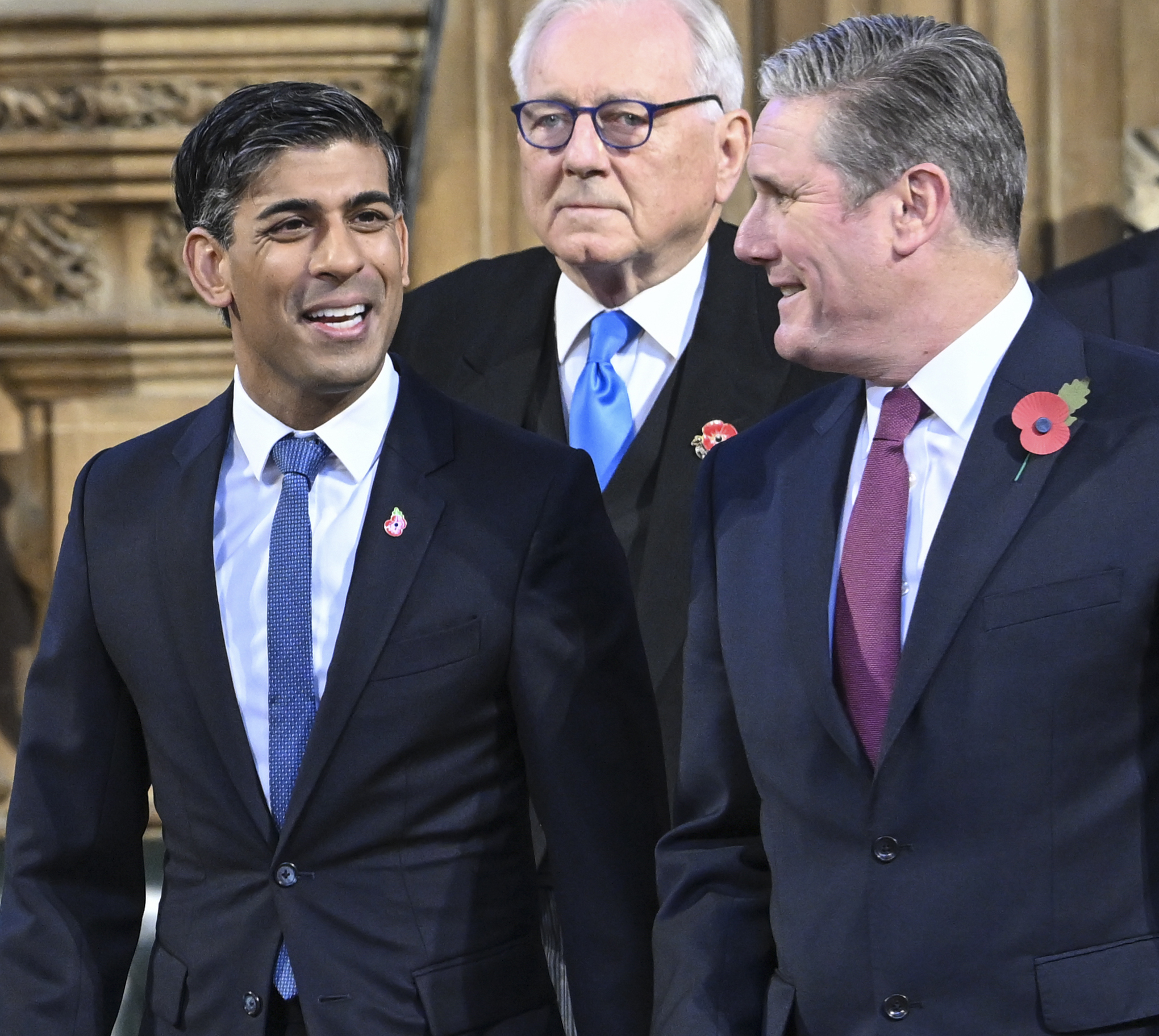
British Prime Minister Keir Starmer announced his resignation as prime minister and leader of the Labour Party on Monday [1].
The resignation marks a significant destabilization of the UK government, as Starmer departs under pressure from within his own party following a series of electoral defeats [2].
Starmer made the announcement from Downing Street in London [3]. He said he will remain as caretaker prime minister until the Labour Party selects a new leader to take over the government [1].
The decision follows a period of mounting tension between the prime minister and his colleagues [2]. This internal revolt was triggered by devastating losses in recent local elections, which weakened the party's standing and sparked calls for a change in leadership [3].
This leadership transition adds to a period of historic volatility in British politics. Starmer is the sixth UK prime minister to leave office in the past 10 years [4].
While a successor has not yet been named, the Labour Party must now navigate an internal contest to determine who will lead the government. Starmer's departure leaves the administration in a transitional phase during a time of political fragility [2].
“Starmer is the sixth UK prime minister to leave office in the past 10 years”
The resignation of Keir Starmer underscores a continuing trend of leadership instability within the United Kingdom's executive branch. By becoming the sixth prime minister to exit in a decade, Starmer's tenure reflects the difficulty of maintaining party unity in the face of local electoral declines. The caretaker period creates a power vacuum that may embolden political opponents and leave the government unable to pass significant new legislation until a permanent leader is installed.