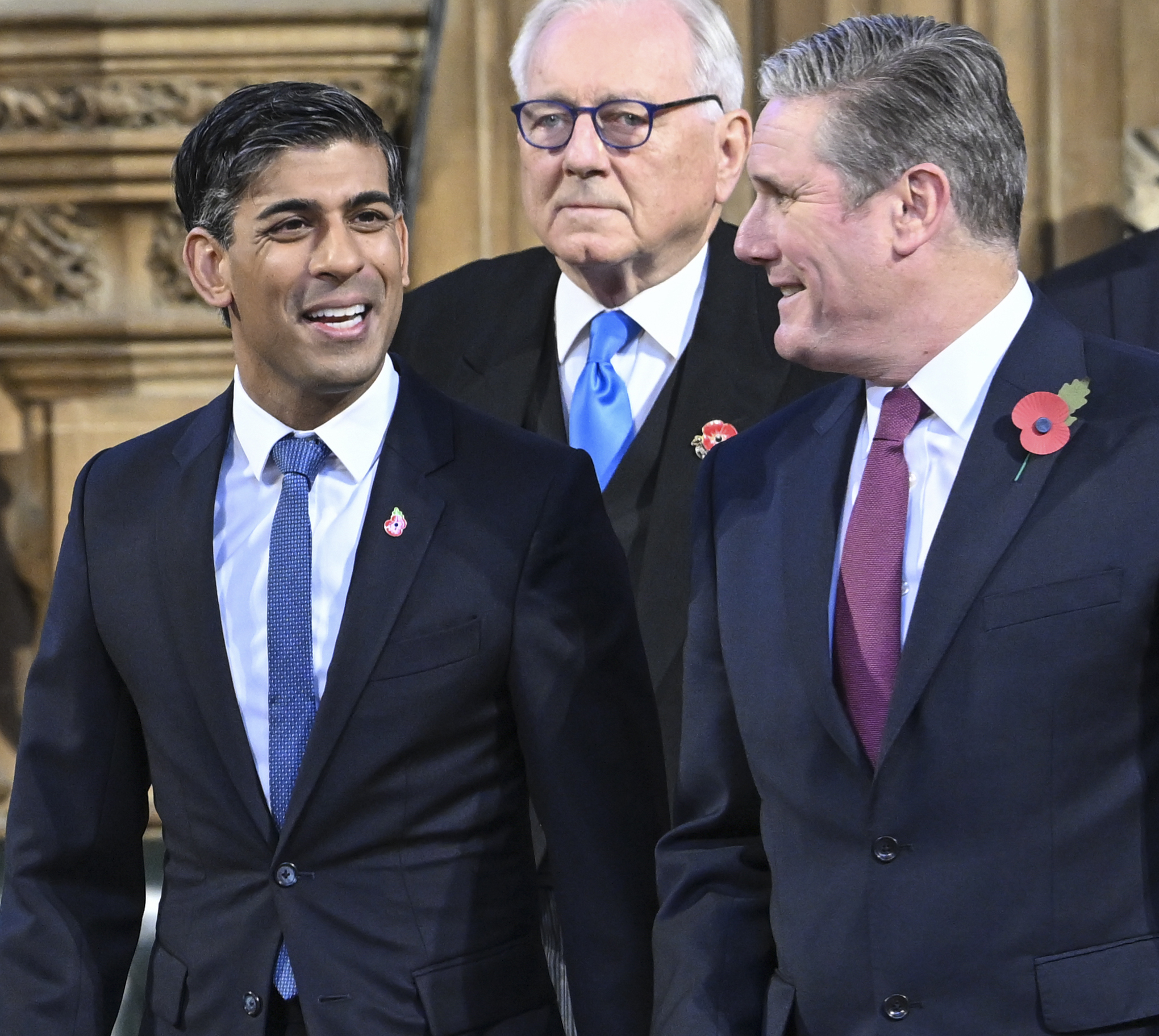
UK Prime Minister Keir Starmer has resigned from his position following a period of significant public unrest [1, 2].
The resignation marks a pivotal shift in British leadership as the government grapples with deep-seated societal divisions and policy failures. This transition occurs amid a volatile political climate where domestic pressures have outpaced the administration's ability to maintain a mandate.
Steve Yates, a fellow at the Heritage Foundation, said public anger over open-border policies and "wokeism" served as key factors leading to the resignation [1, 2]. Yates said these issues acted as final straws for Starmer, eroding his support among the electorate [1, 2].
The unrest stems from a perceived disconnect between the government's social priorities and the concerns of the general public. Critics have pointed to the administration's handling of migration and cultural shifts as primary drivers of the instability [1, 2].
While the official resignation process is underway, the specific timeline for the appointment of a successor remains a point of focus for the UK government [1, 2]. The departure follows a series of challenges that tested the stability of the current leadership's platform.
Political observers note that the pressure mounted as public frustration transitioned from policy disagreements into a broader demand for leadership change [1, 2]. The role of cultural grievances in the Prime Minister's exit highlights the growing influence of these issues on national governance [1, 2].
“Public anger over open-border policies and 'wokeism' served as key factors leading to the resignation.”
The resignation of Keir Starmer suggests that cultural and migration policies have become primary determinants of political survival in the UK. By linking the departure to public frustration with 'wokeism' and border control, the event indicates a shift where ideological social conflicts can override traditional legislative agendas, potentially forcing future leaders to pivot toward more conservative social policies to maintain stability.

