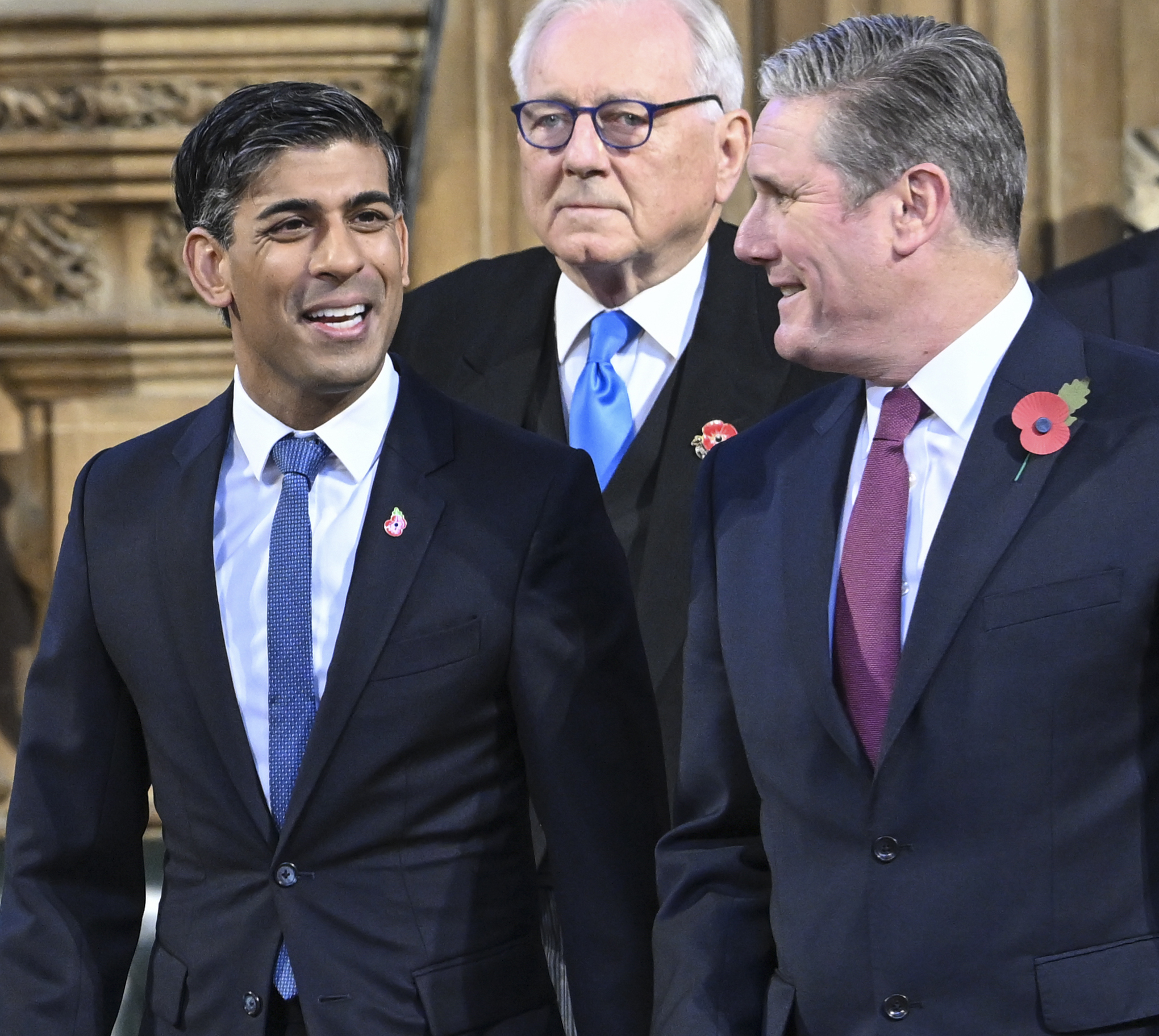
British Prime Minister Keir Starmer announced his resignation as the leader of the United Kingdom and the Labour Party on Monday [1].
Starmer's departure marks a significant shift in British governance following a period of intense political instability. His resignation leaves the Labour Party facing a leadership vacuum while attempting to maintain a governing majority in Parliament.
The announcement took place from Downing Street in London [2]. Starmer said mounting political pressure was the primary driver for his decision to step down [3]. This pressure followed a series of devastating losses in local elections that weakened the party's standing with voters [3].
Internal conflict within the Labour Party further eroded Starmer's authority. He faced a direct challenge from Andy Burnham and sustained pressure from political rivals, including Nigel Farage [1, 3]. The revolt within his own ranks made his continued leadership untenable.
This leadership transition is part of a broader trend of volatility in the UK government. Starmer is the sixth UK Prime Minister to resign within a decade [4]. The frequency of these changes reflects a challenging environment for heads of state in modern Britain.
Starmer's exit follows a pattern of rapid turnover in the Prime Minister's office. The Labour Party must now determine whether to hold a leadership contest, or appoint an interim successor to manage the government's daily operations.
“Keir Starmer announced his resignation as the leader of the United Kingdom and the Labour Party”
The resignation of Keir Starmer underscores the fragility of leadership within the UK's current political climate. By becoming the sixth Prime Minister to exit in 10 years, Starmer's tenure highlights how local election volatility and internal party fractures can rapidly dismantle a leader's mandate, regardless of party affiliation.