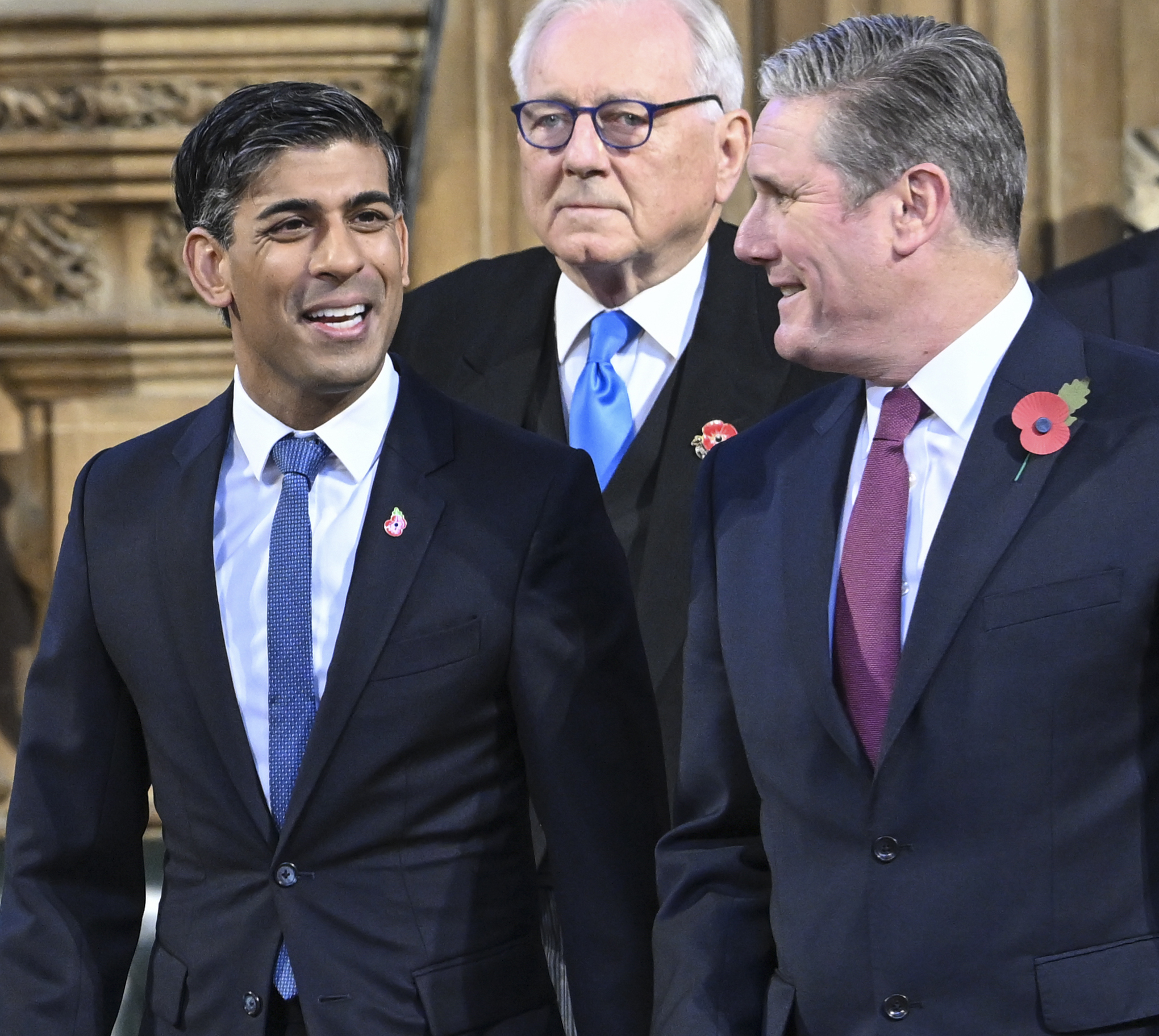
British Prime Minister Keir Starmer (Labour) announced on June 22, 2026, that he will resign from his position [1].
The resignation marks a sudden leadership crisis for the UK government less than two years after Starmer's landslide election victory in 2024 [2].
Starmer faced internal pressure from the Labour Party following a series of local elections described as "devastating" losses for the party [3]. This electoral decline triggered a revolt within his own ranks, leaving the prime minister's position untenable. Additional pressure also came from political opponents, including Nigel Farage [5].
Despite the announcement, Starmer will not leave office immediately. He said he will remain as prime minister until the Labour Party selects a new leader [4]. Starmer has asked the party's governing body to ensure this process is completed before Parliament returns in September [4].
The transition period begins as the party seeks to stabilize its platform after the recent voting setbacks. The internal challenge within the Labour Party, combined with external political pressure, forced the change in leadership [5].
Starmer will continue to manage government affairs during the summer recess while the party conducts its leadership contest [4].
“Starmer will remain as PM until Labour chooses a new leader”
The resignation of Keir Starmer signals a significant shift in UK political stability, suggesting that the mandate from the 2024 landslide victory was fragile. By stepping down due to local election losses and internal party revolt, the Labour Party is attempting to reset its leadership to prevent further electoral erosion before the next general election. The timeline for a new leader by September is critical to ensure the government can present a unified front when Parliament reconvenes.