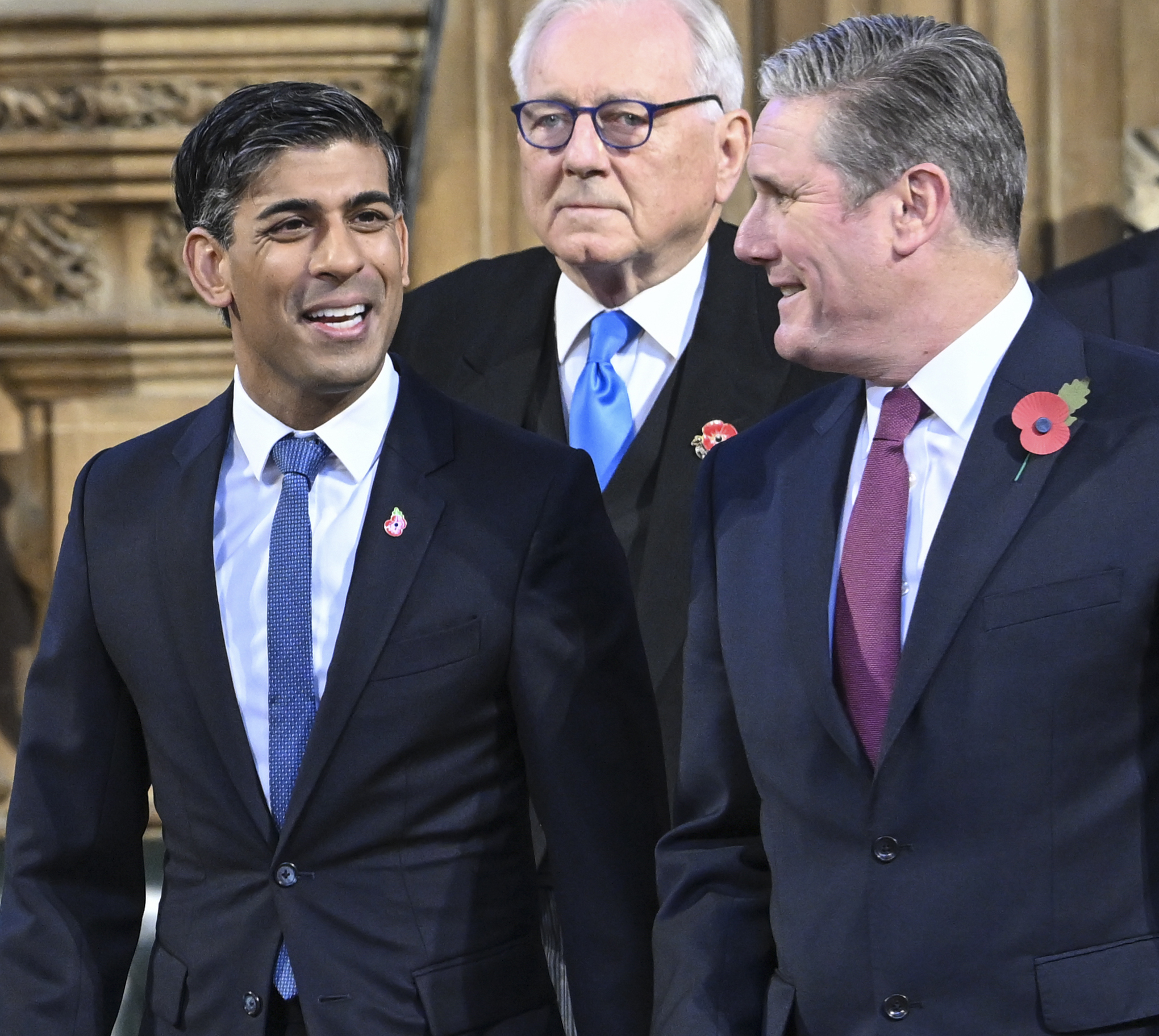
UK Prime Minister Keir Starmer announced his resignation as head of the government and leader of the Labour Party on Monday [2].
The departure of the Prime Minister creates a sudden power vacuum in the United Kingdom and signals a period of instability for the Labour government. This shift follows a period of mounting internal friction and a perceived loss of authority within the ruling party.
Starmer delivered the announcement from Downing Street [4]. His decision comes after a period of increasing isolation within his own party, exacerbated by a partial legislative victory achieved by his rival, Andy Burnham [1, 4]. The internal pressure from within the Labour ranks reportedly became unsustainable, leading to the decision to step down [1, 4].
Starmer has served in the role of Prime Minister for two years [1]. While some reports initially mentioned January, other primary records confirm the announcement occurred on June 22, 2026 [2].
The transition now moves to the Labour Party's internal mechanisms to select a new leader. The political landscape remains tense as the party attempts to reconcile the factions that contributed to Starmer's isolation. The legislative successes of Andy Burnham have positioned him as a significant figure in the subsequent transition of power [4].
No immediate successor was named during the announcement, though the process for selecting a new party leader will begin shortly. The resignation marks the end of a tenure characterized by attempts to stabilize the UK's domestic policy, and navigate the complexities of a divided legislature.
“Keir Starmer announced his resignation as head of the government and leader of the Labour Party.”
Starmer's resignation reflects the fragility of leadership when legislative goals clash with party unity. By stepping down following Andy Burnham's legislative gains, Starmer acknowledges a shift in the Labour Party's internal power dynamics. This transition likely opens the door for a more populist or different ideological direction within the party, potentially altering the UK's legislative priorities in the coming months.


