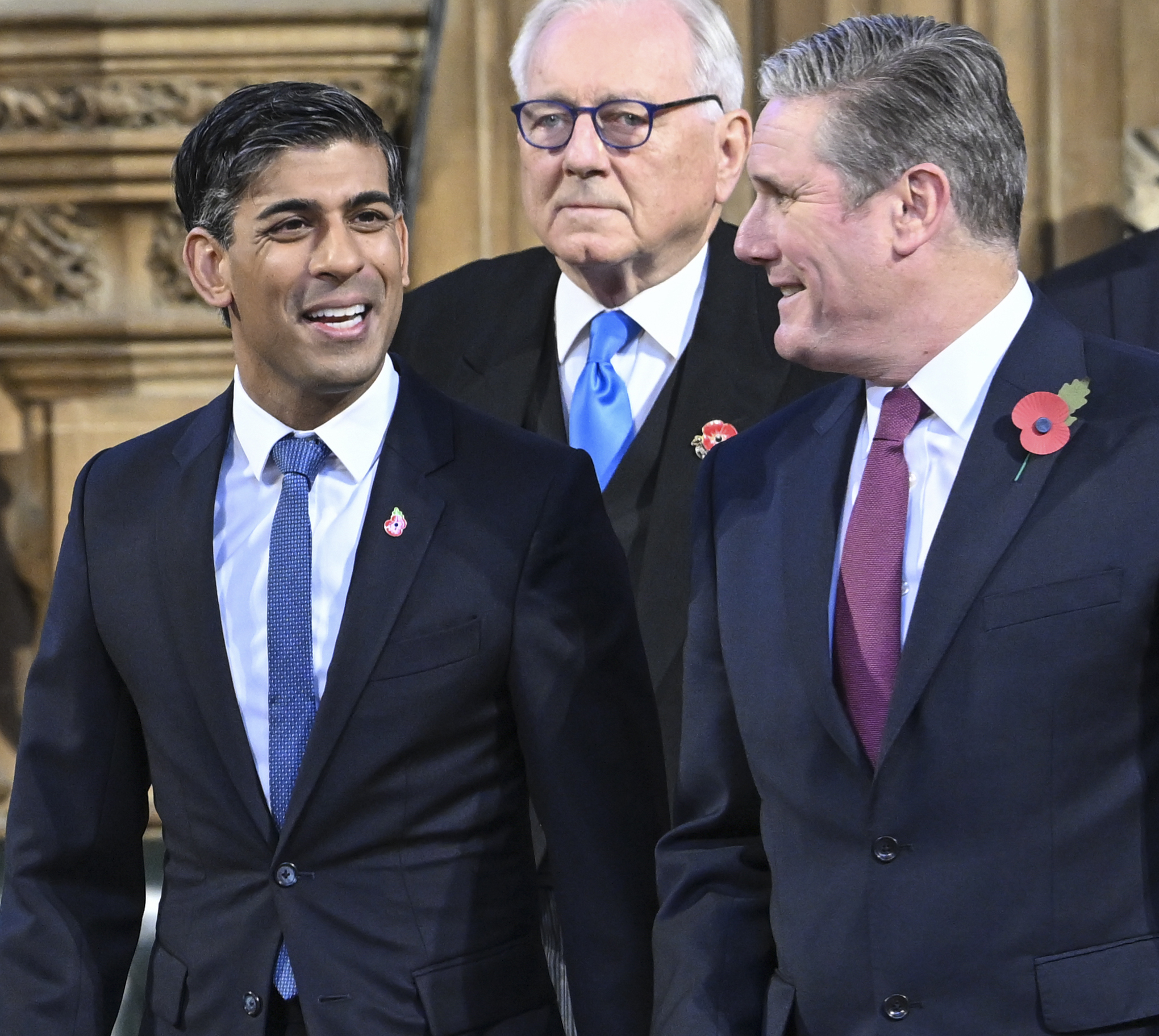
Sir Keir Starmer (Labour) announced his resignation as UK Prime Minister and leader of the Labour Party on June 22, 2026 [1].
The departure of the Prime Minister creates a sudden power vacuum in the UK government during a period of significant political instability. This transition occurs as the country faces its seventh leader in 10 years [2].
Standing outside No. 10 Downing Street in London, Starmer outlined a strict timetable for his successor [2]. Nominations for the leadership contest are scheduled to open on July 9, 2026 [3]. The party expects to have a new leader in place by September 2026 [3].
The resignation follows mounting pressure from within the Labour Party [4]. This internal tension culminated in the announcement, which coincides with a confirmed leadership bid from Andy Burnham, the former mayor of Greater Manchester [4].
Burnham said he intends to succeed Starmer as the head of the party [4]. The leadership transition will take place while the UK government manages its current legislative agenda before parliament returns in September 2026 [3].
Starmer's decision to step down ends his tenure as both the head of government and the leader of the Labour Party [1]. The process now moves to the party's internal nomination phase, which begins in early July [3].
“The UK faces its seventh leader in ten years.”
Starmer's resignation underscores a volatile period of British governance characterized by rapid leadership turnover. The entry of Andy Burnham into the race suggests a potential shift in the Labour Party's internal direction, while the September deadline for a new leader aims to provide stability before the parliamentary session resumes.