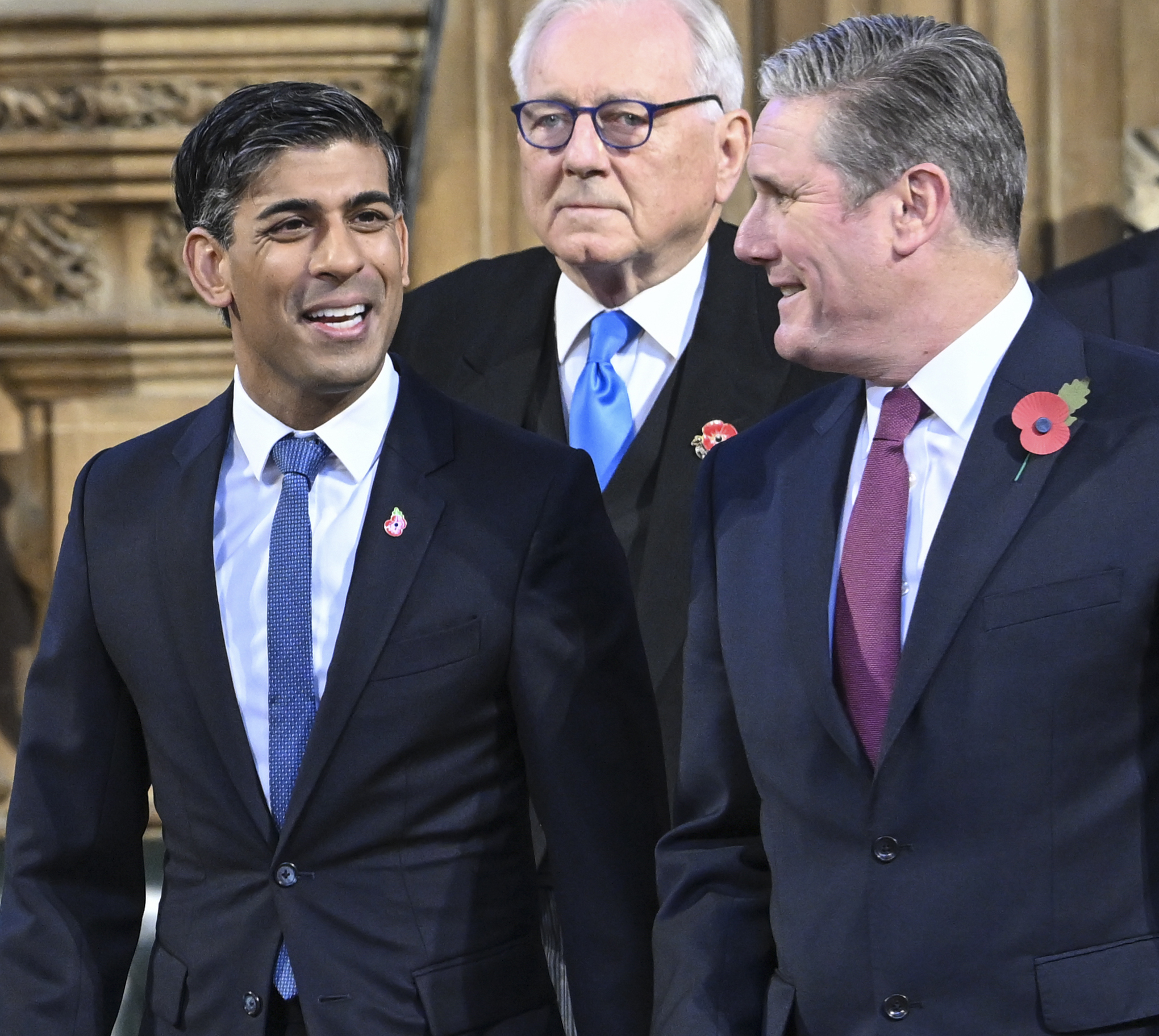
British Prime Minister Keir Starmer announced his resignation as head of the government and the Labour Party on Monday [1].
The departure of the UK's top leader creates a power vacuum in London and signals a period of instability for the governing party. Starmer's exit follows a series of political setbacks that eroded his authority within the Labour Party and among the general public [1, 3].
Standing outside 10 Downing Street, Starmer said he will leave office within weeks [2, 4]. The announcement comes approximately two years after Starmer led the Labour Party to a landslide victory in the general election [3].
Internal pressure played a significant role in the decision. The prime minister faced mounting unrest within his own party, driven by a combination of economic frustrations and a shift in the public mood [1, 5]. These challenges were compounded by recent election defeats and declining poll numbers that weakened his mandate to lead [1, 3].
Starmer is the sixth person to serve as UK prime minister in a period ranging from seven to 10 years [1, 6]. This rapid turnover in leadership highlights a volatile era for British politics, marked by frequent changes at the highest level of government [1].
The Labour Party must now navigate a leadership contest to determine who will succeed Starmer. While the prime minister remains in place for a short transition period, the focus shifts to potential successors, and the party's ability to maintain a governing majority in Parliament [2, 4].
“Starmer is the sixth person to serve as UK Prime Minister in a period ranging from seven to 10 years.”
Starmer's resignation underscores the fragility of the Labour Party's mandate despite its initial landslide win. The frequency of leadership changes—six prime ministers in roughly a decade—suggests a systemic struggle for stability in the UK's executive branch. The upcoming leadership transition will determine if the party can pivot its economic strategy to regain public trust or if it will face further fragmentation.