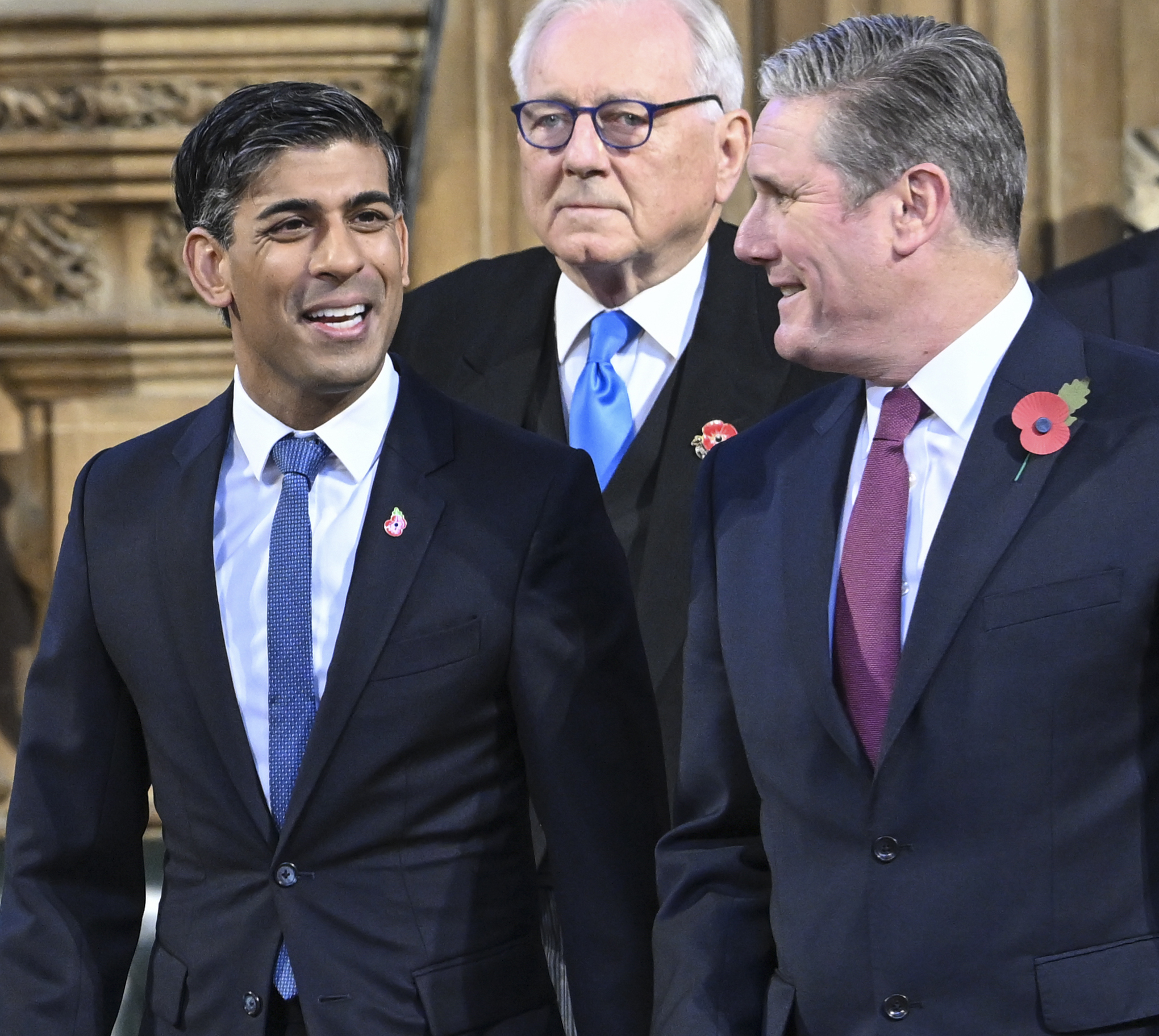
UK Prime Minister Keir Starmer announced his resignation as the head of the government and leader of the Labour Party on Monday [1, 2, 3].
The departure of the Prime Minister creates a leadership vacuum in the United Kingdom during a period of significant internal party instability. This transition may reshape the direction of the Labour Party as it navigates economic challenges and electoral setbacks.
Starmer delivered the announcement during a televised speech to the nation [1]. Observers said the Prime Minister's voice broke with emotion during the address [1].
The decision follows a period of mounting tension within the governing party. Starmer faced growing pressure from rebel Labour lawmakers who disagreed with his leadership direction [4]. This internal friction was compounded by recent election defeats that weakened the party's standing [4].
Economic frustrations within the party also played a role in the decision [4]. These financial pressures contributed to a shift in the public mood, making Starmer's position increasingly untenable [4].
Starmer has led the Labour Party through a complex period of governance, but the combination of lawmaker rebellion and public dissatisfaction led to his exit [4]. The process for selecting a new leader of the Labour Party is expected to follow according to party rules [3].
“Keir Starmer announced his resignation as Prime Minister and Labour Party leader”
The resignation of Keir Starmer signals a critical inflection point for the UK government. By stepping down amid rebel lawmaker pressure and economic frustration, Starmer acknowledges that his current strategy failed to maintain party unity or public confidence. The subsequent leadership contest will likely determine whether the Labour Party shifts toward a more radical economic platform or maintains its current trajectory to appease the dissenting wing of the party.