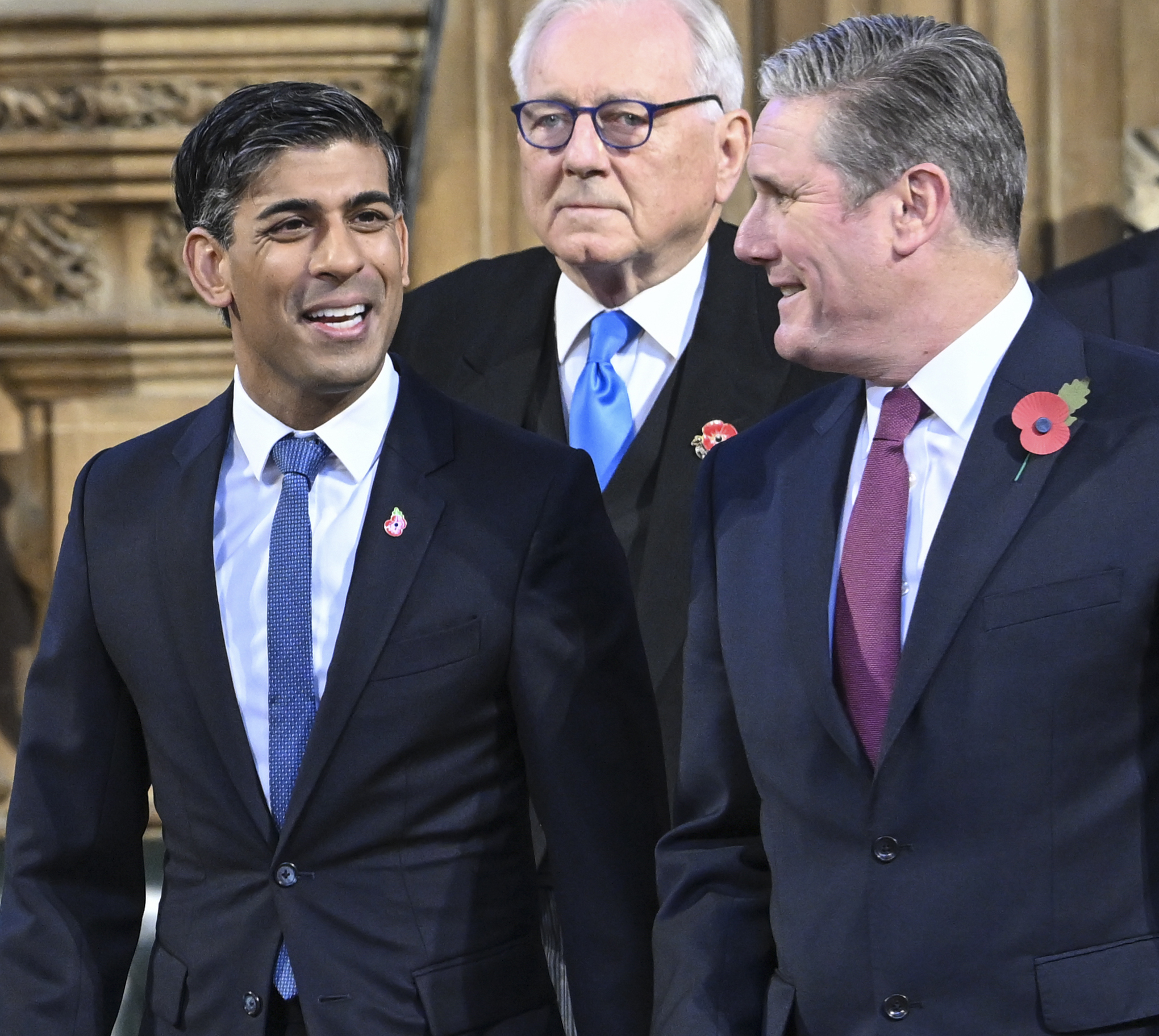
Prime Minister Keir Starmer announced his resignation from Downing Street on Monday, ending his tenure as the leader of the United Kingdom [1, 2].
The departure marks a period of significant political instability for Britain. Starmer's exit follows mounting pressure from within the governing Labour Party, which intensified after rival Andy Burnham returned to Parliament [3, 4].
During his resignation statement in London, Starmer became visibly emotional while addressing his family [1, 5]. He spoke of the personal toll of the office and the support he received from his inner circle [1, 6].
"When I leave the biggest job in the country, I shall spend more time on the most important job — being the best husband I can to my fantastic wife, Vic, who has been a rock by my side through good times and bad and being the best dad I can to my beautiful children, who are my pride and my joy," Starmer said [7].
Starmer had been in office for approximately two years [2, 8], having been elected in a landslide victory. His resignation makes him the seventh leader to hold the position of prime minister in a decade [4].
The transition comes as the Labour Party faces internal friction. The return of Andy Burnham to the parliamentary fold created a challenging environment for Starmer's leadership, contributing to the decision to step down [3, 4].
Starmer's departure leaves the Labour Party to determine its next leader and the future direction of the UK government [3].
“Starmer's resignation would make him the country's seventh leader in a decade”
The rapid succession of prime ministers in the United Kingdom suggests a systemic struggle for stability within the British executive. By becoming the seventh leader in 10 years, Starmer's tenure underscores a volatility that transcends party lines, indicating that internal party dynamics and the return of rival figures can now destabilize a government even after a landslide electoral mandate.