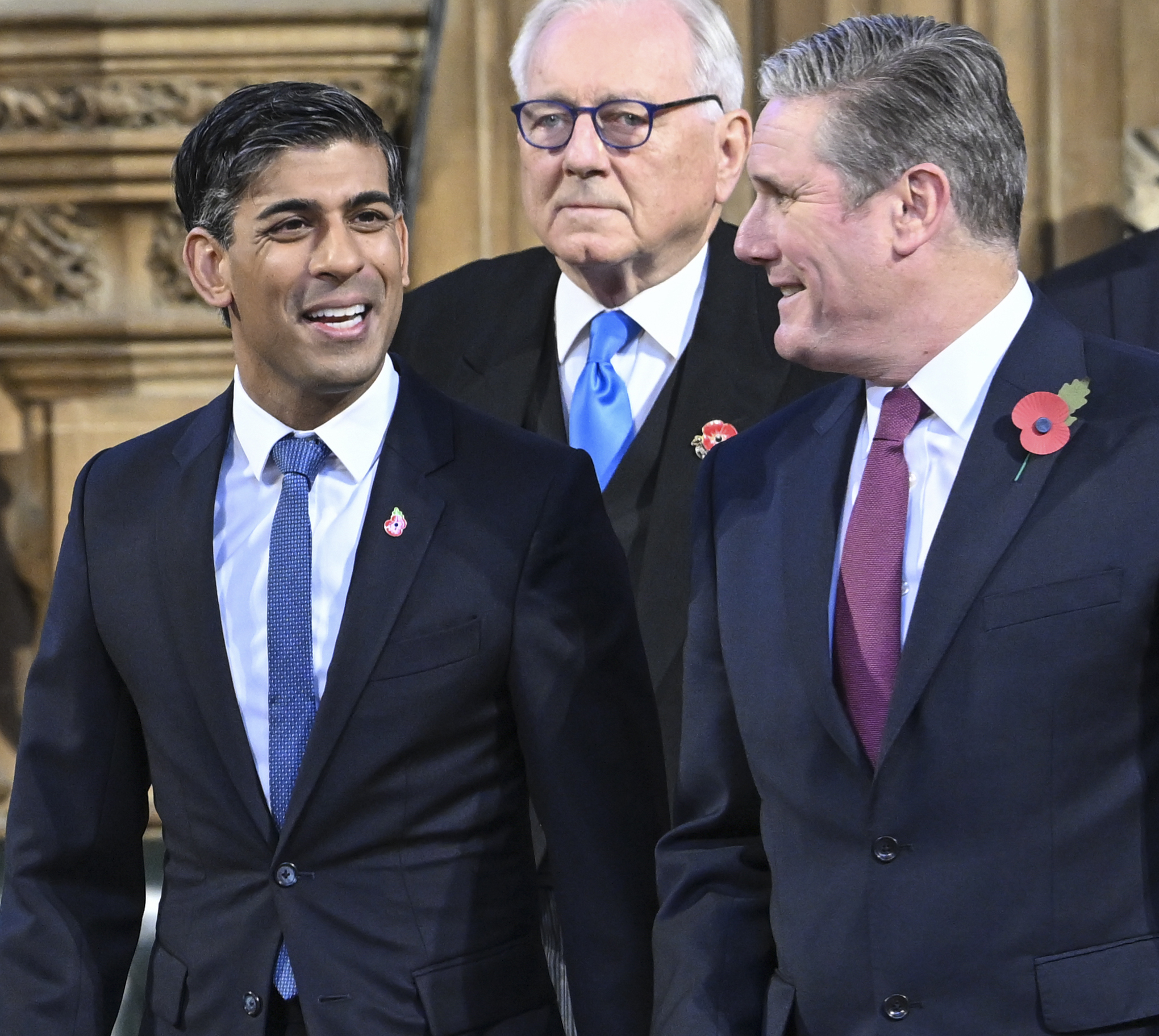
British Prime Minister Keir Starmer announced on June 22, 2026, that he will resign as prime minister and leader of the Labour Party.
The departure of the UK's top executive signals a period of renewed political instability for the government after Starmer spent just under two years in office [3].
Starmer said he is stepping down due to mounting pressure from within his governing Labour Party [2, 4]. The announcement marks a continuation of a volatile trend in British leadership. While reports vary on the exact count, he is described as either the sixth prime minister in seven years [2] or the seventh prime minister in 10 years [3].
Financial markets showed mixed reactions to the news. The resignation rattled sterling and government gilts, though the FTSE index largely shrugged off the turmoil [3]. Analysts said the move did not come as a shock to the investment community.
Monica Defend of Amundi, speaking to Bloomberg Television, said "this was largely expected". Defend said "the real story is one of fiscal discipline" [1].
Starmer's exit follows a pattern of short-tenured leadership in the United Kingdom. His term, lasting less than two years [3], adds to a sequence of rapid leadership changes that have characterized the last decade of British governance.
“"this was largely expected"”
The resignation of Keir Starmer underscores a persistent crisis of stability within the UK's executive branch. By becoming one of several prime ministers to exit office in a short window, Starmer's departure suggests that internal party pressures and fiscal challenges continue to outweigh the ability of the Labour Party to maintain a long-term leadership mandate.