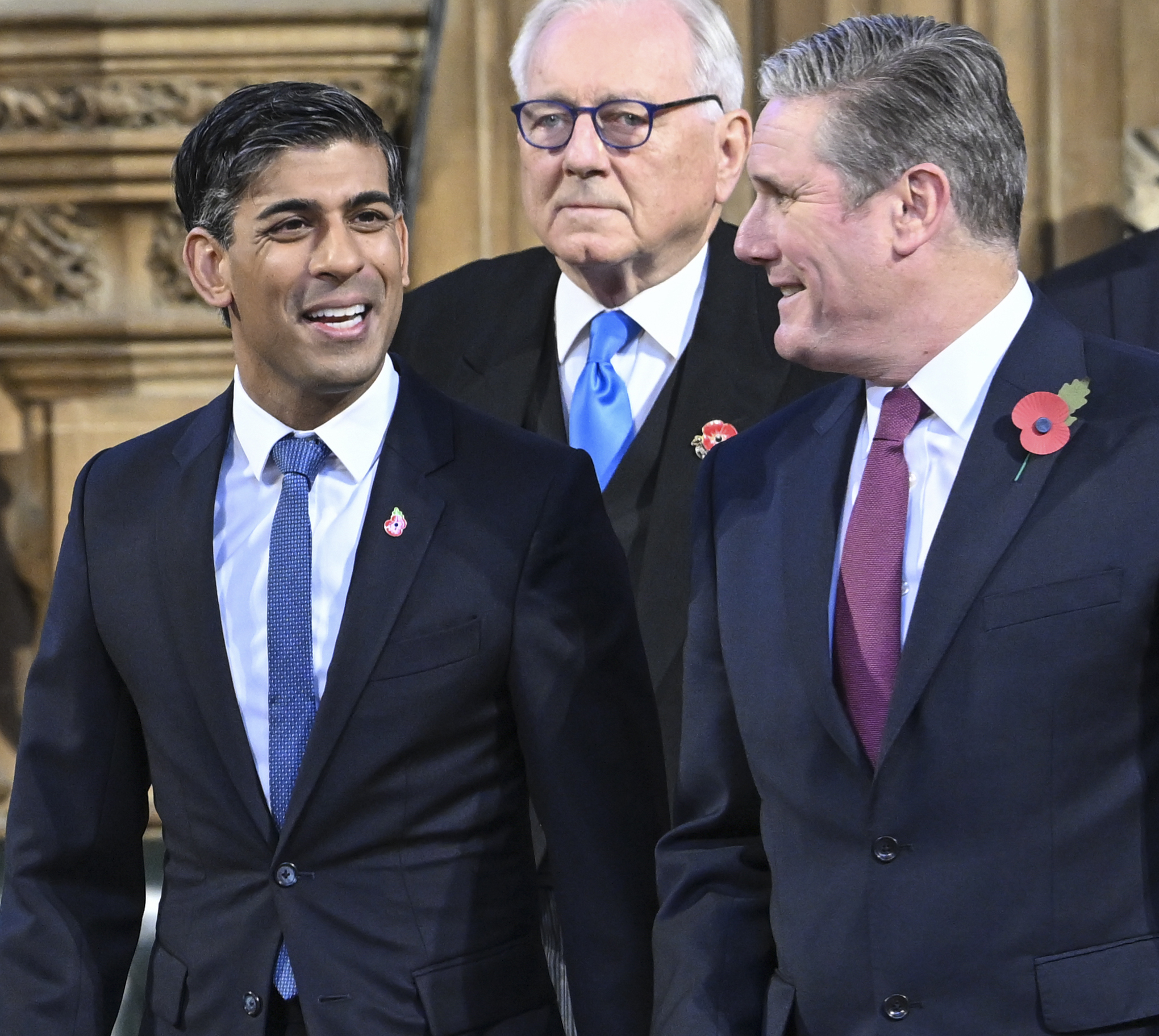
Prime Minister Keir Starmer announced his resignation as the leader of the governing Labour Party and the United Kingdom's prime minister on Monday [1].
The departure of the UK's top executive signals a period of significant political instability for the country. This transition occurs amidst internal party friction and marks the third time in four years that a sitting British prime minister has announced a resignation [3].
Starmer made the announcement outside 10 Downing Street in London [1, 2]. Crowds gathered at the scene as the prime minister said he was stepping down [1, 2]. The move follows sustained pressure from within the Labour Party for Starmer to vacate his position and establish a clear timetable for his departure [1, 4].
Regarding the transition of power, Starmer said he would leave office within weeks [1]. However, reports indicate a new Labour leader is expected to be in place by the time Parliament returns in September [5]. This discrepancy suggests a phased transition where Starmer may remain as a caretaker until a successor is formally chosen.
The resignation creates an immediate leadership vacuum within the governing party. The process to select a new leader will likely involve a series of internal votes, and debates among Labour members to determine who will lead the government into the next parliamentary session [5].
“Starmer announced his resignation as the leader of the governing Labour Party and the United Kingdom's prime minister”
The resignation of Keir Starmer underscores a volatility in British governance that has persisted over the last four years. By resigning under pressure from his own party, Starmer highlights a fragile coalition within the Labour leadership. The gap between his intended departure in a few weeks and the September return of Parliament suggests the party may struggle to find a consensus candidate quickly, potentially leaving the UK with a caretaker government during a critical legislative window.