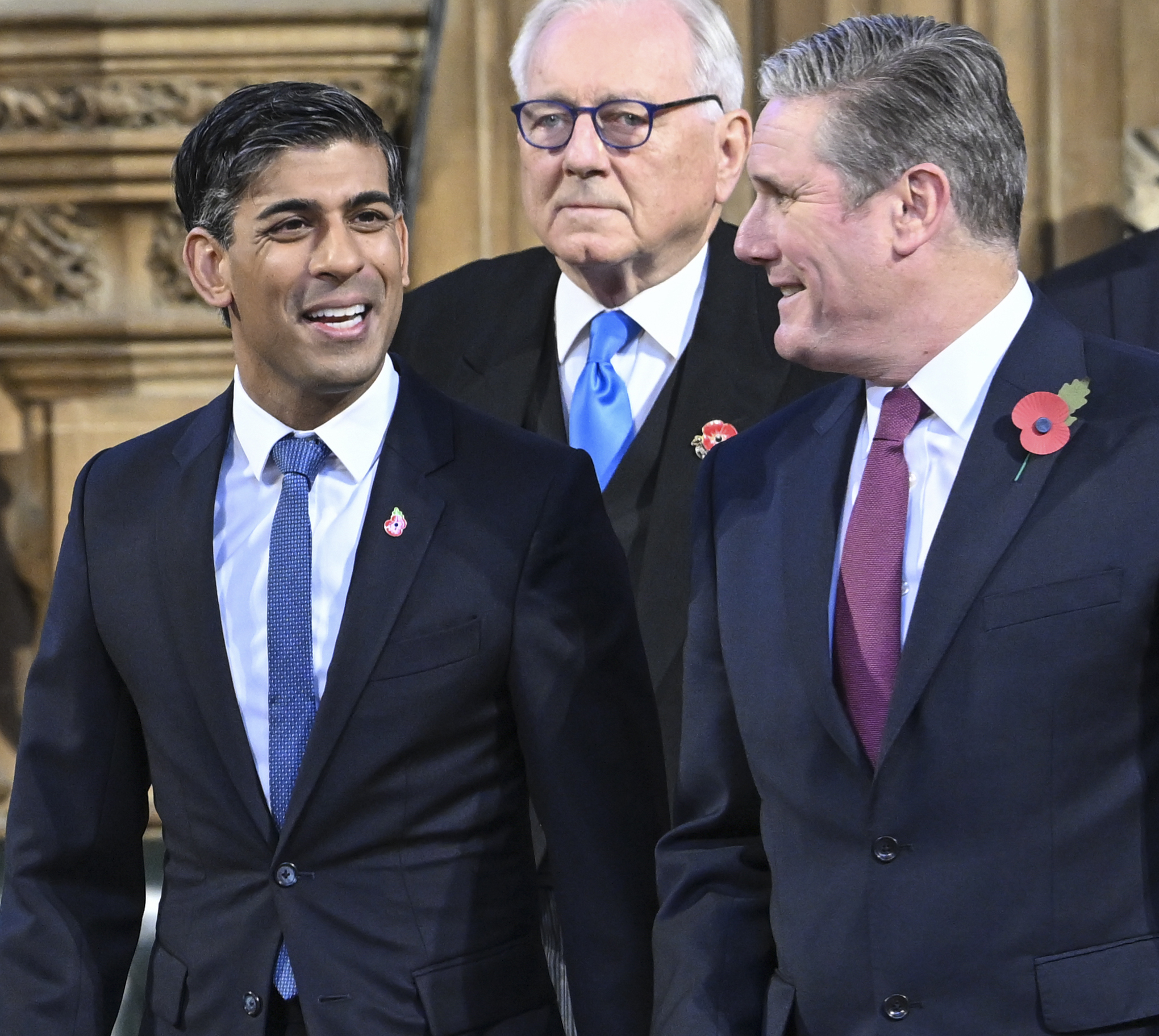
British Prime Minister Keir Starmer announced his resignation outside Downing Street on Monday, June 22, 2026.
The departure of the Labour Party leader marks a period of significant political instability for the United Kingdom, as the country faces another change in leadership shortly after a general election.
Starmer was swept to power in the 2024 general election [2]. His premiership began two years ago [1], but his tenure ended amid mounting pressure from within his own party. The resignation follows a rebellion from members of Parliament, and a formal leadership challenge from Andy Burnham.
Sources said the downfall was precipitated by months of falling poll numbers and a brutal round of local elections. This internal unrest created a climate where Starmer's position became untenable despite previous achievements.
Starmer is the sixth UK prime minister to leave office in the past 10 years [3]. This trend highlights a recurring pattern of leadership volatility in the British government over the last decade.
During his time in office, Starmer managed several high-profile international engagements. He secured a diplomatic victory in February 2025 [4]. Additionally, he oversaw the scheduling of U.S. President Trump’s second state visit to the UK, which was set for September 2025 [5].
Despite these diplomatic efforts, the domestic challenges within the Labour Party proved insurmountable. The combination of electoral losses, and a direct challenge to his authority from Burnham, forced the prime minister to step aside.
“Starmer is the sixth UK prime minister to leave office in the past 10 years”
The resignation of Keir Starmer underscores the fragility of leadership within the Labour Party when faced with declining public approval and internal dissent. By becoming the sixth prime minister in a decade to exit office, Starmer's departure reinforces a trend of short-term premierships that may complicate the UK's long-term policy stability and its diplomatic standing with allies like the U.S.

