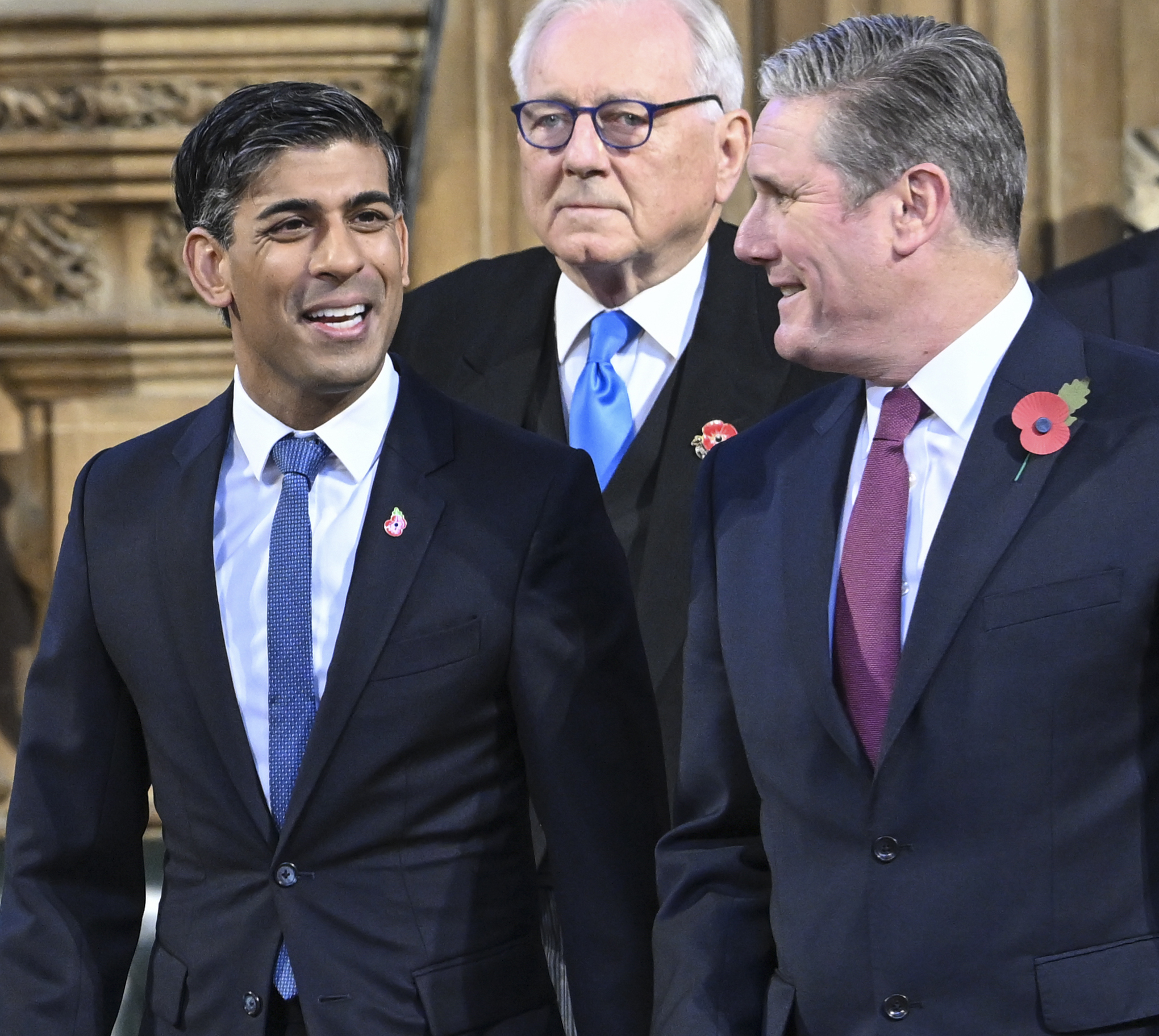
Sir Keir Starmer, Prime Minister of the United Kingdom and leader of the Labour Party, resigned from his positions on Monday [1].
The resignation marks a sudden leadership vacuum in Westminster. It concludes a tenure that began with a dominant electoral mandate but ended amid significant political volatility and internal dissent.
Starmer delivered his resignation speech in the House of Commons in London [2]. He said that being prime minister was the proudest moment of his life [3]. The departure comes after two years in office [4].
Starmer took office in July 2024 following a landslide general election victory [5]. In that election, the Labour Party secured 380 seats, representing a majority of 150 [5]. Despite this strong start, Starmer said he had to question whether he was best placed to lead the party into the next general election [3].
He attributed his decision to a sharp decline in government popularity and pressure from within his own party [6]. Starmer said that he has always put the country first, and now he must step aside for the good of the party [7].
The resignation follows a period of increasing doubt regarding his ability to maintain a stable coalition of support. By stepping down on June 22, 2026 [1], Starmer leaves the Labour Party to determine a new leader, and a strategy for the next electoral cycle [6].
“Being prime minister was the proudest moment of my life.”
Starmer's resignation illustrates the fragility of modern executive power in the UK, where a massive parliamentary majority does not guarantee political survival. His departure suggests that internal party unity and public approval ratings have become more decisive factors in leadership longevity than the size of an initial election victory.

