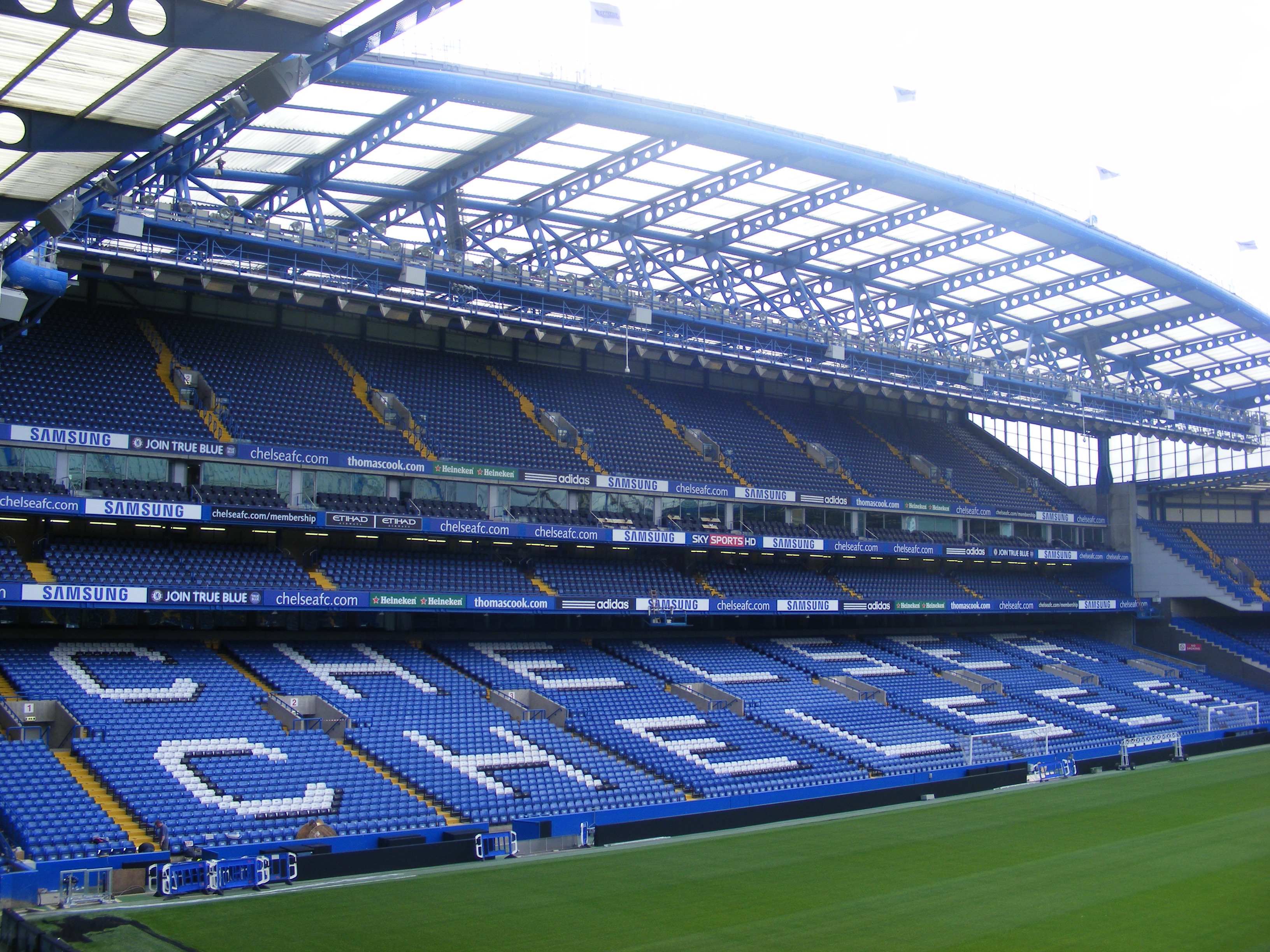
Ken Bates, the former chairman of Chelsea and Leeds United, died at the age of 94 [1].
Bates is remembered as a pivotal figure in English football ownership who saved one of London's most prominent clubs from financial collapse. His tenure bridged the gap between the traditional era of football management and the modern age of billionaire ownership.
Bates purchased Chelsea in 1982 for a price of £1 [1]. The move was intended to save the club from financial ruin during a period of instability. He remained in the position of chairman for 22 years [2], overseeing the club's operations, and growth through the 1980s and 1990s.
His leadership ended in 2003 when he sold the club to Roman Abramovich [2]. This transition marked the beginning of a new era of massive investment at Chelsea, which fundamentally changed the competitive landscape of the Premier League.
Beyond his time at Chelsea, Bates was also associated with Leeds United. His career was characterized by a willingness to engage in high-stakes financial maneuvers to maintain the viability of the sports organizations he led.
"It is with great sadness that we share the news of the loss of Ken Bates, former owner and chairman of Chelsea Football Club," a representative said [3].
Bates' legacy remains tied to the survival of Chelsea during the early 1980s. By acquiring the club for a nominal fee, he ensured the institution continued to operate during a time when many other sporting entities faced insolvency. His 22-year tenure [2] provided a stable foundation that allowed the club to eventually attract the global investment seen in the 21st century.
“Ken Bates bought Chelsea for a single pound in 1982”
The death of Ken Bates marks the end of an era for the 'traditional' chairman in English football. His acquisition of Chelsea for a nominal sum highlights the financial volatility of clubs before the era of sovereign wealth funds and global conglomerates. Bates' transition of power to Roman Abramovich served as a catalyst for the hyper-commercialization of the Premier League, shifting the model of success from sustainable management to aggressive capital injection.