
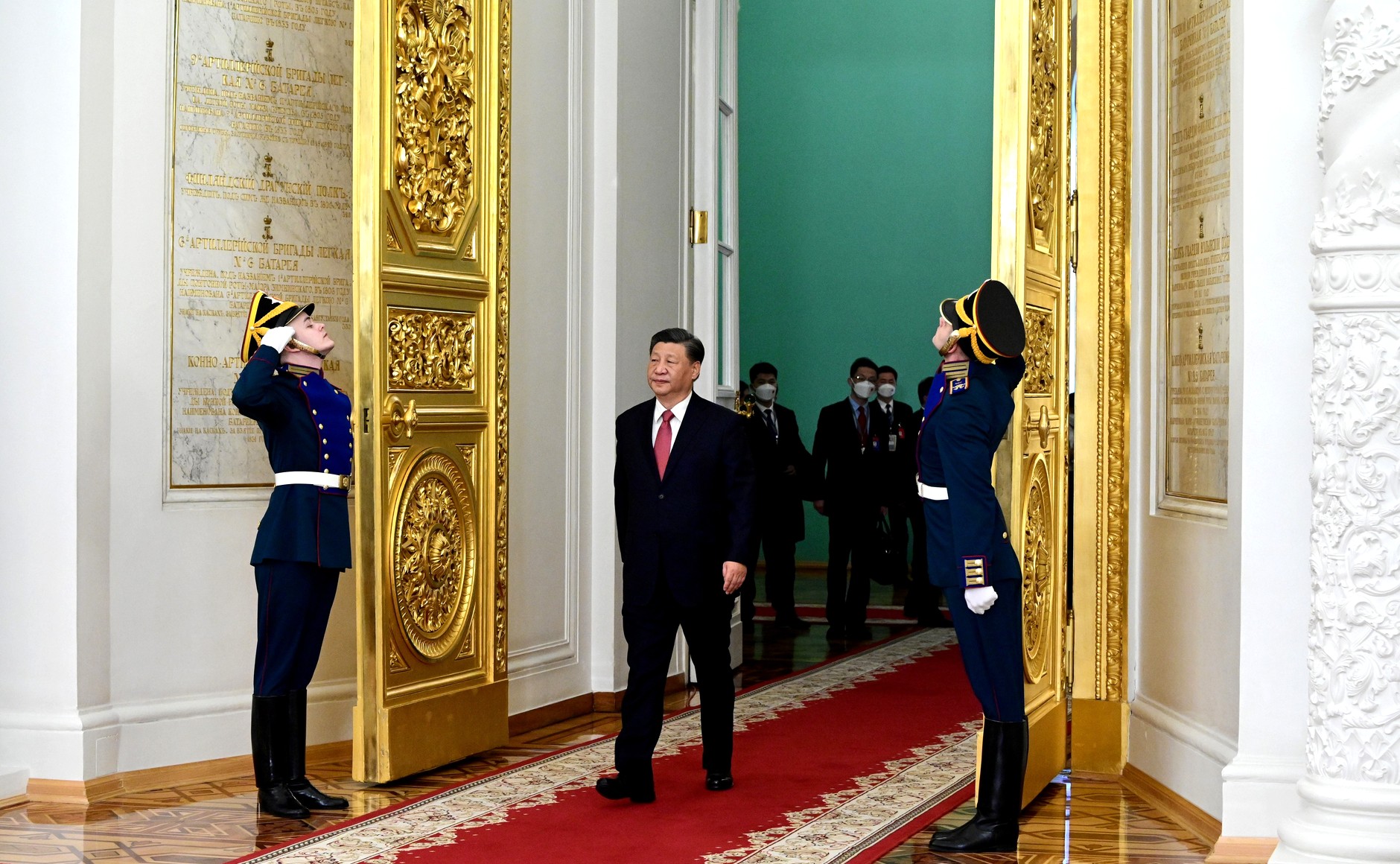
Sen. John Kennedy (R-LA) said that Chinese President Xi Jinping, Russian President Vladimir Putin, and Iran Supreme Leader Ayatollah Ali Khamenei are forming a strategic global bloc [1, 2].
This alignment represents a coordinated effort to challenge U.S. hegemony by expanding authoritarian influence across three critical geopolitical theaters. If successful, this partnership could reshape security architectures and trade routes in the Eastern hemisphere.
Kennedy said the alliance is focused on expanding its reach across Eastern Europe, the Middle East, and the Indo-Pacific region [1, 2]. He said the partnership is a calculated move to project power and undermine the current international order. The senator specifically highlighted the roles of the three leaders in coordinating these efforts to ensure their shared ambitions are met.
Regarding the internal dynamics of the group, Kennedy identified a clear hierarchy in the partnership. "Xi is the managing partner of the alliance," Kennedy said [1].
The senator said that the U.S. is in trouble if it fails to address the cohesion of this emerging bloc. He said that the shared goals of the three nations create a formidable front that complicates U.S. diplomatic and military strategies in the Indo-Pacific and Europe [1, 2].
This strategic partnership involves the coordination of resources and political will to push back against Western influence. By aligning their interests, the leaders of China, Russia, and Iran can support one another's regional goals, creating a multifaceted challenge for U.S. policymakers across several continents [1, 2].
“Xi is the managing partner of the alliance.”
The warning reflects a growing concern in U.S. foreign policy regarding 'axis of convergence' dynamics. By linking the security concerns of the Indo-Pacific with those of Eastern Europe and the Middle East, the U.S. may find its resources stretched thin, forcing a shift from regional containment to a more comprehensive global strategy against a unified bloc of adversaries.


