
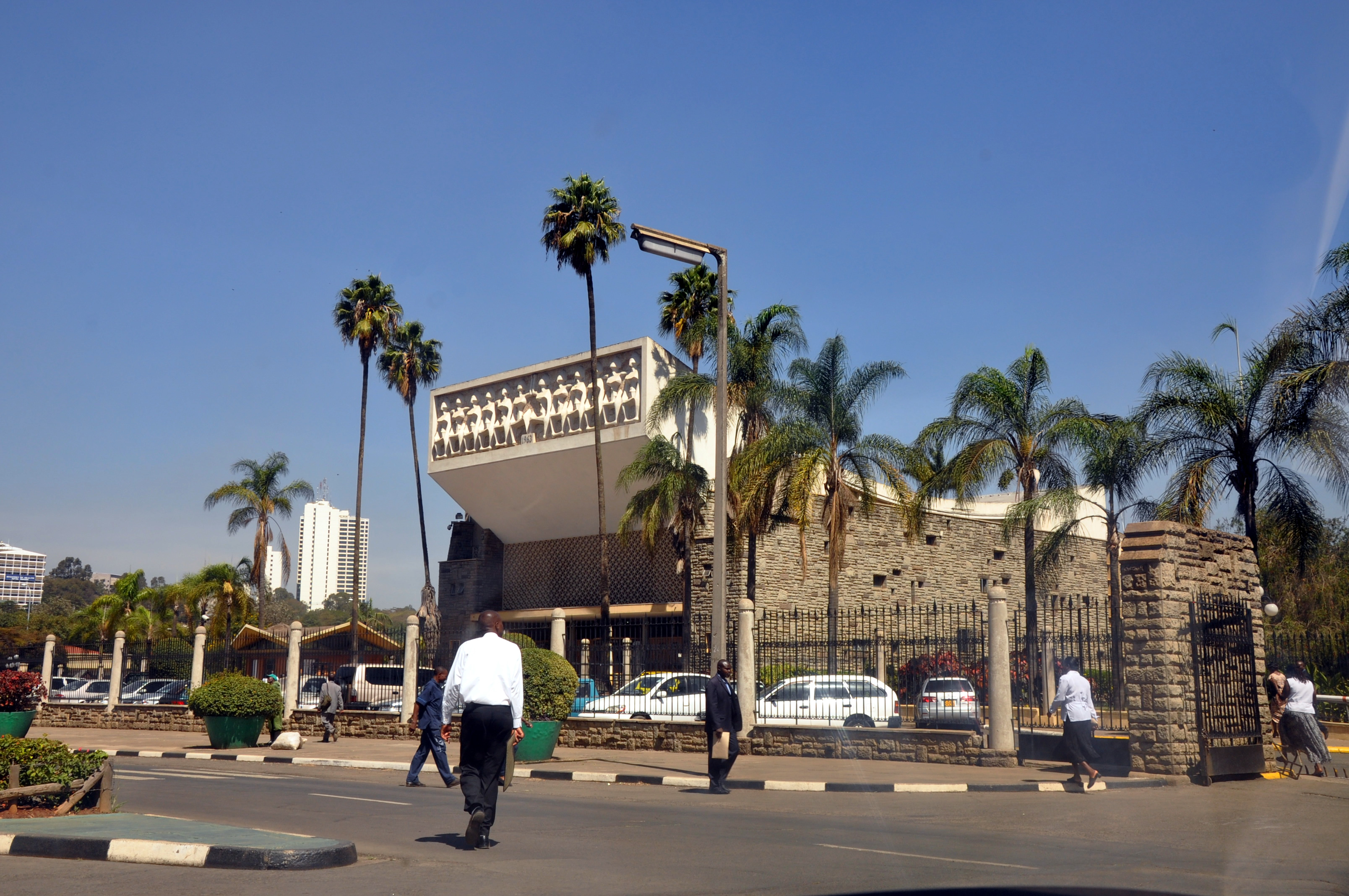
Kenya's High Court ordered the Kenyan Parliament to disclose detailed budget information for the 23rd National Prayer Breakfast within 30 days [1, 2].
The ruling reinforces the legal requirement for public access to information regarding state expenditure. By forcing the disclosure of these specific costs, the court is addressing concerns over how public funds are utilized for high-profile state events.
The court's decision comes after a push for greater transparency in Nairobi [1, 2]. The 23rd edition of the National Prayer Breakfast [1] has become a focal point for those seeking accountability in government spending. This event follows the 22nd National Prayer Breakfast, which took place on May 28, 2025 [3].
Under the court's mandate, Parliament must provide a comprehensive breakdown of the costs associated with the event [1, 2, 3]. The 30-day deadline [1] creates a strict window for the legislative body to organize and publish the financial records. The court said that transparency is essential for the public to understand the scale of state spending on such gatherings [1, 2].
The National Prayer Breakfast is an annual event that brings together religious and political leaders. However, the lack of public financial records has led to legal challenges regarding the event's funding. The High Court's intervention ensures that the financial details of the 23rd event are not kept confidential, a move that aligns with broader efforts to curb opaque government spending in Kenya [1, 2].
Parliament has not yet released the detailed figures, but the court order leaves little room for further delay [1, 2]. The outcome of this disclosure may set a precedent for how other state-sponsored events are audited and reported to the citizenry in the future [1].
“Kenya's High Court ordered the Kenyan Parliament to disclose detailed budget information”
This ruling signals a judicial push toward fiscal transparency in Kenya, asserting that state-sponsored events—even those with religious or ceremonial purposes—are subject to public audit. By setting a firm 30-day deadline, the court is limiting the ability of the legislature to shield spending from public scrutiny, potentially opening the door for similar challenges against other opaque government expenditures.


