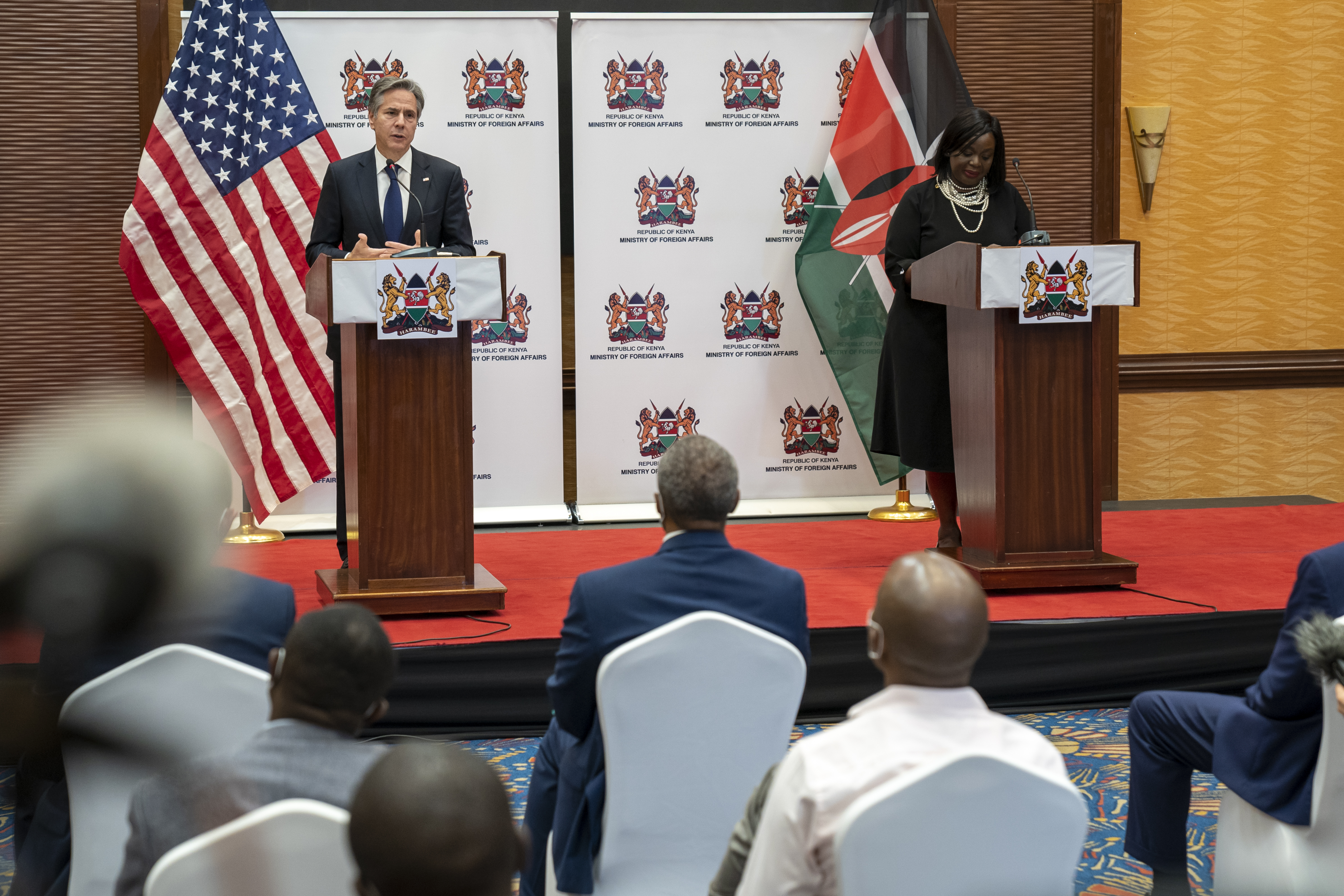
A Kenyan high court suspended a U.S. plan to establish a quarantine facility for Americans exposed to a rare Ebola strain on Friday [1, 2].
The ruling halts the creation of a specialized medical site in a country with no known Ebola cases, raising questions about the necessity and safety of introducing the virus into the region.
The planned isolation unit was designed to hold 50 beds [3] and would have been located at a Kenyan military air base in Nairobi [1, 2]. The facility was intended to house U.S. officials and American citizens who had been exposed to the virus.
The court's decision on May 29, 2026 [2], followed significant backlash from medical workers and public health experts. Critics said the plan was unnecessary and posed a risk to the local population [2].
While some reports indicate the Kenyan government may attempt to push ahead with the project despite the legal barrier, the court order currently stands as a temporary bar to the facility's opening [2].
The suspension highlights a conflict between U.S. strategic health requirements for its personnel and the sovereign health security concerns of the host nation. Medical professionals in Kenya said that the presence of a high-risk quarantine zone in Nairobi could jeopardize national health safety, especially given the absence of indigenous Ebola cases [1, 2].
“A Kenyan high court suspended a U.S. plan to establish a quarantine facility for Americans.”
This legal intervention underscores the tension between U.S. extraterritorial health infrastructure and local public health sovereignty. By blocking the facility, the Kenyan court has prioritized the prevention of a potential viral introduction over a diplomatic or military agreement with the U.S., signaling that regional health risks may outweigh strategic partnerships in the eyes of the judiciary.