
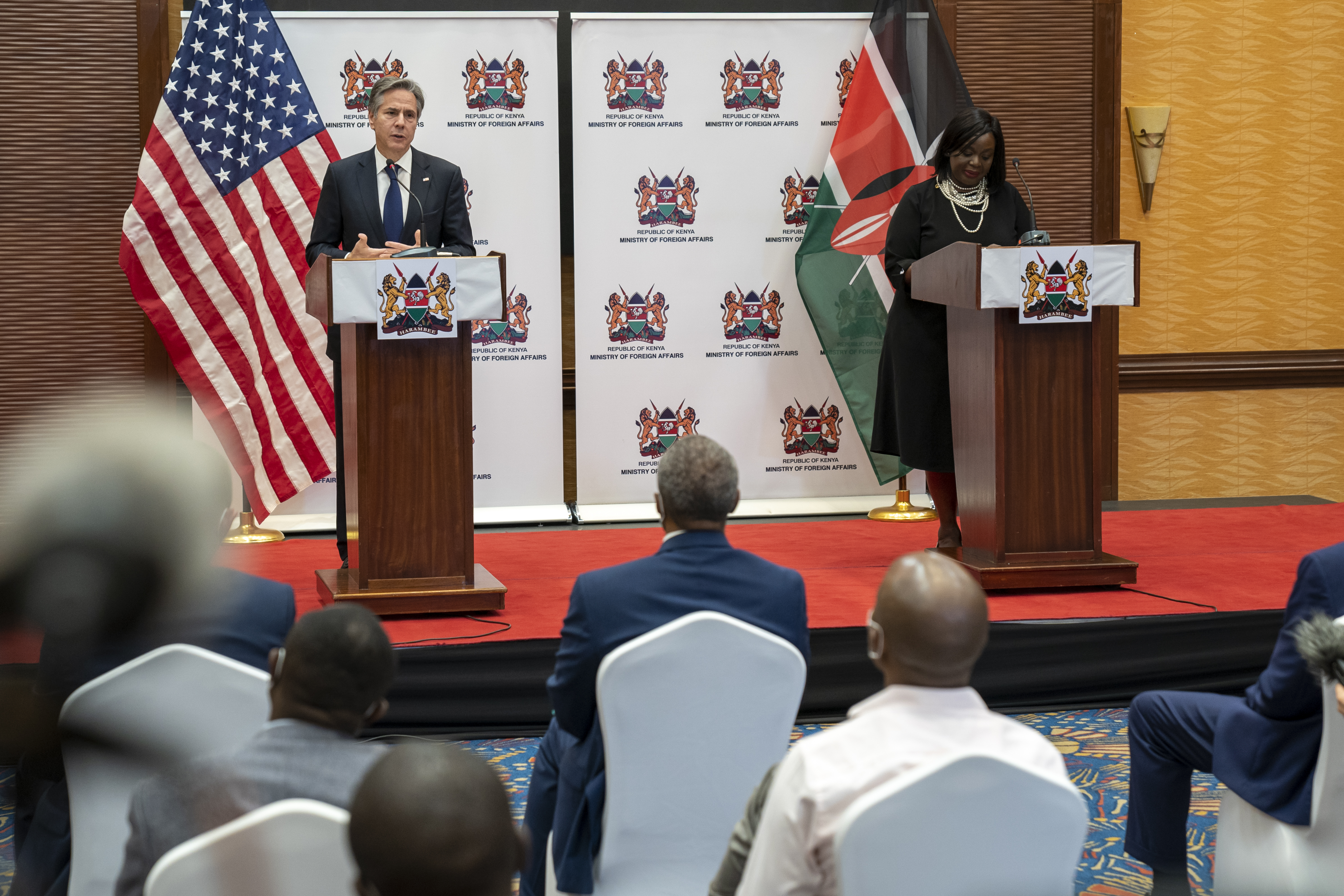
A Kenyan high court ordered the government to disclose the details of an agreement with the United States to establish an Ebola quarantine facility [1].
The ruling follows growing domestic tension over the project's transparency and purpose. Because the facility is intended to house Americans exposed to the virus, the deal has sparked public protests and legal challenges regarding national sovereignty, and public health priorities [1, 4].
The proposed biocontainment center would serve as a secure location for U.S. citizens potentially exposed to the Ebola virus [1, 3]. This initiative comes as the World Health Organization has declared a global emergency due to an Ebola outbreak in the northeastern Democratic Republic of Congo [1, 3].
While the U.S. and Kenya have signed an agreement to set up the center [3], the project has faced significant legal hurdles. A Kenyan court previously suspended the plan to establish the facility [1]. The current court order mandates that the administration of President William Ruto provide the specific terms of the bilateral deal to the public [2, 4].
Authorities in Kenya have faced pressure to explain why the facility is necessary and how it will be managed. The legal battle centers on whether the government bypassed standard oversight procedures in securing the deal with the U.S. government [1, 4].
“A Kenyan high court ordered the government to disclose the details of an agreement with the United States”
This legal mandate reflects a clash between geopolitical cooperation and domestic transparency. While the U.S. seeks secure medical infrastructure to manage health crises abroad, the Kenyan judiciary is asserting that bilateral agreements affecting public land and health must be subject to public scrutiny and legal oversight.


