
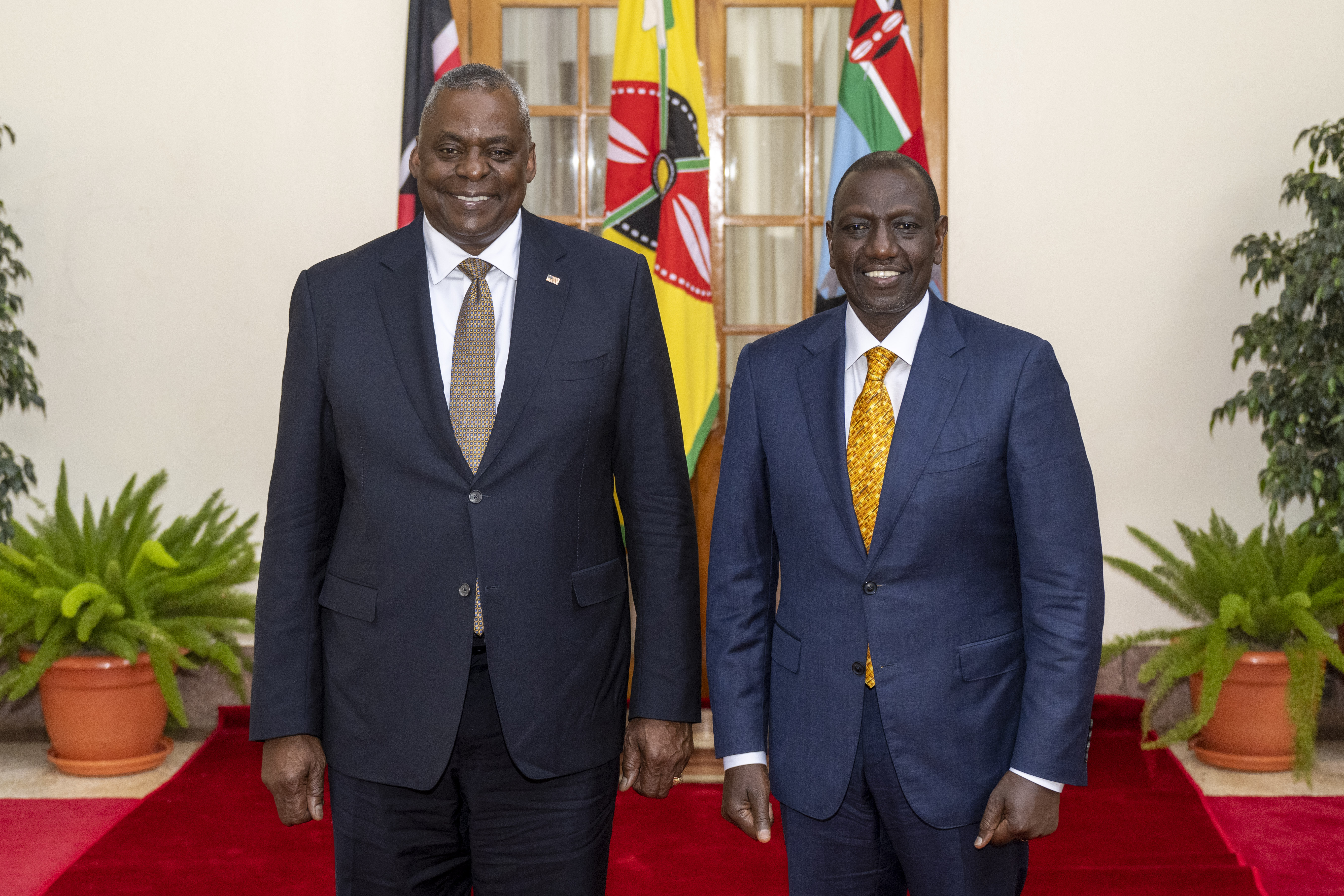
President William Ruto defended Kenya's plan to host a U.S.-backed Ebola quarantine and laboratory facility on Monday, June 1, 2024 [1].
The facility represents a critical point of tension between Kenya's strategic health cooperation with the United States and domestic concerns over sovereignty and public safety. The project aims to isolate individuals potentially exposed to Ebola as part of a wider preparedness strategy [2].
The proposed center is located at Laikipia Air Base, also known as Nanyuki Air Base, in central Kenya [1]. Ruto said the facility is necessary for long-standing health cooperation with the U.S. to manage potential outbreaks [2].
Despite the administration's support, the project sparked significant backlash. Hundreds of people protested the plan [3]. While some reports indicate Ruto defended the establishment of the facility, other reports suggest he remained silent on the deal [4].
The timeline for the project faced immediate legal hurdles. Some reports indicated the facility was intended to launch during the first week of June 2024 [5]. However, a Kenyan court suspended the U.S. plan on Friday, June 7, 2024 [6].
The facility would have functioned as a specialized laboratory and quarantine zone. By utilizing a military installation like Laikipia Air Base, the government sought to ensure a secure environment for handling high-risk pathogens [1].
“President William Ruto defended Kenya's plan to host a U.S.-backed Ebola quarantine and laboratory facility.”
The suspension of the Ebola facility by the Kenyan court highlights the friction between executive-led international security partnerships and judicial oversight. While the Ruto administration views the U.S. partnership as a necessary step for regional health security, the public outcry and legal intervention suggest a lack of transparency or trust regarding the facility's specific operations at a military base.


