
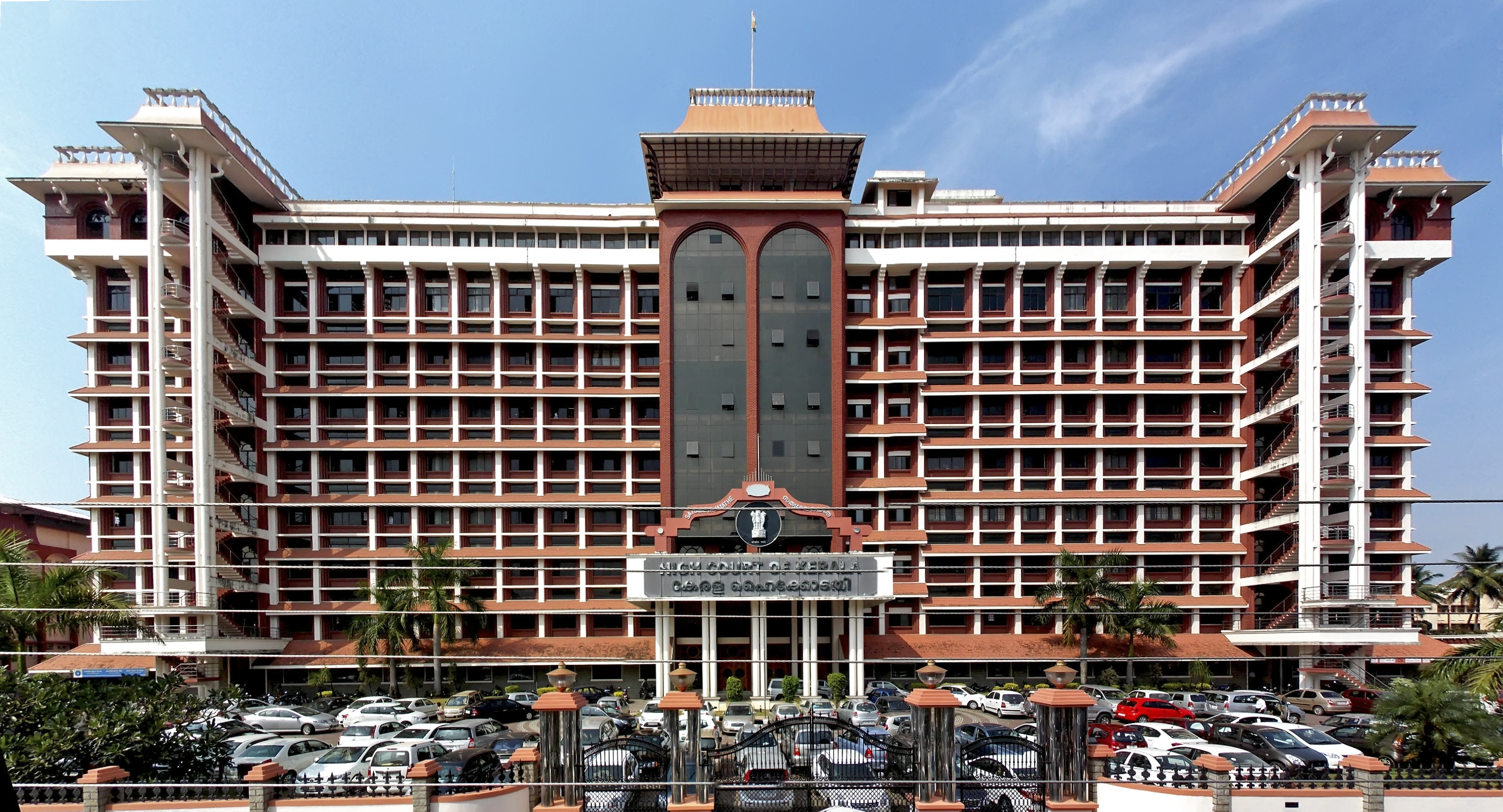
The Kerala government has filed a challenge in the High Court against the eviction of seven families [1] from Malayidamthuruth.
This legal move represents a significant intervention by the state to protect residents facing displacement from the island. The outcome of the case will likely determine the residency rights of these families and the government's role in mediating land disputes within the region.
The challenge comes as the state seeks to address the legal standing of the seven families [1] currently residing in the area. By bringing the matter before the High Court, the government is requesting a judicial review of the eviction orders to ensure the rights of the inhabitants are considered.
Legal representatives for the state have not yet detailed the specific grounds for the challenge, but the move signals a shift toward protecting the residents from immediate removal. The High Court will now examine the validity of the eviction process and whether the families have a legal claim to remain on the land.
The situation at Malayidamthuruth has drawn attention to the complexities of land tenure, and the social impact of forced displacement. The government's decision to challenge the eviction in court suggests a priority on stability for the affected households over the immediate enforcement of the eviction orders.
“The Kerala government has filed a challenge in the High Court against the eviction of seven families from Malayidamthuruth.”
This legal action indicates a willingness by the Kerala government to act as a buffer between displaced citizens and the judicial or administrative orders seeking their removal. By challenging the eviction, the state is essentially questioning the legality or the morality of the displacement, which could set a precedent for how similar land disputes are handled across the region.

'%2F%3E%0A%20%20%20%20%3Crect%20width%3D'1600'%20height%3D'900'%20fill%3D'url(%23v)'%2F%3E%0A%20%20%20%20%3Cg%20opacity%3D'0.08'%20fill%3D'%23ffffff'%3E%0A%20%20%20%20%20%20%3Ccircle%20cx%3D'1420'%20cy%3D'180'%20r%3D'220'%2F%3E%0A%20%20%20%20%20%20%3Ccircle%20cx%3D'1500'%20cy%3D'760'%20r%3D'120'%2F%3E%0A%20%20%20%20%3C%2Fg%3E%0A%20%20%20%20%3Cline%20x1%3D'80'%20y1%3D'172'%20x2%3D'220'%20y2%3D'172'%20stroke%3D'%23ffffff'%20stroke-width%3D'3'%20stroke-opacity%3D'0.6'%2F%3E%0A%20%20%20%20%3Ctext%20x%3D'80'%20y%3D'140'%20font-family%3D'Inter%2C%20-apple-system%2C%20Helvetica%2C%20sans-serif'%20font-weight%3D'700'%20font-size%3D'28'%20fill%3D'%23ffffff'%20letter-spacing%3D'6'%3EHANNA%20%C2%B7%20NEWS%3C%2Ftext%3E%0A%20%20%20%20%3Ctext%20x%3D'80'%20y%3D'230'%20font-family%3D'Inter%2C%20-apple-system%2C%20Helvetica%2C%20sans-serif'%20font-weight%3D'600'%20font-size%3D'40'%20fill%3D'%23ffffffb3'%20letter-spacing%3D'4'%3EWORLD%3C%2Ftext%3E%0A%20%20%20%20%3Ctext%20x%3D'80'%20y%3D'694'%20font-family%3D'Playfair%20Display%2C%20Georgia%2C%20serif'%20font-weight%3D'800'%20font-size%3D'110'%20fill%3D'%23ffffff'%20letter-spacing%3D'-1'%3EGiorgia%20Andriani%20celebrates%3C%2Ftext%3E%3Ctext%20x%3D'80'%20y%3D'820'%20font-family%3D'Playfair%20Display%2C%20Georgia%2C%20serif'%20font-weight%3D'800'%20font-size%3D'110'%20fill%3D'%23ffffff'%20letter-spacing%3D'-1'%3E36th%20birthday%20in%20New%20Delhi%3C%2Ftext%3E%0A%20%20%20%20%3Ctext%20x%3D'80'%20y%3D'870'%20font-family%3D'Inter%2C%20-apple-system%2C%20Helvetica%2C%20sans-serif'%20font-weight%3D'500'%20font-size%3D'22'%20fill%3D'%23ffffff66'%20letter-spacing%3D'2'%3Enews.hanna-ai.com%3C%2Ftext%3E%0A%20%20%3C%2Fsvg%3E)

