
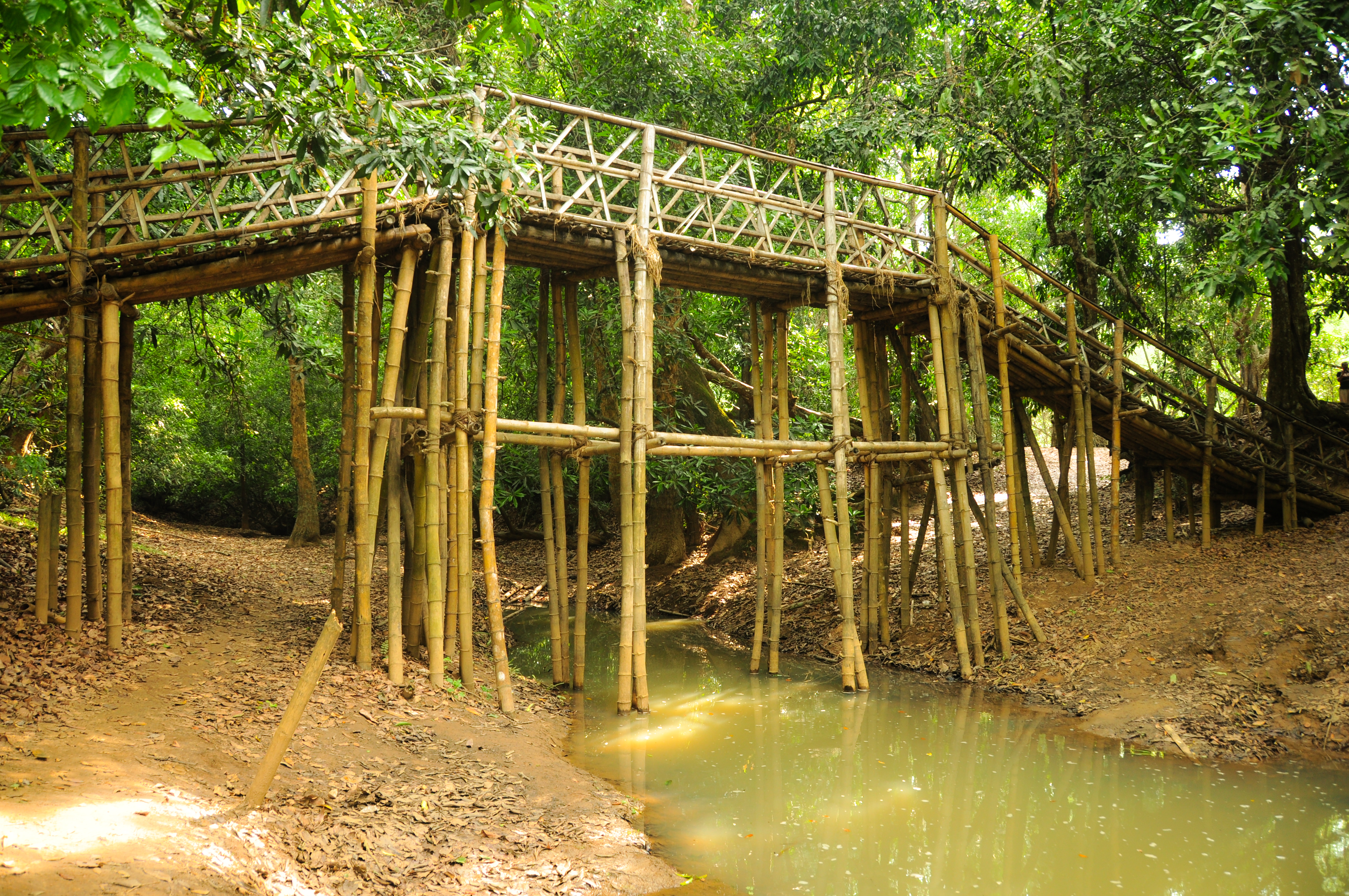
Residents of Kallarkutty village in Kerala, India, continue to rely on a makeshift bamboo bridge for their daily travel [1].
The continued use of this temporary structure highlights a critical gap in infrastructure recovery and poses ongoing safety risks for the local community.
The current bridge was constructed as a temporary solution following the floods of 2018 [1]. During those events, the original concrete bridge that served the area was washed away, leaving the residents without a permanent crossing [1].
Despite the passage of several years, the bamboo structure remains the only viable route for the people of Kallarkutty [1]. The bridge serves as the primary access point for residents to navigate their surroundings, a necessity for daily life and commerce in the region.
Local residents must traverse the fragile crossing despite the inherent dangers associated with makeshift infrastructure [1]. The lack of a permanent replacement has left the community vulnerable to further environmental disruptions and potential accidents.
Officials have not provided a timeline for a permanent concrete replacement in the available reports. The situation in Kallarkutty underscores the lasting impact of the 2018 floods [1], which caused widespread destruction across the state of Kerala.
“Kallarkutty residents still depend on a bamboo bridge built after the 2018 floods”
The persistence of a makeshift bamboo bridge years after a natural disaster indicates a failure in long-term reconstruction efforts. It reflects a disparity in infrastructure investment where rural localities may remain in a state of temporary recovery long after the initial crisis has passed, leaving populations dependent on high-risk transit options.


