Kevin O'Leary said that misinformation and lies are being spread regarding his proposed AI data center project in rural western Utah [1].
The project represents a significant tension between the rapid expansion of artificial intelligence infrastructure and the preservation of fragile ecosystems in the U.S. West. As AI companies seek massive amounts of power and water, local communities are increasingly questioning the long-term environmental costs of these developments.
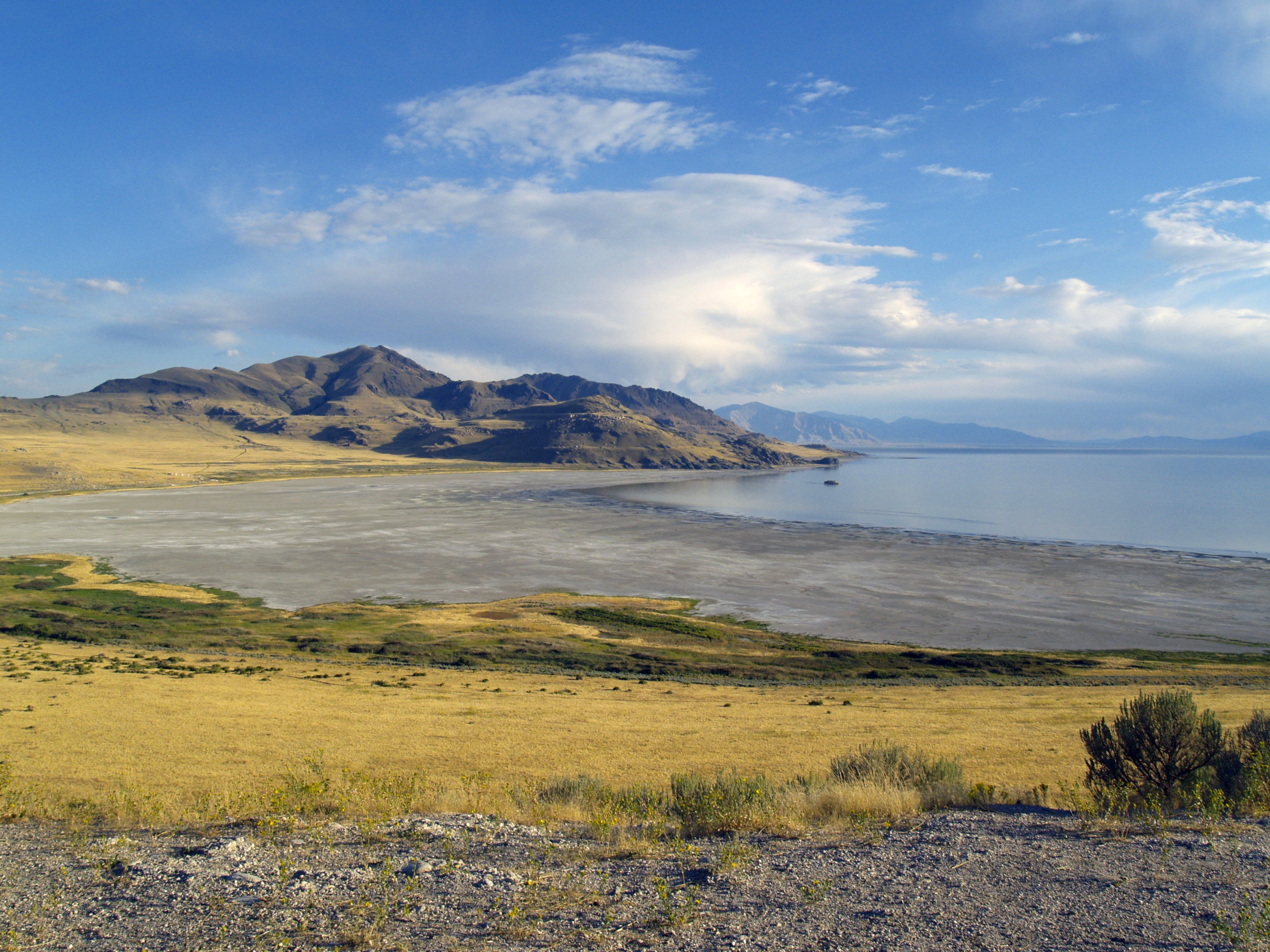
O'Leary addressed the controversy in an interview with NBC News, saying that the development will not impact the Great Salt Lake [1]. He said the project is designed to bring economic growth and jobs to the region [1]. According to some reports, the project is expected to create around 1,000 permanent jobs [4].
However, the scale of the project has drawn sharp criticism from analysts and local residents. Gadget Review reported that the data center could use twice the power of the entire state of Utah [3]. This claim is contested by other reporting, such as from The Verge, which noted the project's large scale but did not quantify the power usage as double the state's total consumption [5].
Local opposition has been vocal, with some residents chanting "people before profits" to delay votes on the project [4]. O'Leary dismissed these concerns as being based on false claims [1]. He said, "There is a lot of misinformation and lies being spread about this project" [1].
Despite the pushback, O'Leary maintained that the development is a necessary step for technological progress. He said, "We will not touch the Great Salt Lake" [2]. The project continues to face scrutiny over its potential resource consumption in a region already struggling with water scarcity, and power grid stability.
“"There is a lot of misinformation and lies being spread about this project."”
This conflict highlights the growing friction between the 'AI gold rush' and regional sustainability. While investors like O'Leary emphasize job creation and economic modernization, the sheer scale of energy requirements for large-scale AI clusters can dwarf the existing infrastructure of an entire state, turning local zoning and environmental disputes into national case studies on the cost of intelligence.