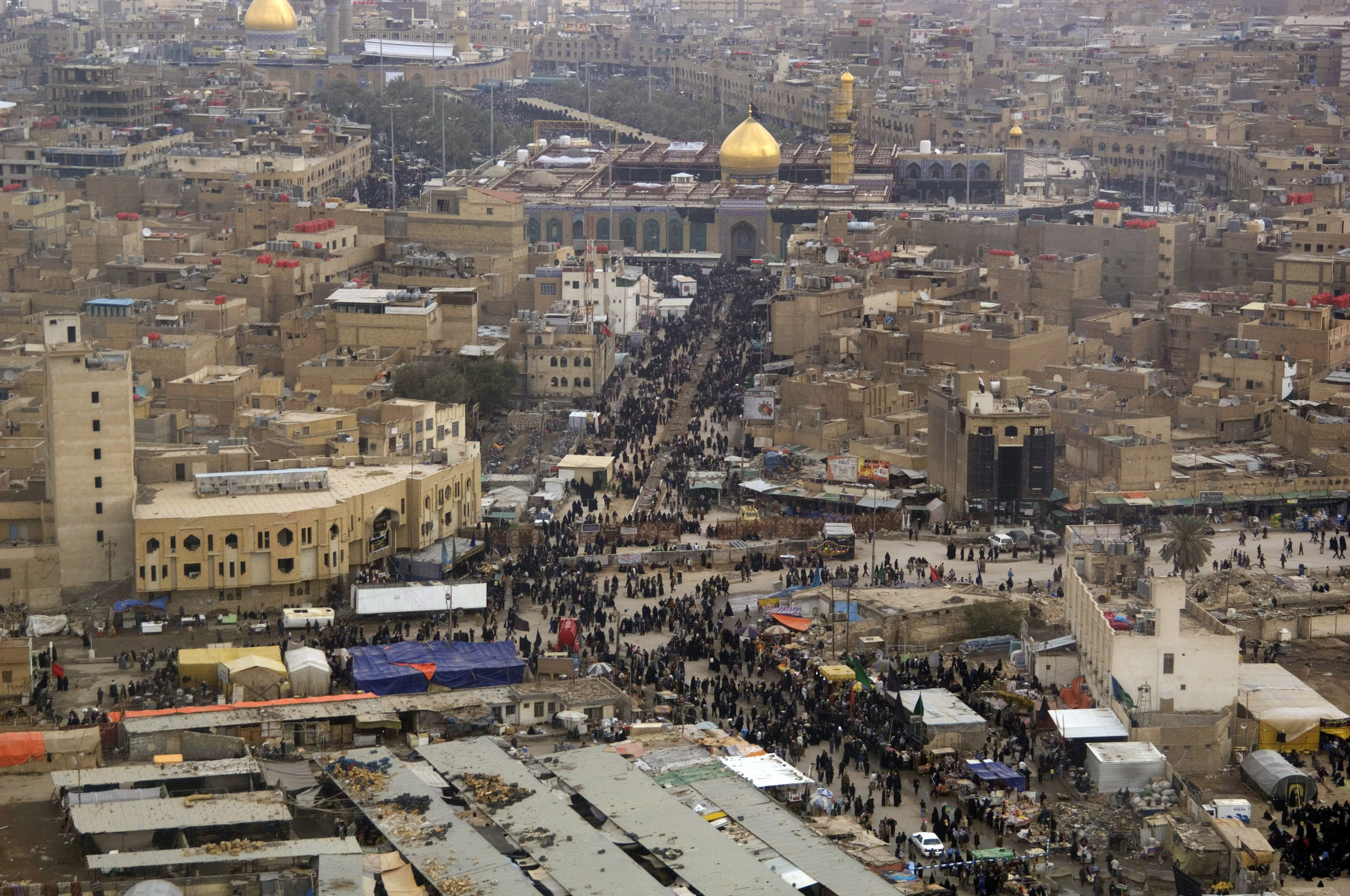
Funeral processions for Iran's late Supreme Leader Ayatollah Ali Khamenei began Wednesday in the Iraqi city of Najaf [1].
The ceremonies mark the final farewell for a leader whose death followed a period of intense regional escalation. The scale of the mourning gatherings reflects the deep religious and political influence Khamenei wielded across the Shia crescent.
Massive crowds of mourners have marched through Iran and now Iraq, following the coffin of the slain leader [2]. The events are centered in Tehran and the Iraqi holy cities of Najaf and Karbala [2]. The funeral ceremony is scheduled to last six days [3].
Khamenei died in late February 2026 [4]. His death occurred during wide-scale U.S. and Israeli strikes on Iran [4].
Attendance figures for the gatherings in Iraq vary by report. Some sources said the crowds were massive, with estimates in the hundreds of thousands [2]. Other reports said that millions gathered for the funeral [5].
Representatives from various regional factions have participated in the prayers and processions. The movement of the coffin into the holy cities of Iraq has drawn international attention as the region observes the end of the Supreme Leader's tenure.
“Khamenei was killed in late February in wide‑scale U.S. and Israeli strikes on Iran.”
The decision to hold extensive funeral rites in both Iran and Iraq underscores the transnational nature of Khamenei's authority. By centering the mourning process in holy cities like Najaf and Karbala, the Iranian leadership is reinforcing the ideological and religious bonds between Tehran and Iraqi Shia shrines, signaling a desire for continued regional solidarity following the leader's death in military strikes.