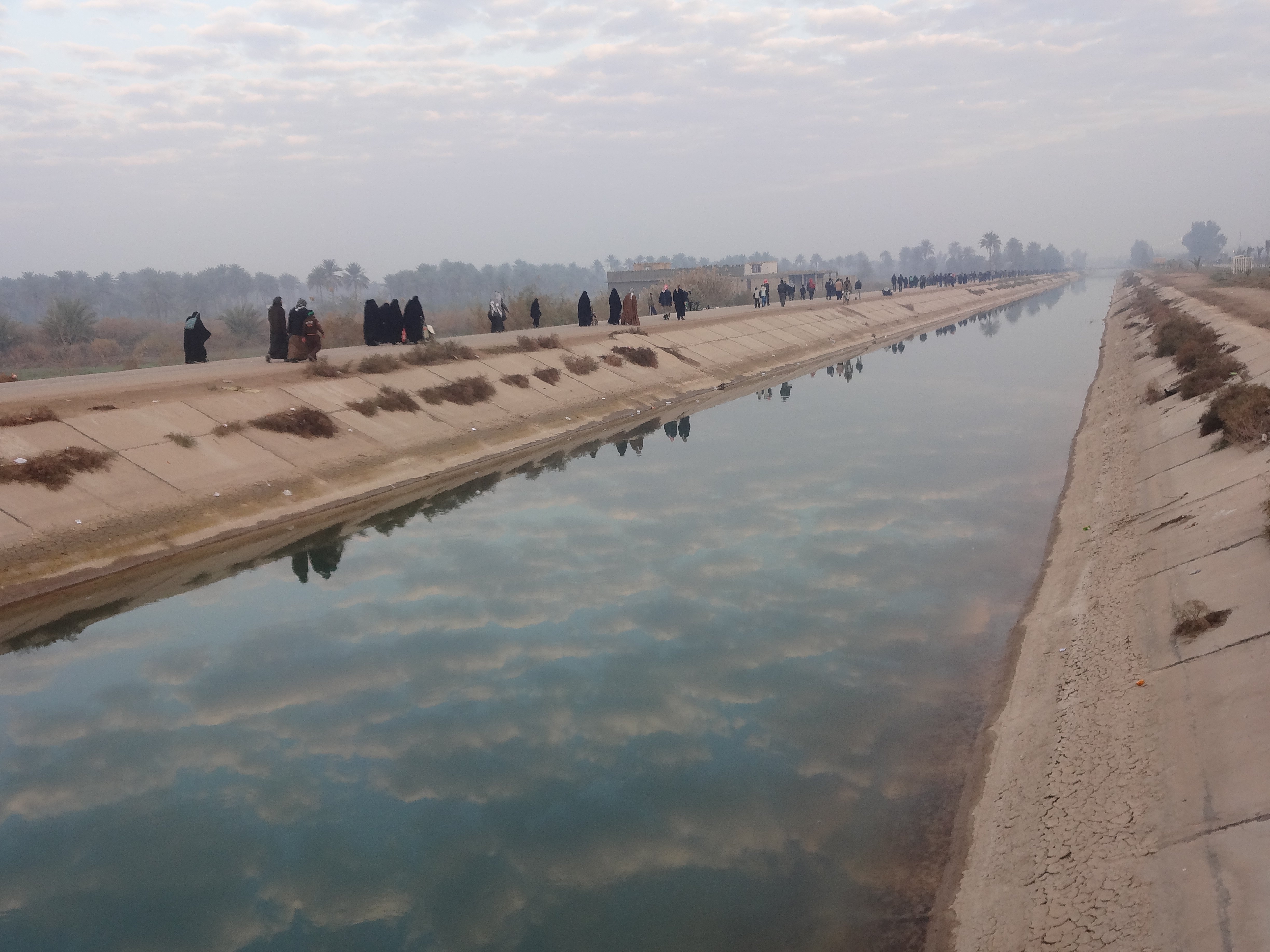
Thousands of mourners [1] marched through the holy city of Najaf, Iraq, on Wednesday, July 8, 2026, carrying the coffin of Ayatollah Ali Khamenei [2].
The procession marks a significant moment in the regional mourning period for the late Iranian supreme leader. Because Najaf is one of the most sacred cities in the Shia faith, the presence of the coffin here underscores the transnational religious and political influence Khamenei held during his life.
The event is part of a larger, six-day funeral procession [3] organized for the leader. In Najaf, the crowds lined the streets to witness the coffin being carried through the city, reflecting the deep ties between the Iranian clerical establishment and the religious centers of Iraq.
Observers said the scale of the gathering was large as thousands [1] joined the march. The procession in Iraq serves as a key stage in the final rites for the supreme leader, bridging the geography between Tehran and the holy sites of the region.
Local reports from the holy city described a scene of widespread grief and organized movement. The procession continued according to the scheduled six-day [3] timeline, ensuring that followers across different borders could participate in the farewell rituals.
“Thousands of mourners marched through the holy city of Najaf”
The movement of Ayatollah Khamenei's coffin to Najaf highlights the strategic importance of the 'axis of resistance' and the shared religious identity between Iran and Iraq. By holding funeral rites in a major Iraqi holy city, the procession reinforces the legitimacy of the Iranian clerical leadership within the broader Shia world and signals a period of transition for regional power dynamics.


