
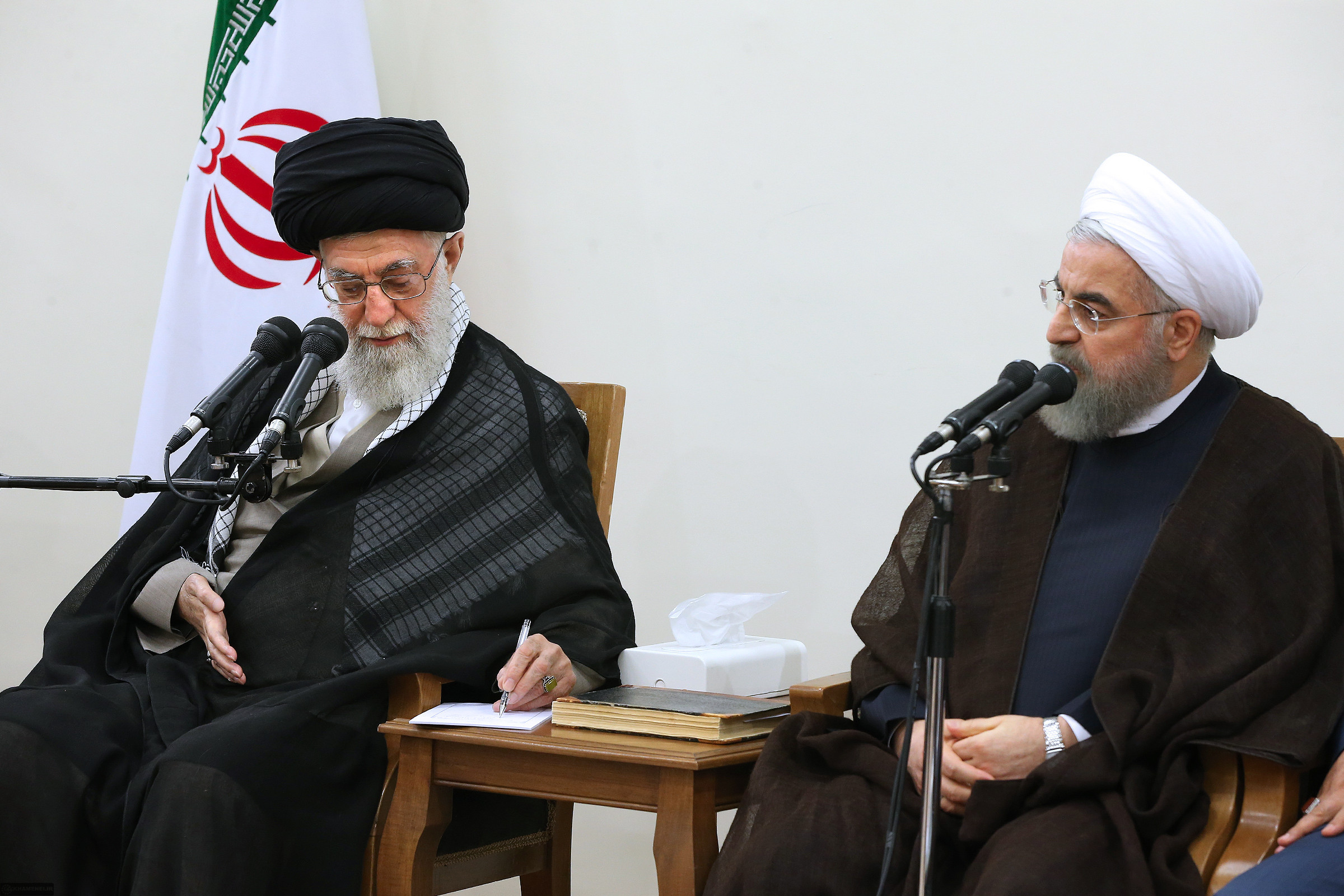
Iran's Supreme Leader Ayatollah Ali Khamenei said Tuesday that regional countries will no longer protect U.S. military bases in the Middle East [1].
This shift in rhetoric signals a potential escalation in regional instability as Iran challenges the security framework of U.S. military installations. The statement follows a period of heightened tension regarding the enforcement of peace agreements and the presence of foreign troops in the region.
Khamenei made the declaration on May 26, 2026 [1]. He said that Middle East nations would no longer serve as a shield for U.S. bases [2]. This position comes as a direct response to recent U.S. military strikes, which Iran said violate a ceasefire agreement [3].
The breach of the truce has fueled concerns over the stability of ongoing deal talks. The U.S. strikes have reportedly created a volatile environment, leading other international actors to urge both sides to respect the existing ceasefire [4].
Iran has long criticized the U.S. military footprint in the Middle East, viewing the bases as instruments of foreign interference. By claiming that regional allies will no longer provide a buffer, Khamenei is suggesting a realignment of local diplomatic and security priorities — one that leaves U.S. assets more exposed to potential threats.
The timing of the statement coincides with a broader diplomatic struggle to maintain a truce. While the U.S. maintains its strategic necessity in the region, Iran continues to frame these operations as aggressive acts that undermine regional sovereignty [3].
“Regional countries will no longer protect U.S. military bases in the Middle East.”
The statement by Ayatollah Ali Khamenei suggests a strategic effort to isolate U.S. military assets by claiming a loss of local support. By linking this shift to the violation of a ceasefire, Iran is attempting to frame the U.S. as the aggressor to justify future actions and pressure regional partners to distance themselves from American security guarantees.


