
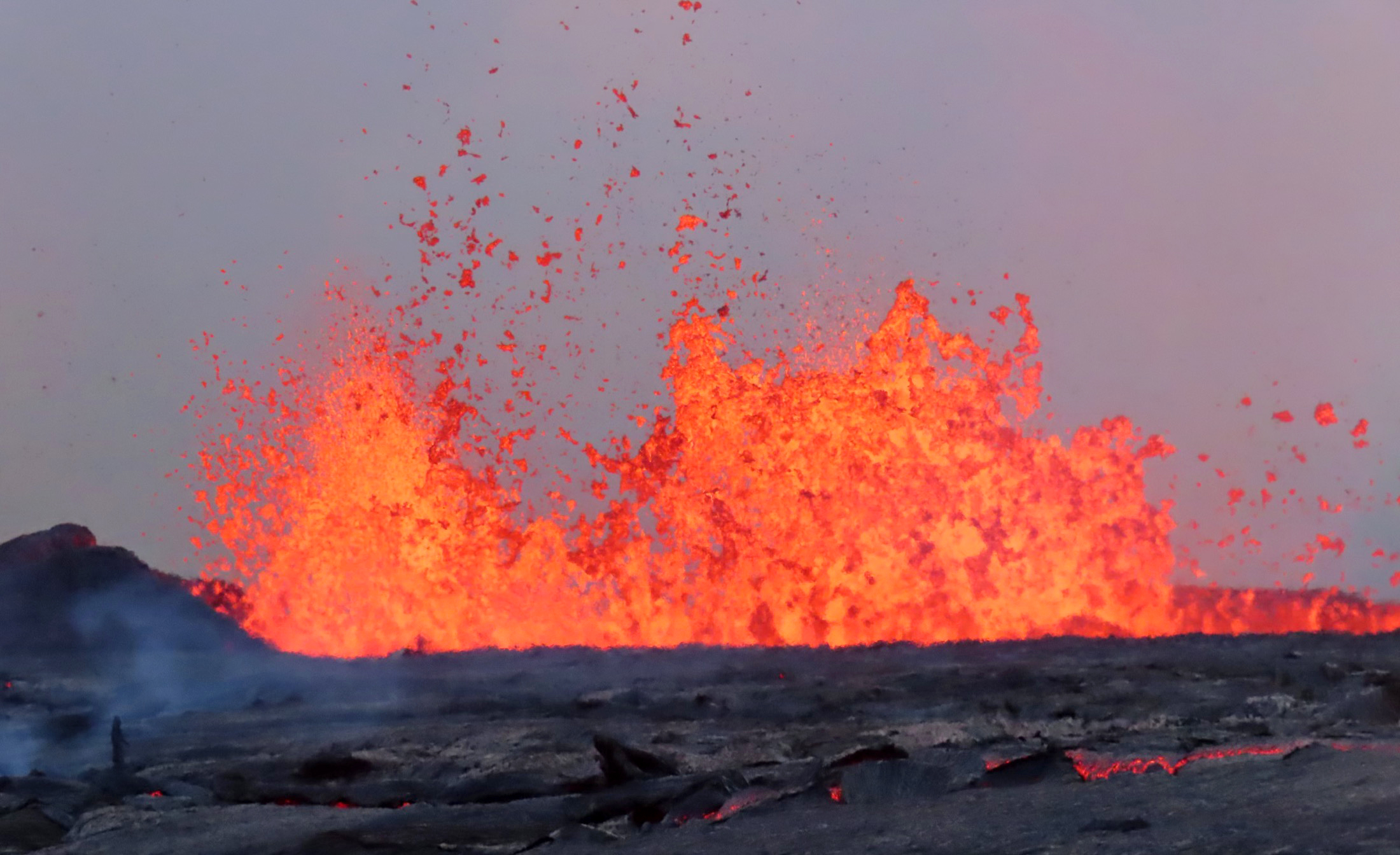
The Kilauea volcano on the island of Hawaii began a new eruptive episode on June 1, 2026, producing ash and lava fountains [1].
This activity marks the start of Episode 48, a significant volcanic event that necessitates immediate safety measures for residents and tourists within the Hawaii Volcanoes National Park. The eruption's intensity has triggered warnings regarding volcanic ash and falling debris.
Monitoring began earlier this month when the U.S. Geological Survey warned that the eruptive episode could begin as early as May 30, 2026 [2]. Hawaii County Civil Defense followed these signals by issuing an alert at approximately 7 p.m. on that day [3]. These precursory seismic signals indicated a buildup of pressure that culminated in the current activity.
Recent images from the site show impressive lava fountains that reached approximately 1,000 feet in height [4]. The eruption has caused significant disruptions to local infrastructure and tourism. Authorities imposed temporary closures at Hawaii Volcanoes National Park, and shut down a portion of a major highway due to the danger of falling volcanic fragments [4].
USGS scientists and local civil defense officials continue to monitor the situation. The eruption is being streamed live for public viewing, allowing researchers and the global community to observe the lava flow in real time [1]. While the activity is concentrated within the park, officials remain vigilant about the potential for ash to affect air quality and visibility in surrounding areas [4].
Local officials said that visitors should adhere to all closure signs and evacuation orders to ensure safety as the volcano continues to vent material [4].
“Lava fountains reached approximately 1,000 feet in height”
The transition into Episode 48 demonstrates Kilauea's characteristic cycle of activity, where seismic precursors allow for a window of preparation. The 1,000-foot lava fountains and resulting highway closures highlight the immediate physical risk posed by volcanic fragments, while the use of live streaming underscores the role of real-time remote monitoring in managing public safety and scientific data collection during active eruptions.


