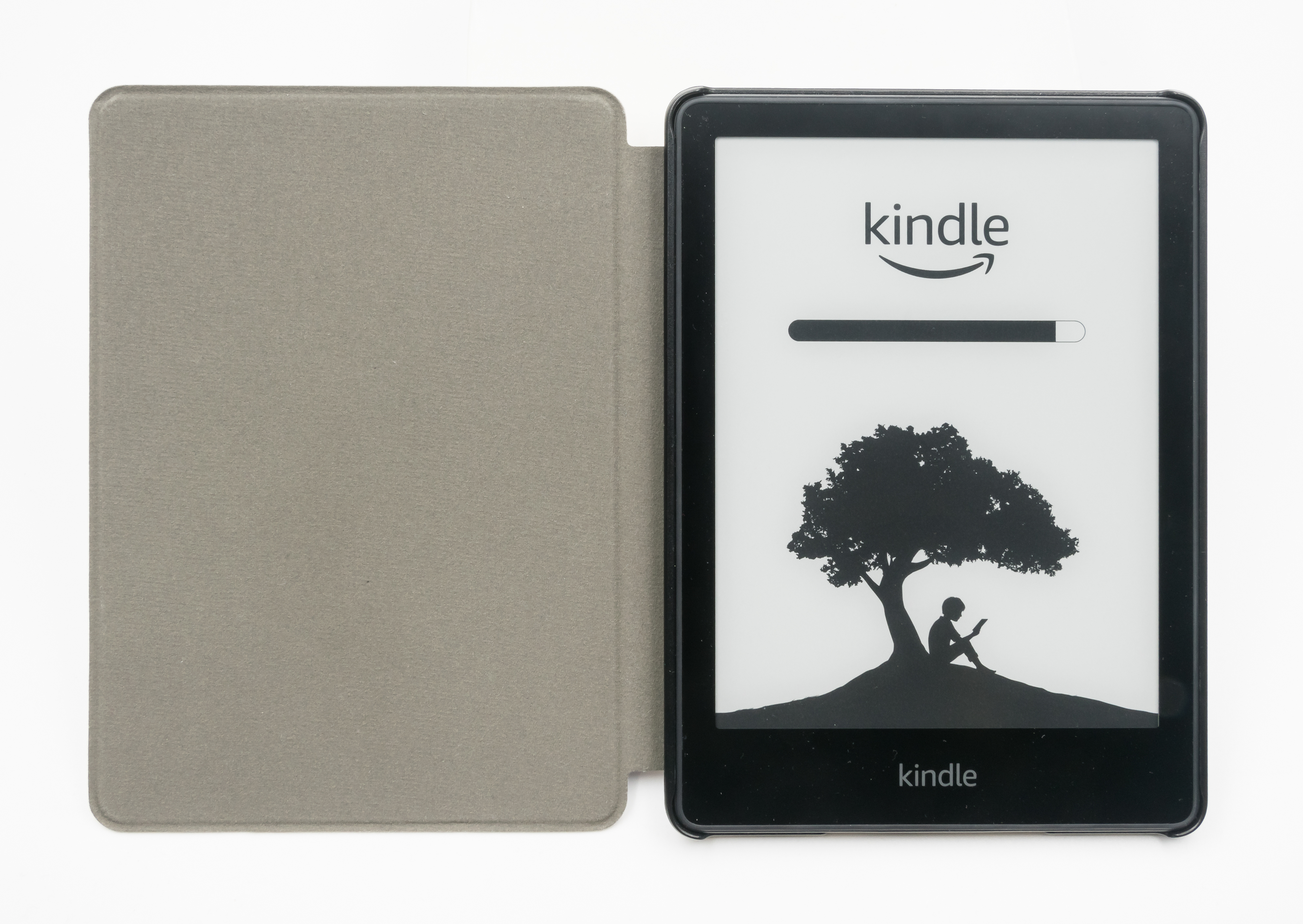
A reader is highlighting the specific utility of Amazon Kindle short story collections while simultaneously moving back toward physical book ownership.
This shift reflects a broader tension in modern media consumption between the efficiency of digital libraries and the emotional value of tangible art. As e-readers become ubiquitous, some users are finding that the lack of physical presence diminishes the connection to the material.
The appeal of the Kindle remains rooted in its portability and speed. "It's tiny, holds a huge library, and you can purchase new books instantly," the author said [1]. For short stories, the digital format allows for a high volume of content without the bulk of multiple physical anthologies.
However, the author said there is a growing preference for the experience of sourcing physical copies. This preference is compared to the nostalgia of collecting retro game cartridges, where the act of discovery adds value to the item. The author said there is a deeper connection formed with a book dug out of a stack in a used book shop versus simply choosing the next thing in a series from a menu on an e-reader [1].
This transition suggests that while the Kindle excels at delivery and accessibility, it cannot replicate the sense of ownership associated with a physical object. The act of browsing a physical store provides a tactile engagement that digital menus lack, a gap that persists despite the technological advantages of e-ink displays.
Ultimately, the Kindle serves as a tool for efficiency, while physical books serve as artifacts of a deeper personal connection to literature [1].
“"It's tiny, holds a huge library, and you can purchase new books instantly."”
This perspective illustrates the 'digital fatigue' affecting modern consumers. While the efficiency of the Kindle ecosystem is undisputed, the desire for tactile ownership suggests that the value of a book is not just in the text, but in the physical experience of acquisition and possession.
'%2F%3E%0A%20%20%20%20%3Crect%20width%3D'1600'%20height%3D'900'%20fill%3D'url(%23v)'%2F%3E%0A%20%20%20%20%3Cg%20opacity%3D'0.08'%20fill%3D'%23ffffff'%3E%0A%20%20%20%20%20%20%3Ccircle%20cx%3D'1420'%20cy%3D'180'%20r%3D'220'%2F%3E%0A%20%20%20%20%20%20%3Ccircle%20cx%3D'1500'%20cy%3D'760'%20r%3D'120'%2F%3E%0A%20%20%20%20%3C%2Fg%3E%0A%20%20%20%20%3Cline%20x1%3D'80'%20y1%3D'172'%20x2%3D'220'%20y2%3D'172'%20stroke%3D'%23ffffff'%20stroke-width%3D'3'%20stroke-opacity%3D'0.6'%2F%3E%0A%20%20%20%20%3Ctext%20x%3D'80'%20y%3D'140'%20font-family%3D'Inter%2C%20-apple-system%2C%20Helvetica%2C%20sans-serif'%20font-weight%3D'700'%20font-size%3D'28'%20fill%3D'%23ffffff'%20letter-spacing%3D'6'%3EHANNA%20%C2%B7%20NEWS%3C%2Ftext%3E%0A%20%20%20%20%3Ctext%20x%3D'80'%20y%3D'230'%20font-family%3D'Inter%2C%20-apple-system%2C%20Helvetica%2C%20sans-serif'%20font-weight%3D'600'%20font-size%3D'40'%20fill%3D'%23ffffffb3'%20letter-spacing%3D'4'%3ETECH%3C%2Ftext%3E%0A%20%20%20%20%3Ctext%20x%3D'80'%20y%3D'694'%20font-family%3D'Playfair%20Display%2C%20Georgia%2C%20serif'%20font-weight%3D'800'%20font-size%3D'110'%20fill%3D'%23ffffff'%20letter-spacing%3D'-1'%3EAndroid%20Users%20Can%20Screen%3C%2Ftext%3E%3Ctext%20x%3D'80'%20y%3D'820'%20font-family%3D'Playfair%20Display%2C%20Georgia%2C%20serif'%20font-weight%3D'800'%20font-size%3D'110'%20fill%3D'%23ffffff'%20letter-spacing%3D'-1'%3EMirror%20to%20Roku%20via%20Miracast%3C%2Ftext%3E%0A%20%20%20%20%3Ctext%20x%3D'80'%20y%3D'870'%20font-family%3D'Inter%2C%20-apple-system%2C%20Helvetica%2C%20sans-serif'%20font-weight%3D'500'%20font-size%3D'22'%20fill%3D'%23ffffff66'%20letter-spacing%3D'2'%3Enews.hanna-ai.com%3C%2Ftext%3E%0A%20%20%3C%2Fsvg%3E)

