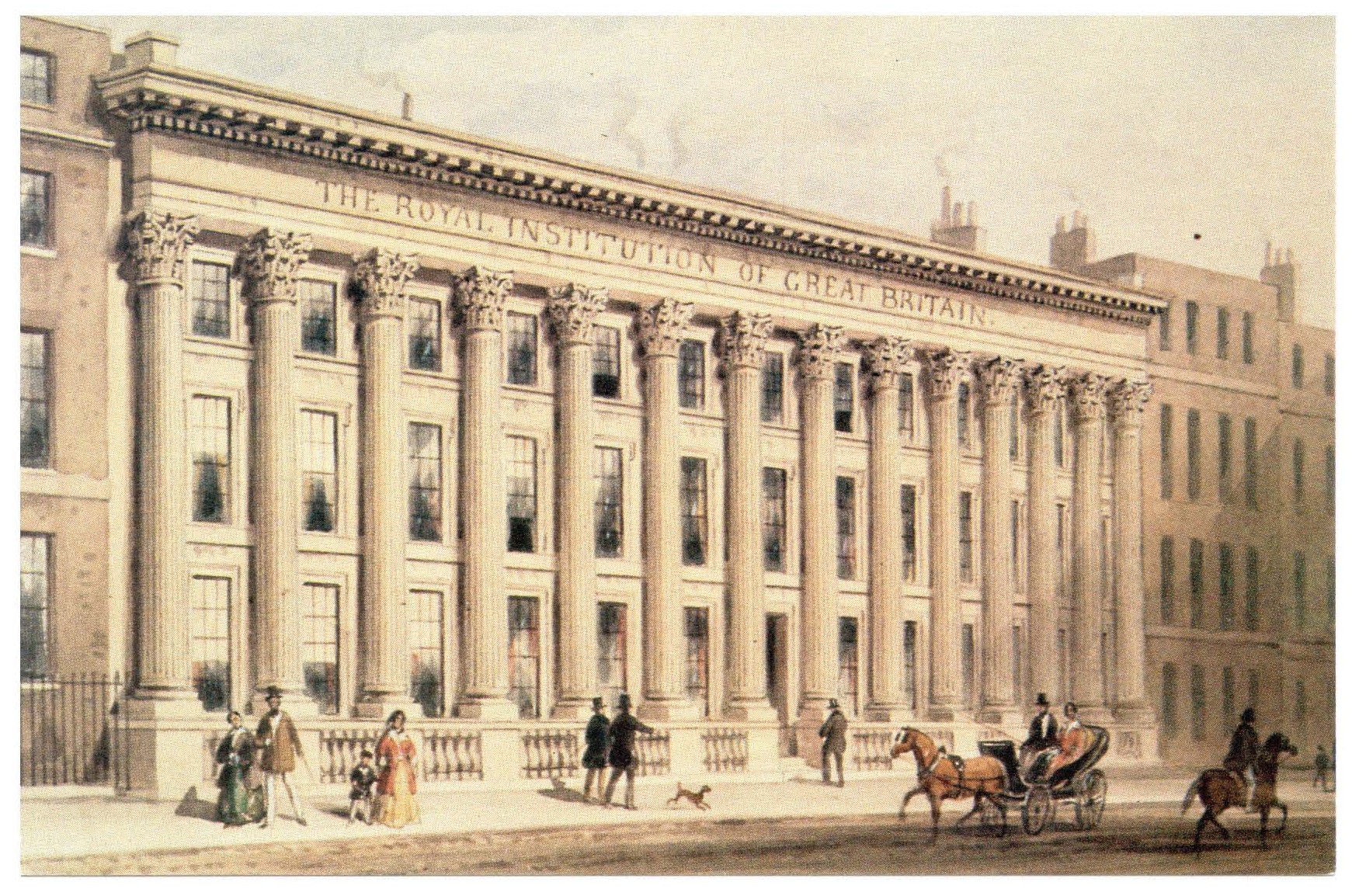
Nobel Prize-winning physicist Kip Thorne explained the scientific reasons why black holes appear as they do during a Q&A session at the Royal Institution in London.
Understanding the visual properties of black holes allows scientists to better test the laws of general relativity and understand how gravity warps light. By addressing common misconceptions, Thorne bridges the gap between complex theoretical physics and public perception of the cosmos.
Thorne used the session to answer popular internet questions about the underlying science of black hole appearances. His explanations focus on how the intense gravitational pull of these celestial objects bends light, creating the distinct visual signatures captured by astronomers.
Thorne's expertise in this field is supported by a history of high-level academic recognition. Three scientists received the Nobel Prize in Physics [1] for their work on black holes [2]. This prize was awarded in 2020 [3] and announced on Oct. 6, 2020 [4].
The discussion at the Royal Institution served as a pedagogical tool to clarify how the event horizon and accretion disks contribute to the visual representation of a black hole. Thorne described the physics that govern these phenomena, explaining how light is captured and diverted by extreme mass.
Because black holes do not emit light themselves, their visibility depends entirely on the interaction with surrounding matter and the bending of light from distant stars. Thorne's analysis provides a framework for interpreting the images produced by the Event Horizon Telescope and other observational tools.
“Kip Thorne explains the scientific reasons why black holes look the way they do.”
The dissemination of this knowledge by a Nobel laureate emphasizes the transition of black hole research from purely theoretical mathematics to observational science. As imaging technology improves, the ability to reconcile visual data with the predictions of general relativity becomes critical for validating our understanding of the universe's most extreme environments.


