
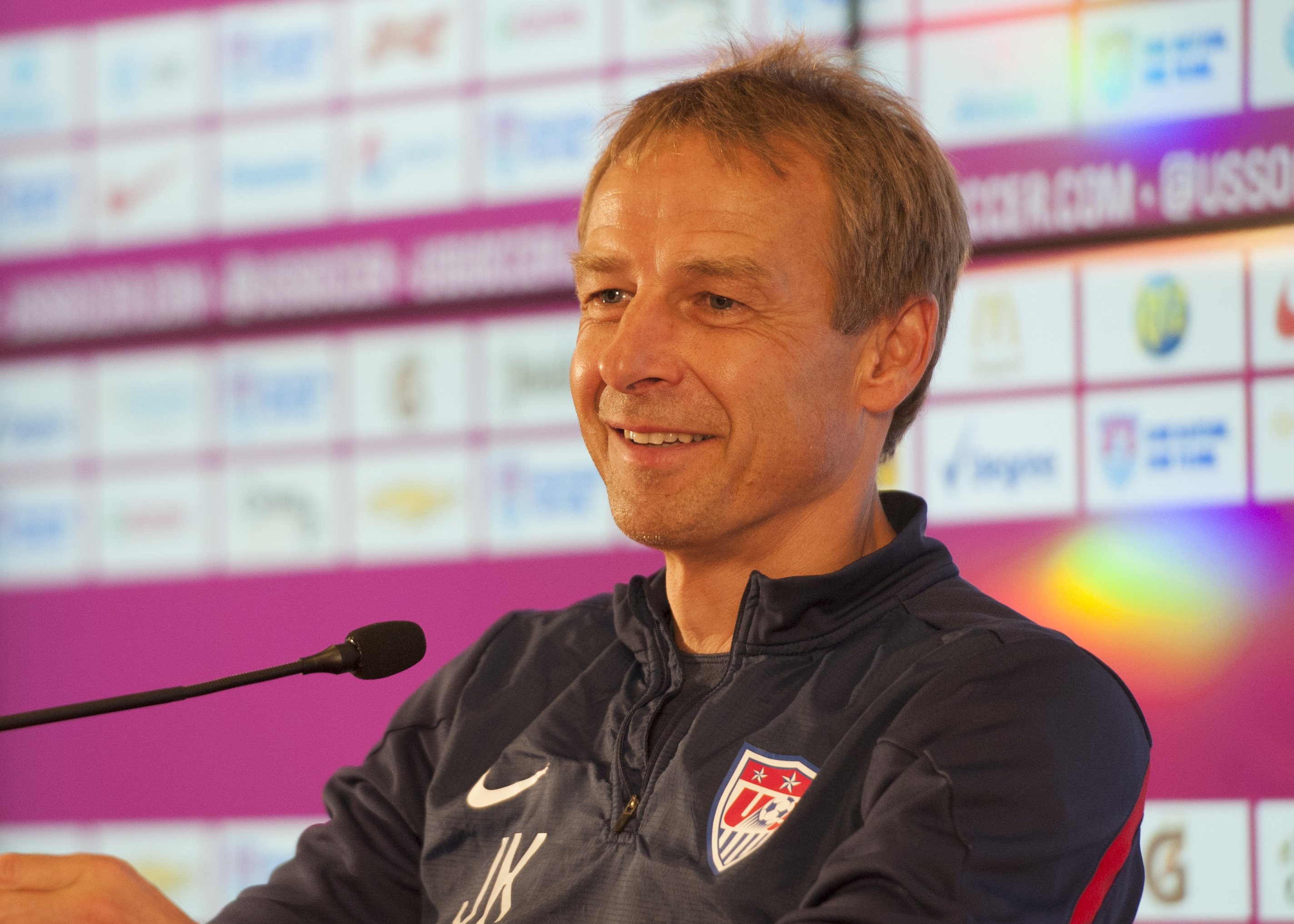
Former German national team coach Jürgen Klinsmann and journalist Ingo Zamperoni discussed the political dimensions of the 2026 FIFA World Cup on Wednesday [1].
The conversation highlights the tension between sport as a global celebration and the sociopolitical realities of the host nation. As the tournament approaches, the intersection of athletics and national identity often exposes deep-seated societal divisions.
The discussion took place during an episode of the ARD talk show "Maischberger," which aired on June 10, 2026 [2]. The participants said the tournament is intertwined with U.S. political polarization, racism, and neocolonialism [3, 4].
Zamperoni provided context from a road-trip documentary filmed in the U.S. starting May 20, 2026 [5]. The project aimed to document the current political climate in the United States ahead of the sporting event [6]. This research suggests that the tournament cannot be viewed in isolation from the domestic tensions currently shaping the American landscape.
While some perspectives view the World Cup as a celebration of emotional legacy and sport, other analyses suggest the event is fundamentally a story of racism, and neocolonialism [7, 8]. These contradictions illustrate the divide between the idealized image of the "beautiful game" and the systemic issues that persist within the regions hosting the event.
With the tournament scheduled to start in roughly three weeks [9], the dialogue emphasizes that the event will likely serve as a mirror for the host's internal struggles. The participants said that the global stage of the World Cup often amplifies existing political frictions rather than resolving them.
“The World Cup is also a story of racism and neocolonialism.”
The focus on the 2026 World Cup's political nature reflects a growing trend where global sporting events are used as catalysts for discussing human rights and national stability. By framing the tournament through the lens of U.S. polarization and racism, the discussion signals that the event will be judged not only by its athletic success but by its ability to navigate the complex social climate of the host country.


