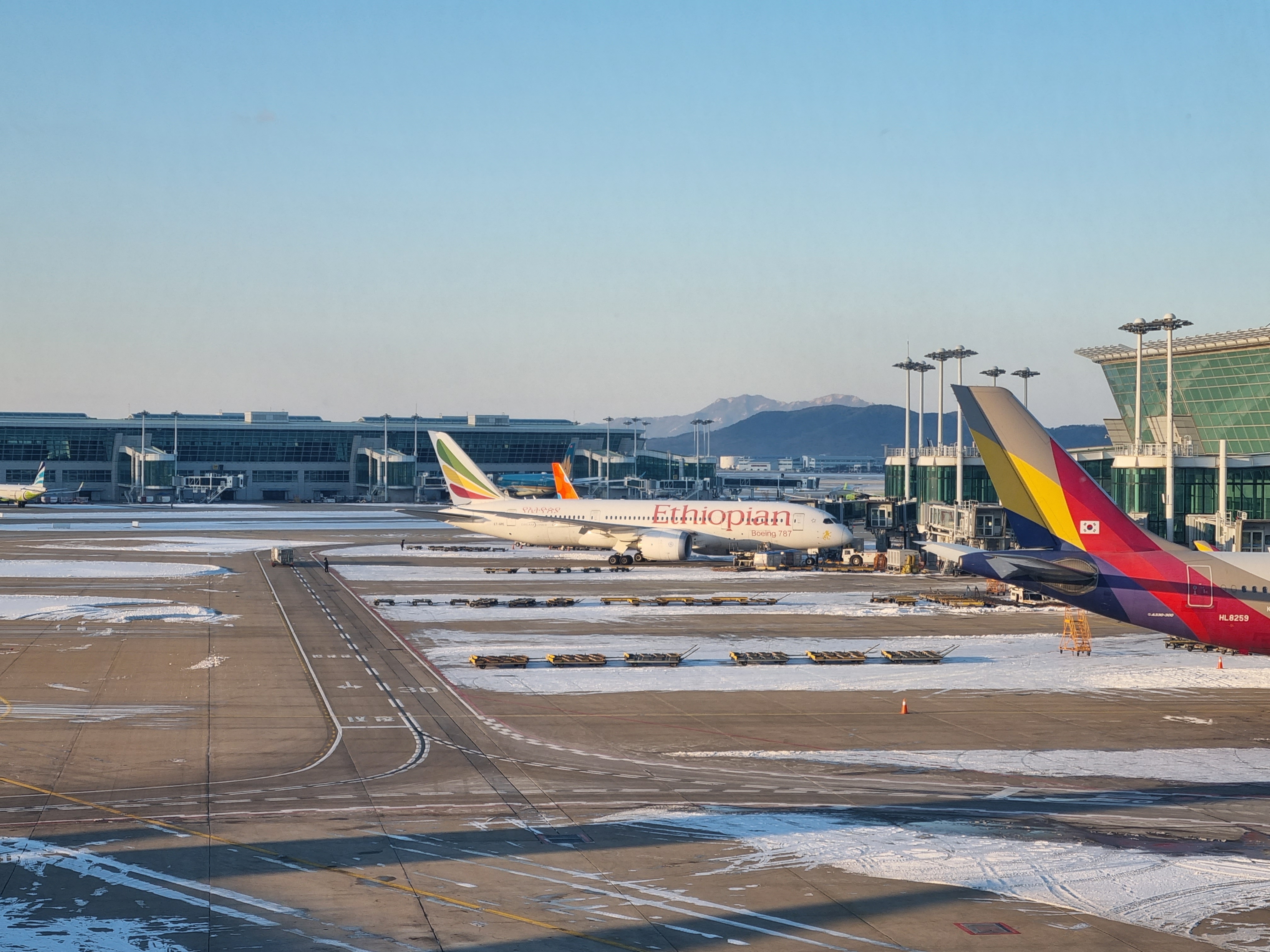
The Korea Drone & UAM Expo 2026 opened in Incheon on Wednesday, July 15, 2026 [1], showcasing next-generation air-mobility technologies.
The event highlights the transition toward urban air mobility (UAM) as a primary solution for heavy ground traffic. By moving passenger and cargo transport to the sky, organizers aim to redesign the future of aviation within dense city environments [2].
A central feature of the expo is the unveiling of a domestically developed UAM aircraft [2]. This aircraft is presented as a cornerstone of South Korea's efforts to lead in the air-mobility sector. The display serves as a precursor to a scheduled flight demonstration, which will test the vehicle's capabilities in a real-world setting [2].
Major industry players, including Korean Air, are participating in the exhibition [1]. Their involvement signals a strategic shift for traditional aviation companies as they integrate vertical takeoff and landing (VTOL) technologies into existing transport networks. The expo provides a platform for these companies to demonstrate how UAM can complement current infrastructure, creating a multi-layered transport system.
Beyond the aircraft displays, the expo focuses on the broader ecosystem required for flight. This includes the development of vertiports, air traffic management systems, and the regulatory frameworks necessary to ensure safety in urban corridors [2]. The event emphasizes that the success of UAM depends not only on the aircraft themselves but on the integration of these technologies into the city's fabric.
Organizers said that the expo is designed to explore sky-based solutions to alleviate the systemic failures of ground-based transit [2]. The gathering of engineers, policymakers, and aviation firms in Incheon aims to accelerate the commercialization of these technologies for public use.
“The Korea Drone & UAM Expo 2026 opened in Incheon on Wednesday, July 15, 2026.”
The focus on domestically developed aircraft and the participation of established carriers like Korean Air indicate that South Korea is attempting to build a vertically integrated UAM industry. By controlling both the hardware and the operational logistics, the country aims to move beyond conceptual designs into a functional urban transport layer that reduces reliance on traditional road infrastructure.


