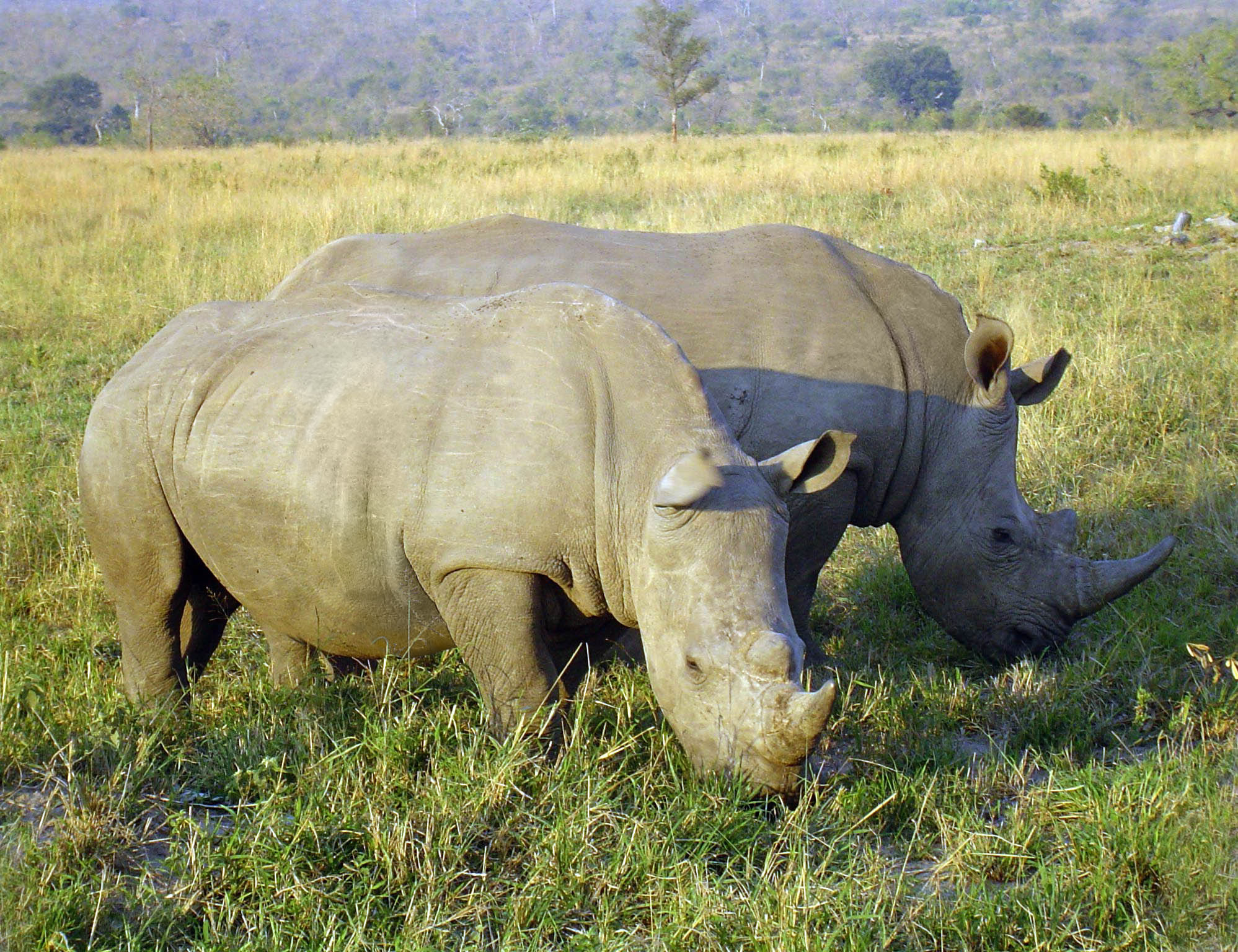
South African National Parks (SANParks) celebrated the 100-year anniversary of Kruger National Park this week at Africa’s Travel Indaba in Durban [1, 2].
The milestone marks a shift in how the region approaches wilderness management. By centering the centenary on inclusive conservation, SANParks aims to balance environmental protection with the economic needs of local communities.
Beryl Ferguson, the SANParks Board Chair, led the forum during the event held on Wednesday [2, 3]. The gathering focused on the park's role in shaping the African wilderness and the necessity of evolving those practices for a modern era [1, 2].
Kruger National Park was officially proclaimed in 1926, making 2026 its centenary year [1]. The celebration serves as a platform to promote tourism-driven economic growth, and community development across the region [2, 3].
Ferguson said the focus of the dialogue was on inclusion and sustainability [3]. The organization is pushing for a model where conservation efforts directly contribute to climate action and the upliftment of people living near protected areas [2, 3].
The event at Africa’s Travel Indaba highlights the intersection of global tourism and local ecology. SANParks is utilizing the anniversary to redefine the relationship between the park and the surrounding populations, ensuring that the next century of conservation is more equitable than the last [2].
“Kruger National Park was officially proclaimed in 1926, making 2026 its 100-year anniversary.”
The transition toward 'inclusive conservation' signifies a departure from the historical 'fortress conservation' model, which often excluded indigenous populations from protected lands. By linking the centenary to economic growth and community development, SANParks is attempting to mitigate local conflict and create a sustainable financial incentive for wildlife protection through tourism.