
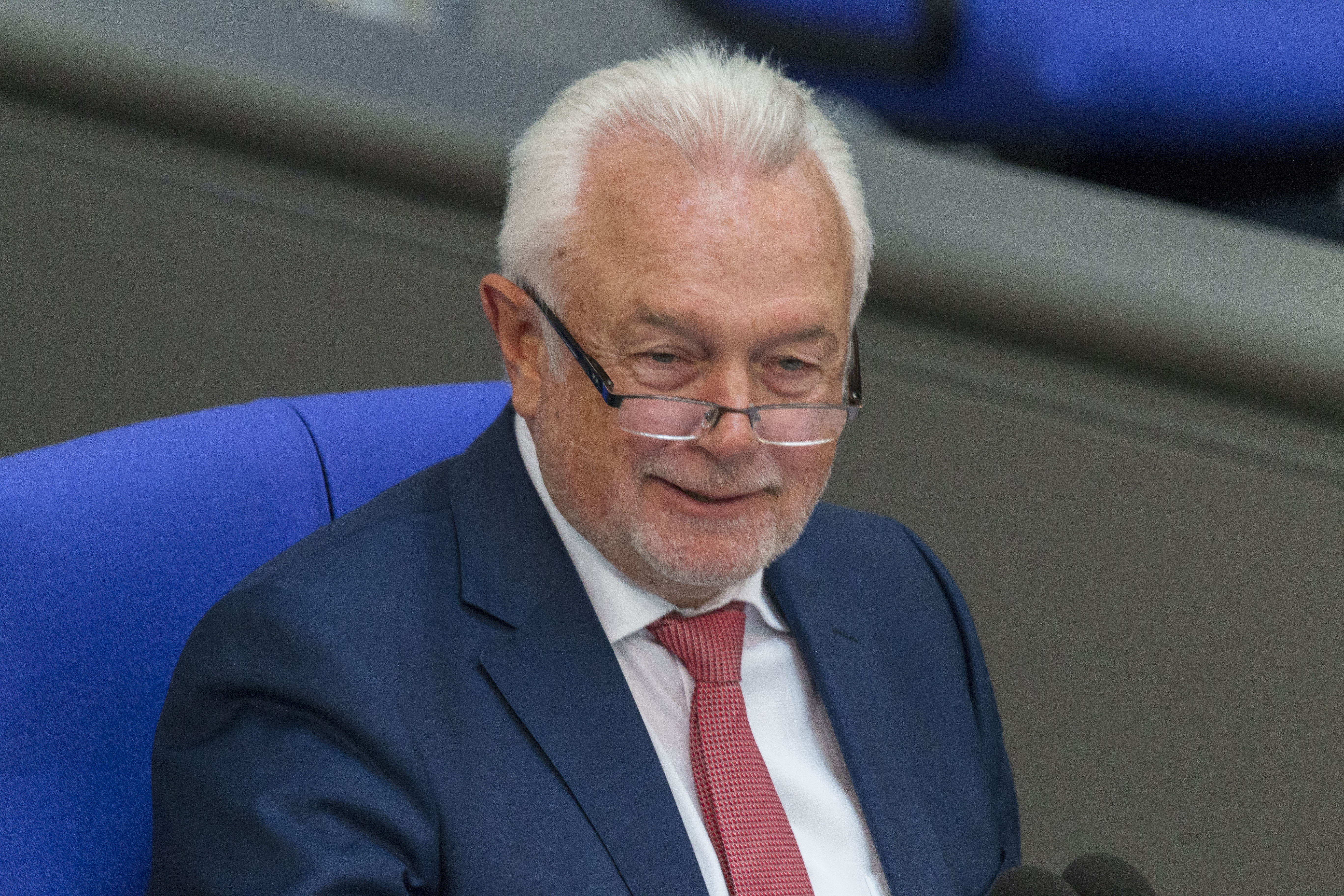
FDP Chairman Wolfgang Kubicki said a coalition with the Alternative for Germany (AfD) is excluded during a televised appearance on Tuesday.
This stance maintains a critical political barrier in Germany, known as the "firewall," which prevents mainstream parties from legitimizing far-right ideologies through formal government partnerships. As the FDP seeks to preserve its liberal identity, Kubicki's refusal to partner with the AfD signals a commitment to avoiding right-populist alliances.
Kubicki appeared on the ARD talk show "Maischberger" on June 9, 2026, where he addressed the possibility of such a partnership. When asked about a coalition with the AfD, he said, "Ausgeschlossen" [1].
While the FDP leader rejected a formal coalition, he indicated a different approach to the AfD's electoral presence. Kubicki said, "Ich würde Stimmen der AfD akzeptieren – selbstverständlich" [2]. This suggests that while he recognizes the AfD's role as a representative of a portion of the electorate, he remains opposed to sharing executive power with the party.
Kubicki's leadership comes at a pivotal time for his party. He announced his candidacy for FDP chair at the end of May 2026 [3]. His current positioning reflects a broader struggle within German politics to balance the reality of far-right electoral gains with the ideological necessity of keeping those parties out of government.
Critics of the FDP's strategy have reacted sharply to the party's navigation of this landscape. One commentator on Lomazoma.com said that Kubicki "hat nicht mehr alle Tassen im Schrank" [4].
Despite these critiques, Kubicki continues to frame the FDP as a liberal bulwark. By explicitly ruling out a coalition, he aims to ensure the party does not drift toward the far-right, even as the political climate in Germany shifts.
“"Ausgeschlossen."”
Kubicki's insistence on the 'firewall' against the AfD underscores the ongoing tension between electoral mathematics and ideological red lines in German politics. By accepting the AfD's votes but rejecting their partnership, the FDP is attempting to acknowledge the party's popularity among some voters without granting them the institutional legitimacy that comes with a coalition agreement.


