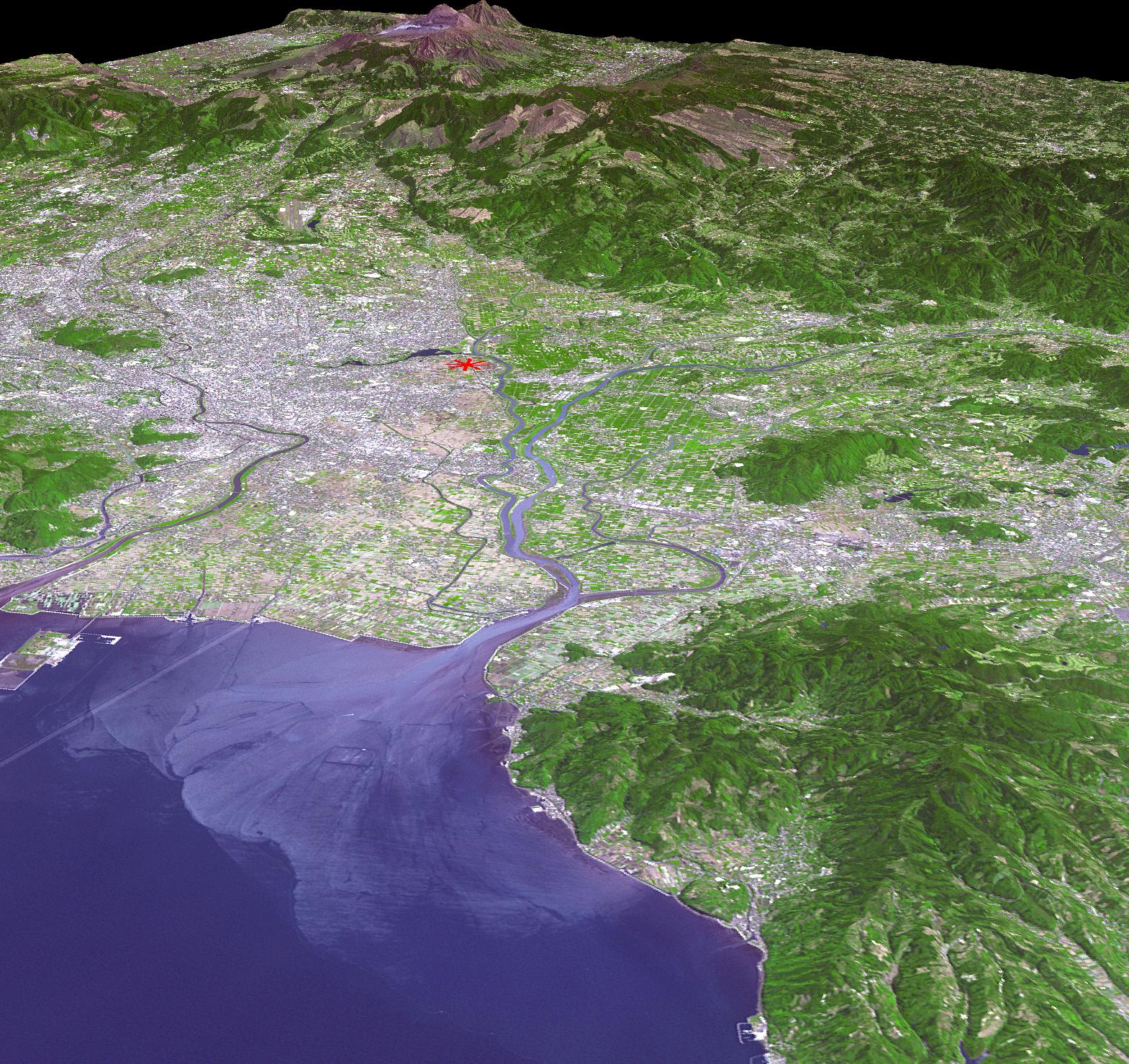
An earthquake that struck Kumamoto, Japan, caused seismic activity that was detected in South Korea on July 29, 2026 [1].
The event demonstrates how seismic waves from significant geological activity in Japan can propagate across the Sea of Japan to affect neighboring regions. This cross-border impact highlights the shared seismic risk for coastal cities in East Asia.
Reports of the tremors surfaced at 09:59 KST [1]. Residents in several areas of South Korea reported feeling the earth shake, though the exact magnitude of the original quake in Kumamoto was not immediately specified in the available data [1].
In South Korea, the shaking was sensed in the cities of Busan and Gimhae [1]. These locations, situated on the southeastern coast of the peninsula, are often the first to detect seismic waves traveling from the Japanese archipelago.
The phenomenon occurred as seismic waves traveled through the earth's crust, crossing the maritime boundary between the two nations, to reach the Korean mainland [1]. Local reports described sudden shaking that startled residents who were stationary at the time of the event [1].
Authorities in the region typically monitor these events to determine if the primary quake poses a secondary risk, such as a tsunami, though no such warnings were detailed in the initial reports [1]. The detection of the quake in Busan and Gimhae serves as a reminder of the region's vulnerability to distant seismic events [1].
“Seismic activity from the Kumamoto quake was detected in South Korea.”
The detection of a Japanese earthquake in South Korean cities like Busan and Gimhae underscores the interconnected nature of the region's tectonic activity. While the tremors may be mild in Korea, the ability of seismic waves to travel across the Sea of Japan emphasizes the need for coordinated regional monitoring and early warning systems to mitigate risks across East Asia.

'%2F%3E%0A%20%20%20%20%3Crect%20width%3D'1600'%20height%3D'900'%20fill%3D'url(%23v)'%2F%3E%0A%20%20%20%20%3Cg%20opacity%3D'0.08'%20fill%3D'%23ffffff'%3E%0A%20%20%20%20%20%20%3Ccircle%20cx%3D'1420'%20cy%3D'180'%20r%3D'220'%2F%3E%0A%20%20%20%20%20%20%3Ccircle%20cx%3D'1500'%20cy%3D'760'%20r%3D'120'%2F%3E%0A%20%20%20%20%3C%2Fg%3E%0A%20%20%20%20%3Cline%20x1%3D'80'%20y1%3D'172'%20x2%3D'220'%20y2%3D'172'%20stroke%3D'%23ffffff'%20stroke-width%3D'3'%20stroke-opacity%3D'0.6'%2F%3E%0A%20%20%20%20%3Ctext%20x%3D'80'%20y%3D'140'%20font-family%3D'Inter%2C%20-apple-system%2C%20Helvetica%2C%20sans-serif'%20font-weight%3D'700'%20font-size%3D'28'%20fill%3D'%23ffffff'%20letter-spacing%3D'6'%3EHANNA%20%C2%B7%20NEWS%3C%2Ftext%3E%0A%20%20%20%20%3Ctext%20x%3D'80'%20y%3D'230'%20font-family%3D'Inter%2C%20-apple-system%2C%20Helvetica%2C%20sans-serif'%20font-weight%3D'600'%20font-size%3D'40'%20fill%3D'%23ffffffb3'%20letter-spacing%3D'4'%3EWORLD%3C%2Ftext%3E%0A%20%20%20%20%3Ctext%20x%3D'80'%20y%3D'622'%20font-family%3D'Playfair%20Display%2C%20Georgia%2C%20serif'%20font-weight%3D'800'%20font-size%3D'86'%20fill%3D'%23ffffff'%20letter-spacing%3D'-1'%3ETraffic%20Restricted%20on%20La%3C%2Ftext%3E%3Ctext%20x%3D'80'%20y%3D'721'%20font-family%3D'Playfair%20Display%2C%20Georgia%2C%20serif'%20font-weight%3D'800'%20font-size%3D'86'%20fill%3D'%23ffffff'%20letter-spacing%3D'-1'%3EL%C3%ADnea%20After%20Landslide%20and%3C%2Ftext%3E%3Ctext%20x%3D'80'%20y%3D'820'%20font-family%3D'Playfair%20Display%2C%20Georgia%2C%20serif'%20font-weight%3D'800'%20font-size%3D'86'%20fill%3D'%23ffffff'%20letter-spacing%3D'-1'%3EProtests%3C%2Ftext%3E%0A%20%20%20%20%3Ctext%20x%3D'80'%20y%3D'870'%20font-family%3D'Inter%2C%20-apple-system%2C%20Helvetica%2C%20sans-serif'%20font-weight%3D'500'%20font-size%3D'22'%20fill%3D'%23ffffff66'%20letter-spacing%3D'2'%3Enews.hanna-ai.com%3C%2Ftext%3E%0A%20%20%3C%2Fsvg%3E)
