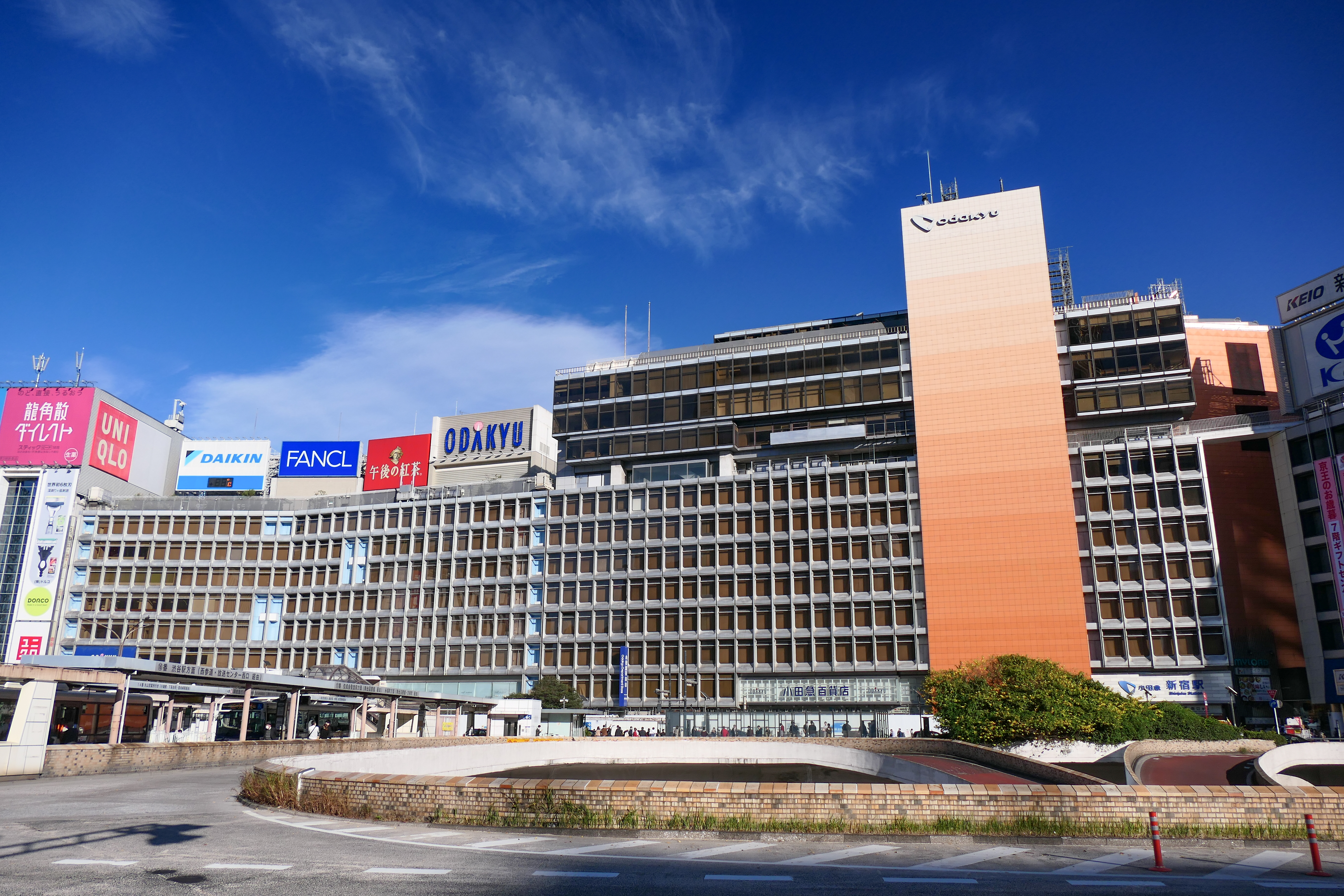
Kura Sushi Co., Ltd. opened a new Mutenkura premium conveyor-belt sushi restaurant in Shinjuku, Tokyo, on July 9, 2026 [1].
The expansion represents a strategic push by the company to bridge the gap between high-end dining and affordable sushi. By utilizing high-speed rail for logistics, the company aims to provide a "local-only taste" to urban consumers who typically lack access to ultra-fresh regional ingredients.
This location is the second Mutenkura store to open within the Kanto region [2]. The premium brand is led by President Tanaka Kunihiko, who said the venture focuses on delivering exceptional quality without the typical price premium associated with luxury sushi.
A central feature of the Shinjuku store's menu is the Hakodate salmon. To maintain a level of freshness that distinguishes the brand from regular Kura Sushi outlets, the fish is transported from Hokkaido via Shinkansen [3]. This logistics model allows the restaurant to maintain a low price point while ensuring the ingredients arrive in peak condition.
The company designed the Mutenkura concept to differentiate itself from its standard conveyor-belt operations. While the core business model remains focused on efficiency, the premium brand prioritizes sourcing, and freshness to attract a different customer demographic in the competitive Tokyo market [3].
The Shinjuku opening follows the brand's effort to scale its premium offerings across Japan's most populous areas. By leveraging the national rail infrastructure for food transport, Kura Sushi is attempting to redefine the speed of the cold chain for perishable seafood [4].
“The new restaurant uses Shinkansen transport for Hakodate salmon”
Kura Sushi's use of the Shinkansen for seafood logistics indicates a shift toward 'hyper-fresh' supply chains in the fast-food sector. By bypassing traditional slower freight methods, the company is attempting to commoditize luxury-grade freshness, potentially forcing other conveyor-belt operators to upgrade their logistics to remain competitive in the Tokyo market.