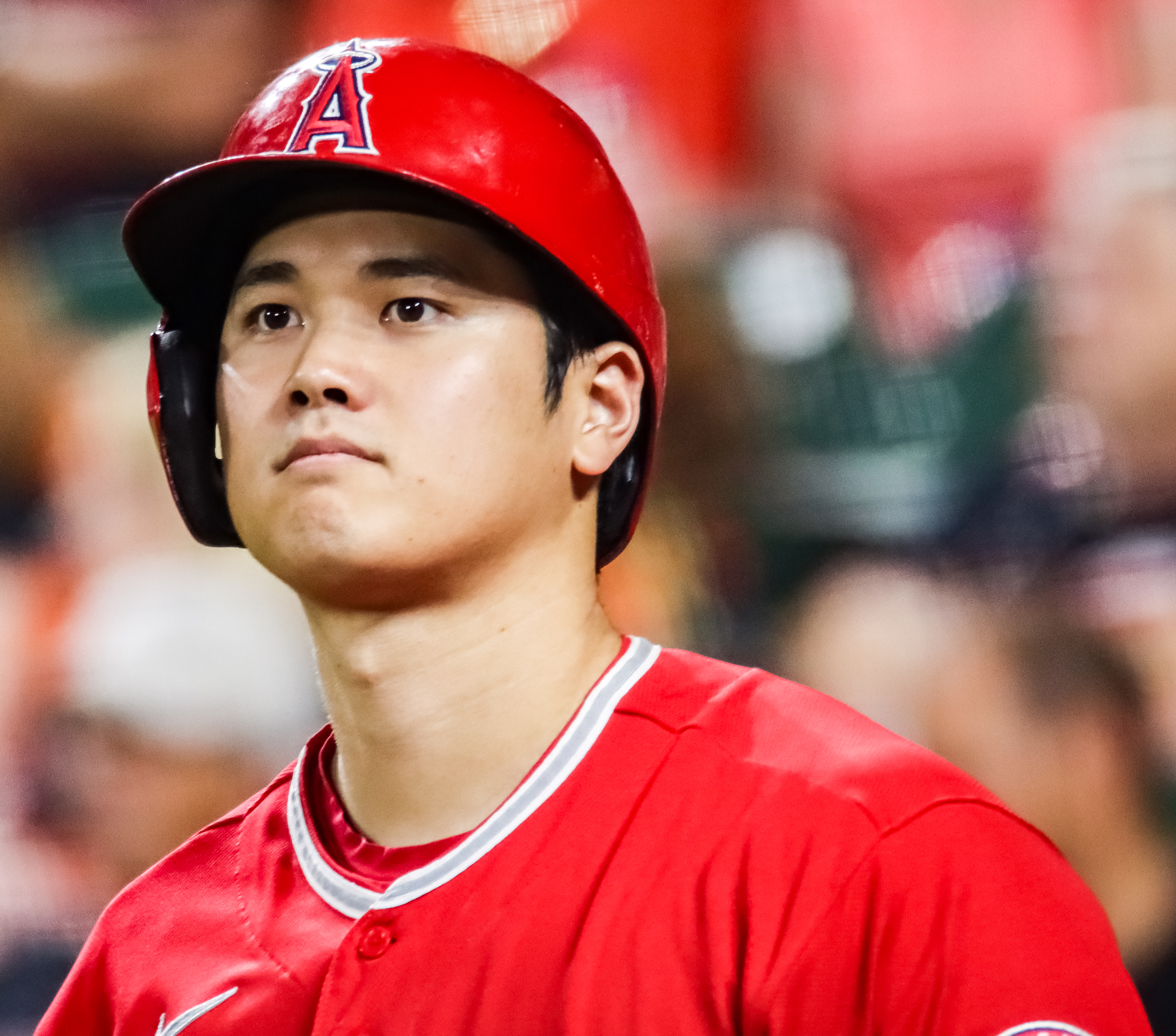
Los Angeles Dodgers outfielder Kyle Tucker is struggling with a .220 batting average through 80 games this season [1].
The slump is drawing significant attention because of the financial expectations tied to Tucker's current deal. In professional baseball, a high-value contract typically demands elite production, and Tucker's current output falls well below the standard for a primary starter.
Tucker earns $60 million this year [1]. This investment by the Dodgers was intended to secure a consistent offensive threat in the lineup, but the player has not played to that level of investment [1]. The disparity between his salary and his on-field performance has become a focal point for analysts and team critics alike.
Addressing the slump, Tucker acknowledged the rarity of his current form. "I normally don't hit .220 for 80 games," Tucker said [1].
The batting average of .220 [1] represents a significant dip for the player. Over the course of 80 games [1], the lack of consistency has placed additional pressure on the Dodgers' offense to compensate for the production missing from the right field position.
Team officials and sports analysts have noted that the report of his struggles highlights the tension of high-stakes contracts. When a player receives $60 million [1], the margin for error is slim, especially during a season where the Dodgers are competing for a championship.
“"I normally don't hit .220 for 80 games,"”
This situation illustrates the 'contract pressure' phenomenon in Major League Baseball, where a player's value is measured not just by statistics, but by the return on investment for the franchise. For the Dodgers, Tucker's slump creates a productivity gap that could impact their postseason seeding, while for Tucker, it necessitates a rapid mechanical or mental adjustment to justify his massive salary.