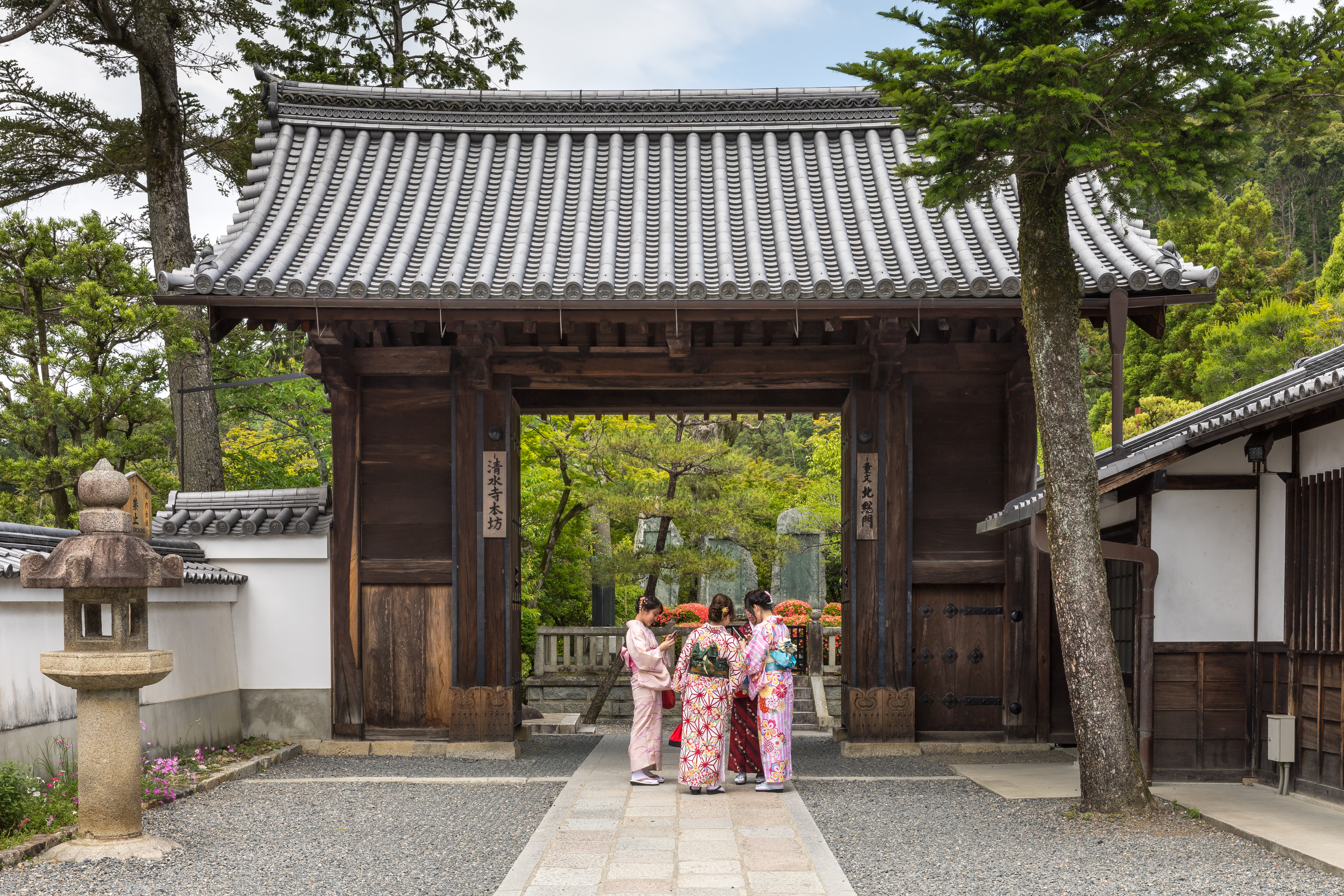
Kyoto is promoting specialized "quiet" tours to attract Japanese domestic tourists who are increasingly avoiding the city due to overcrowding [1].
This shift highlights a growing tension between the economic benefits of international tourism and the preservation of local cultural experiences. As foreign visitors dominate popular districts, domestic travelers are opting for other destinations to avoid congestion and rising costs [2].
In the Arashiyama riverside area, foreign tourists now make up approximately 70% of visitors [1]. Yoshinori Ishikawa of Ebisu-ya said that about 70% of guests are foreigners, and that while many Japanese people seek a quiet Kyoto, such a scene is currently difficult to find [1].
This trend is part of a broader pattern. The number of Japanese tourists visiting Kyoto has declined for three consecutive years [1]. In contrast, the city has seen a surge in international arrivals, with approximately seven million foreign tourists staying in Kyoto hotels last year [1].
Tour operators are now attempting to reverse the domestic decline. Hitoshi Yoshimi of MKHD Co. said that an image of constant congestion has led domestic customers to avoid Kyoto [1]. To counter this, the company is planning tours for the Golden Week period starting April 29, 2026, focusing on locations where visitors can relax during the season of fresh greenery [1].
These efforts target the specific desire for a slower pace. The "quiet-Kyoto" initiative aims to decouple the domestic experience from the high-traffic zones that define the current international tourist trail [2].
“Foreign tourists now make up approximately 70% of visitors in the Arashiyama riverside area.”
The decline of domestic tourism in Kyoto suggests that 'over-tourism' is not merely a logistical challenge for city infrastructure, but a psychological barrier for local citizens. When a cultural capital becomes synonymous with crowds and inflated pricing, it risks losing its identity as a domestic sanctuary, forcing the tourism industry to pivot toward niche, low-density offerings to maintain a balanced visitor base.


