A magnitude 7.1 earthquake struck Japan's southern island of Kyushu on Tuesday, causing a shopping mall to partially collapse in Kumamoto prefecture [1].
The disaster underscores the persistent vulnerability of commercial infrastructure in seismic zones, particularly during peak shopping hours when casualties can rise rapidly.
The quake hit the Yatsushiro area at 4:27 p.m. local time [2]. Emergency responders rushed to a local shopping center where structural failures trapped numerous visitors. A fire service spokesperson said, "Many people are trapped inside the shopping centre" [3].
Rescue operations are ongoing as teams search through the rubble for those still unaccounted for. Authorities report that dozens of people remain missing [1]. So far, two women have been confirmed dead at the collapsed mall [4].
Medical facilities in the region are managing a surge of casualties. A hospital spokesperson said about 80 people hurt during the earthquake are being treated at the Yatsushiro Northern Regional Medical Center [5]. Other reports indicate dozens of injuries across the prefecture [1].
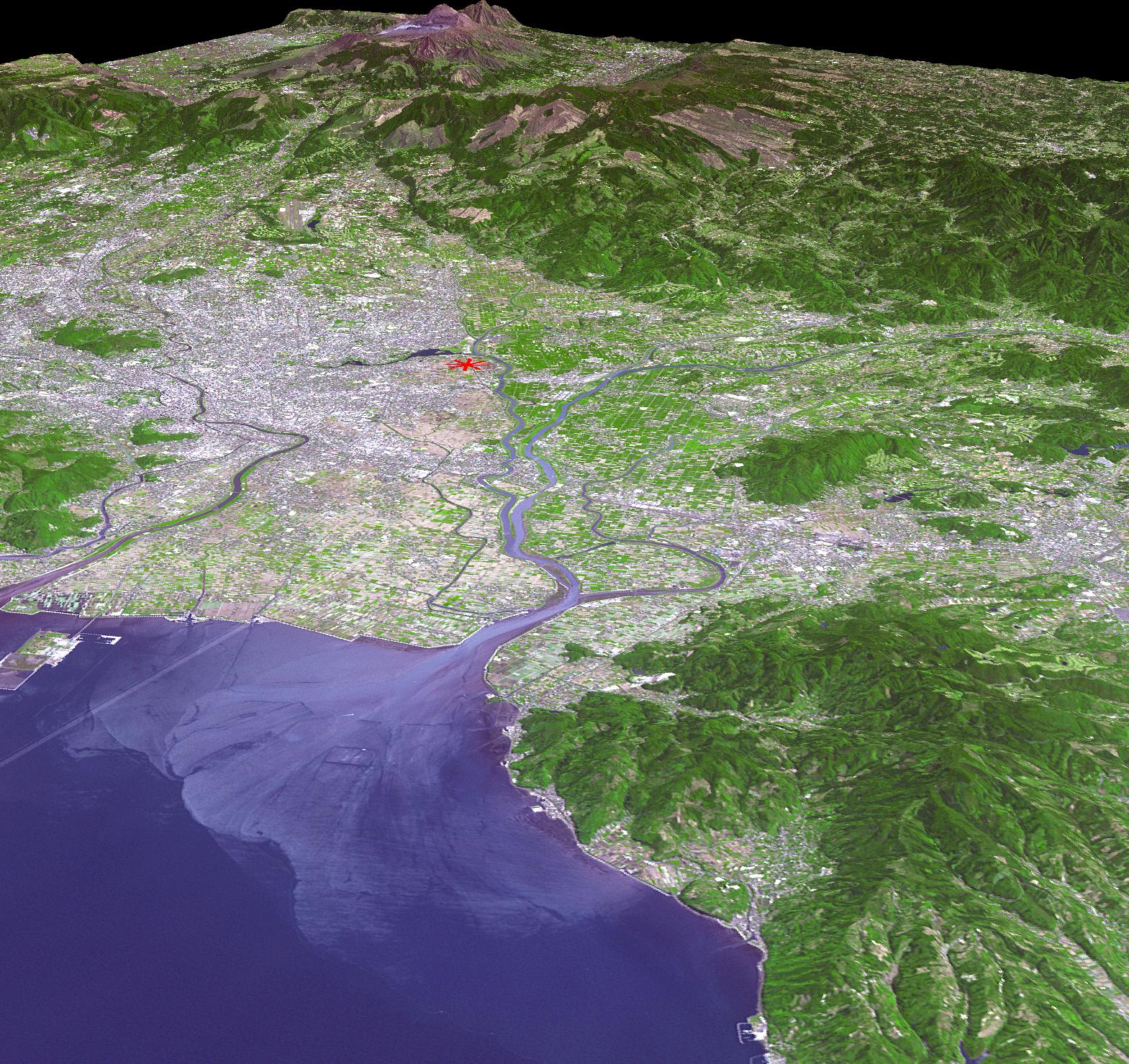
Aerial footage released by officials shows the extent of the devastation in the Yatsushiro area. The images reveal the scale of the mall's collapse and the difficulty rescue crews face when navigating the debris — a challenge compounded by the risk of aftershocks.
An NDTV correspondent said, "A powerful 7.1-magnitude earthquake struck Japan's southern island of Kyushu" [1]. The event was a natural tectonic occurrence that triggered the failure of the mall's structural integrity [1].
“Many people are trapped inside the shopping centre.”
This event highlights the critical need for updated seismic retrofitting in older commercial structures in Kyushu. While Japan maintains some of the world's strictest building codes, the partial collapse of a major shopping center during a 7.1-magnitude event suggests a gap between theoretical safety standards and real-world structural resilience in specific prefectures.

![HB-ZKE: MD Helicopters MD Explorer [1]](https://upload.wikimedia.org/wikipedia/commons/4/45/HB-ZKE-IMG_1730.JPG)
