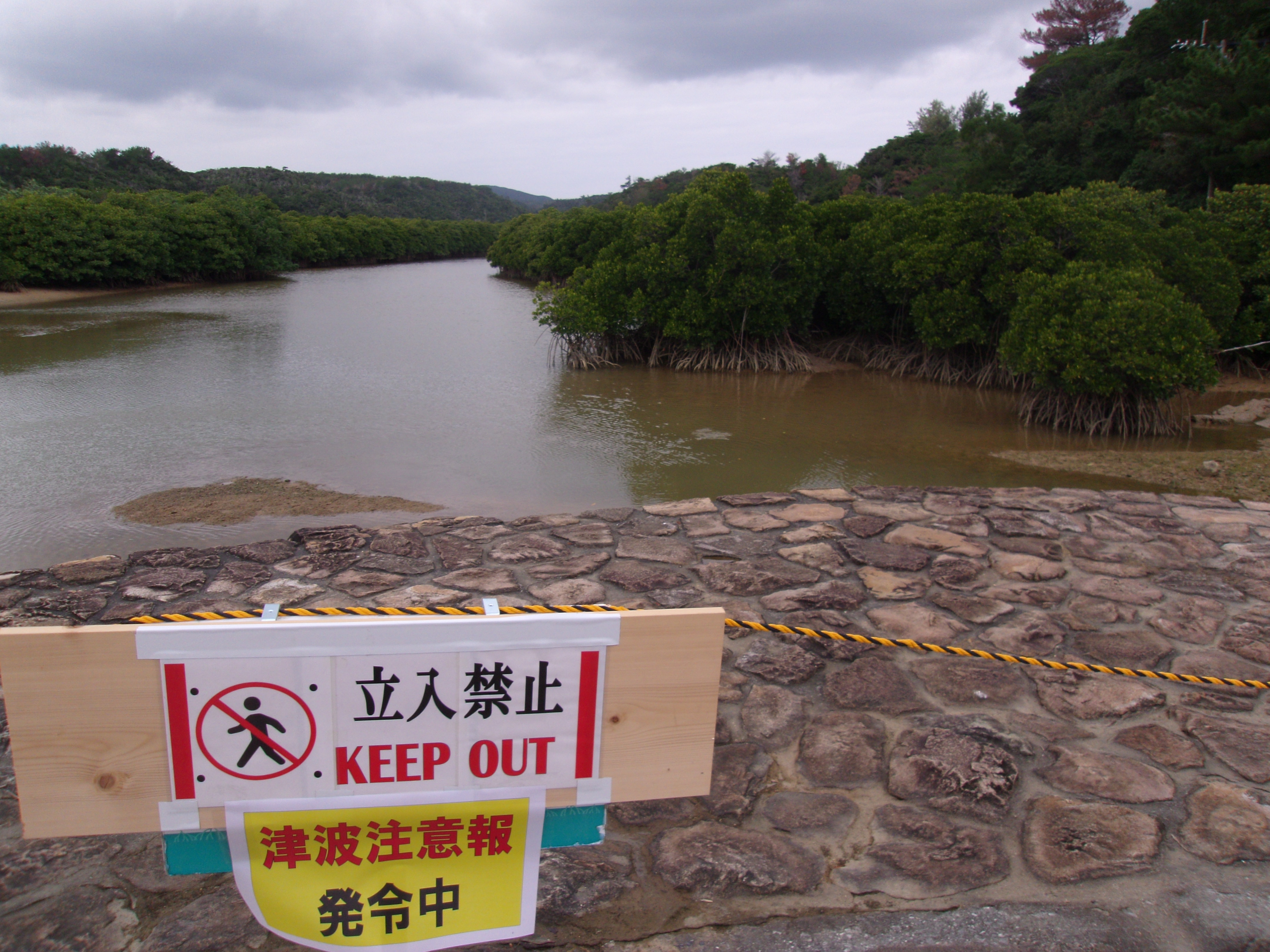
A magnitude-7.1 earthquake struck the Kyushu region of Japan on Monday, leaving at least 13 people dead [1].
The event triggered a massive emergency response and highlighted the vulnerability of the region's coastline to seismic activity. The scale of the displacement and the immediate need for tsunami alerts demonstrate the high stakes of disaster preparedness in Japan.
Japanese authorities issued a tsunami warning shortly after the quake hit [1]. The alert remained in place for several hours before officials cancelled it once they determined the threat was low [1].
The human toll from the disaster includes at least 13 deaths and more than 80 injuries [1]. Rescue efforts were immediate, with the government deploying 3,600 rescue officials to the affected areas [1].
Panic and precautionary measures led to a significant migration of the local population. Approximately 300,000 people evacuated their homes to seek safety in designated shelters, or higher ground [1].
While some reports listed the magnitude as high as 7.7 [2], the primary report from the region identifies the quake as a magnitude-7.1 event [1]. The disparity in initial readings is common during the early stages of seismic assessment.
Rescue agencies continue to coordinate efforts in Kyushu to locate missing persons and provide medical aid to the injured. The rapid cancellation of the tsunami warning allowed some residents to begin returning to their homes, though many remain in shelters as officials assess structural damage to buildings.
“At least 13 dead, over 80 injured”
This incident underscores the precarious balance Japanese authorities must maintain between issuing urgent, life-saving warnings and avoiding widespread economic and social disruption. The evacuation of 300,000 people for a warning that was eventually cancelled shows the effectiveness of Japan's evacuation infrastructure, but also the immense logistical strain that frequent high-magnitude events place on the Kyushu region.


