
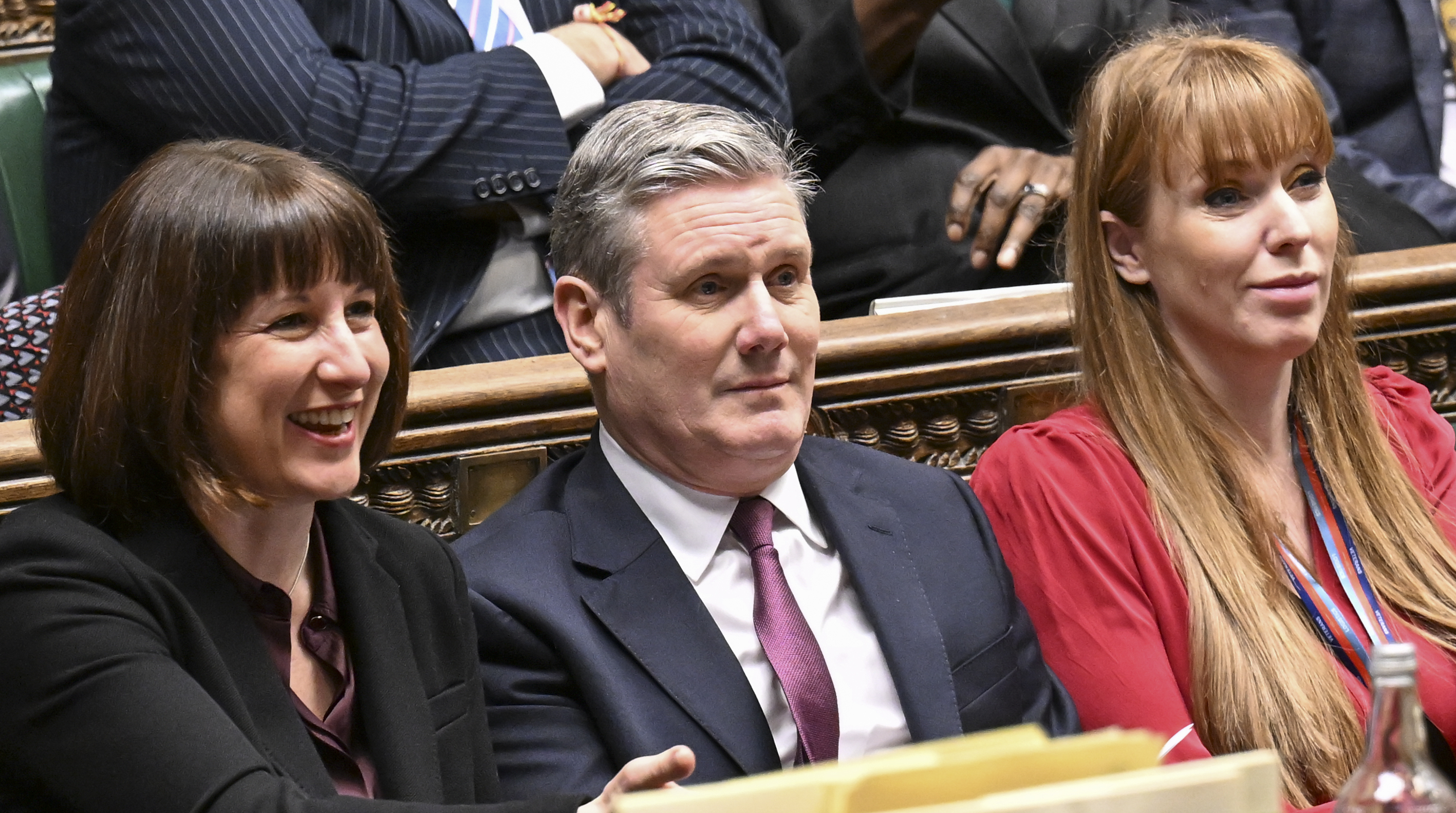
Labour Party members are debating whether the transition following Keir Starmer's leadership will be an uncontested coronation or a contested race [1].
This internal friction signals a potential crisis of confidence within the party's parliamentary structure. If the leadership transition becomes a battleground, it could weaken the party's stability while it faces a persistent electoral challenge from the Reform party [1, 4].
The tension follows a period of internal unrest, including a recent cabinet reshuffle and the removal of former minister Peter Mandelson [4]. Some Labour MPs have openly questioned Starmer's future. According to reports, more than 75 MPs said Starmer should go [3].
High-profile figures including Wes Streeting and Pat McFadden have been linked to this internal pressure [1, 3]. In some circles, Streeting has been accused of attempting to launch a coup, suggesting that any future leadership change would be fought over rather than settled by consensus [3].
Deputy leader Lucy Powell also touched upon the nature of a potential succession. During a program on Sky News, Powell asked, "Was she hinting that a leadership coronation is better than a leadership contest?" [1].
The instability is compounded by external polling data. A Sky News poll analyst said the Reform challenge is not going away, according to the latest voting intention poll [1]. This persistent pressure from the right has prompted some within the party to speculate that a change in leadership is necessary to maintain electoral dominance [1, 4].
While some senior figures may attempt to rally behind Starmer to ensure a smooth transition, the divide between those seeking a coronation and those pushing for a contest remains sharp [2]. This disagreement reflects a broader struggle over the party's direction, and its ability to respond to the current political climate in the United Kingdom [1, 2].
“"Over 75 MPs say Starmer should go."”
The debate over a 'coronation versus contest' reveals a strategic split within the Labour Party. A coronation would prioritize party unity and a seamless handoff of power, whereas a contested race would allow different ideological wings to vie for control. The pressure from Reform suggests that some MPs believe the current leadership is unable to stem the loss of voters, making a leadership challenge a matter of political survival rather than mere preference.


