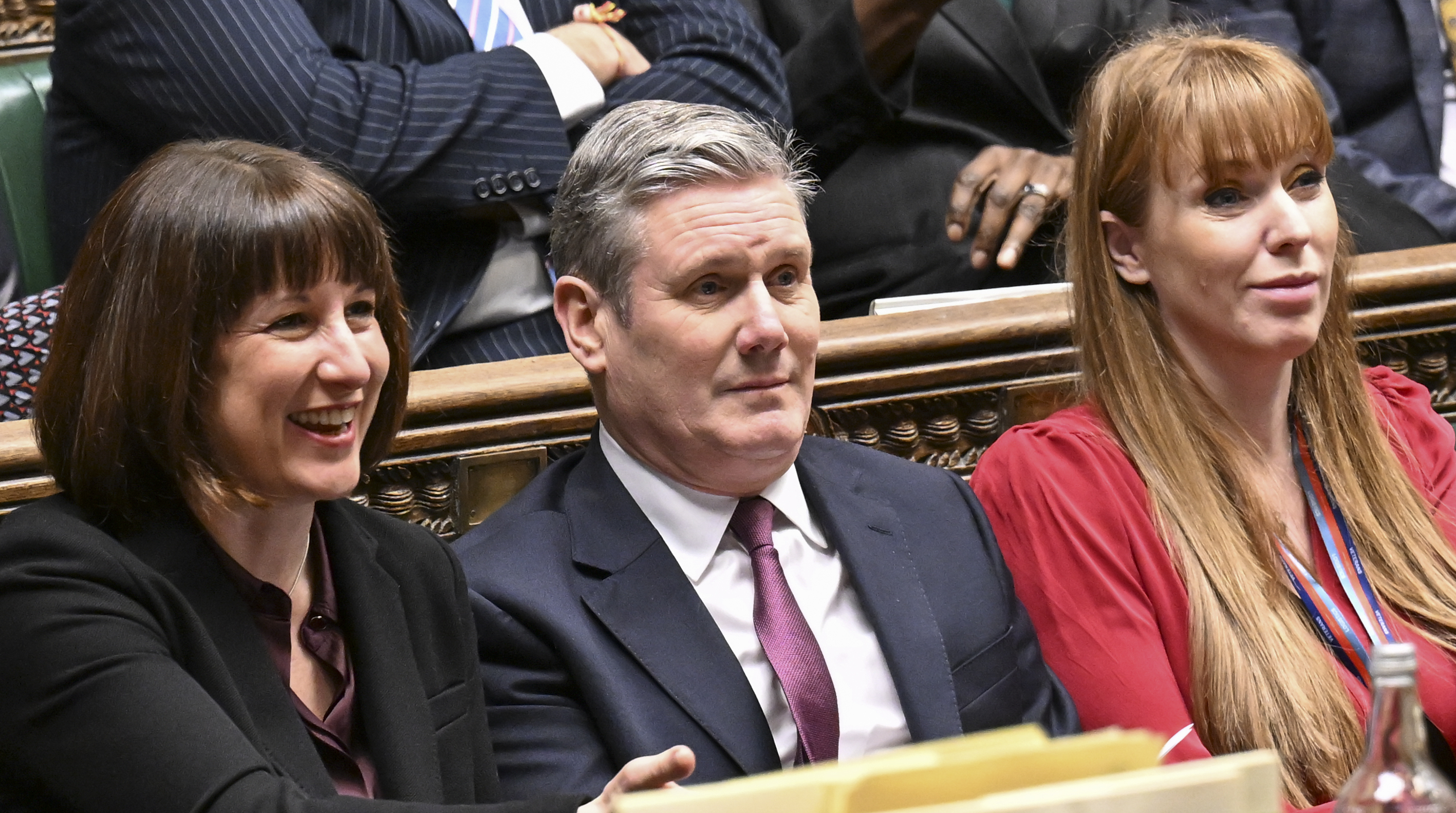
Junior Labour minister Miatta Fahnbulleh resigned from the UK government today and called for Prime Minister Keir Starmer to step down [1].
The resignation signals growing instability within the Labour party as it faces mounting internal pressure following a series of local-election losses.
Fahnbulleh said the government failed to deliver the pace and vision promised to voters [4]. She said she could not continue to serve under a leader who has failed to deliver for the British people [3].
"The Labour Party must listen to the electorate and consider new leadership," Fahnbulleh said [1].
This departure follows a period of significant friction within the party's ranks. Reports on the number of ministerial exits vary; the BBC noted she is the fourth Labour minister to resign [3], while Global News described it as the first exit [1].
Pressure on the Prime Minister continues to mount from within his own party. Between 75 and 80 MPs have urged Starmer to step down [1, 5]. One report specified that 75 MPs out of 403 have made this demand [5].
Fahnbulleh said she urges Keir Starmer to step aside for the good of the country [5]. Her exit coincides with a broader struggle for survival as the Prime Minister fights to maintain his authority amid a party beating in local elections [2].
“I cannot continue to serve under a leader who has failed to deliver for the British people.”
The resignation of a sitting minister, coupled with calls for leadership change from up to 80 MPs, suggests a deepening crisis of confidence in Keir Starmer's direction. By linking the resignation to local-election failures, the internal opposition is framing the Prime Minister's leadership as a liability for the party's broader electoral viability.


