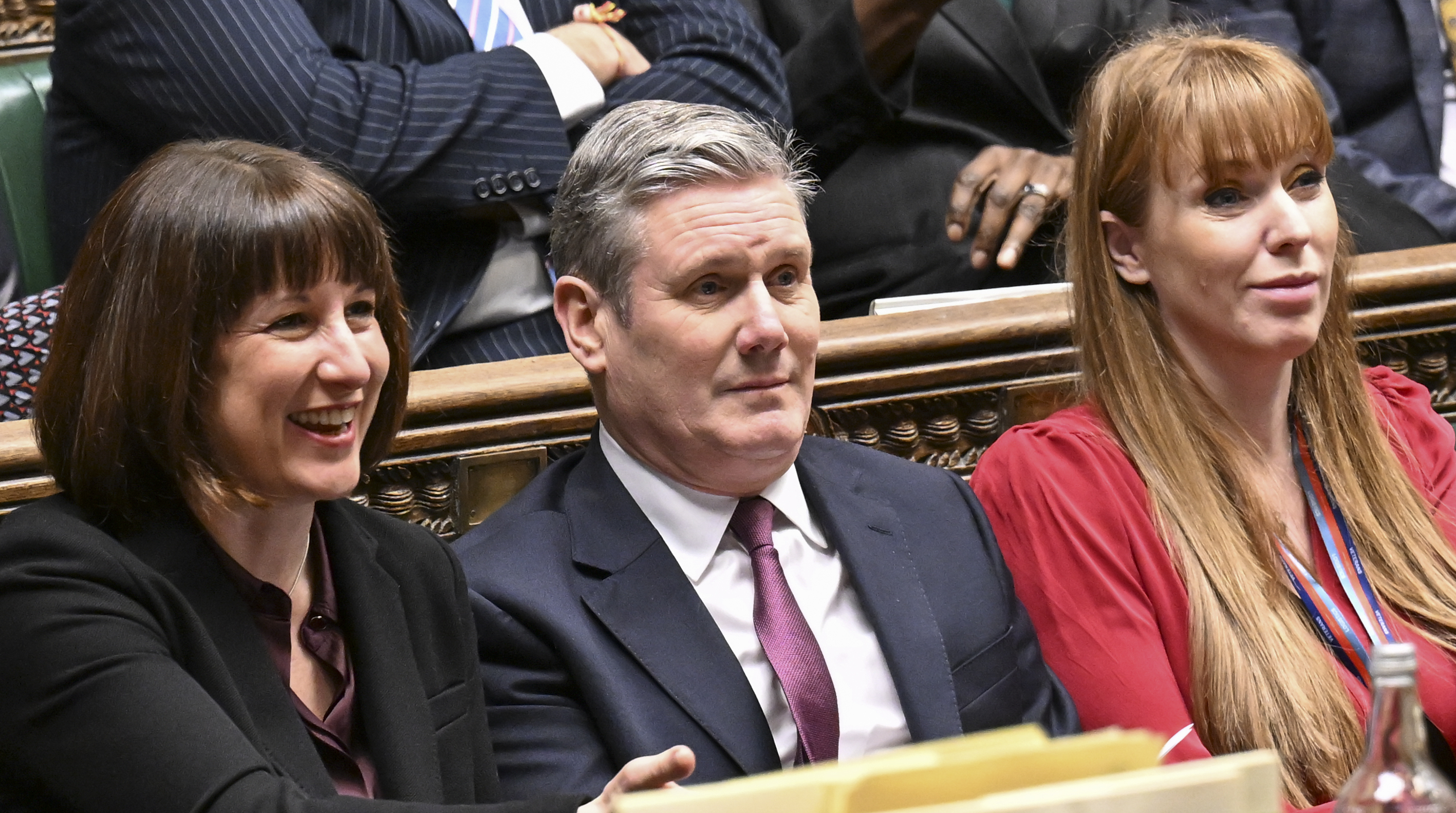
Prime Minister Keir Starmer and the Labour Party are facing mounting internal pressure following sweeping electoral losses and a decline in national polling.
This downturn threatens the party's stability and leadership heading into critical local and regional elections. The slide suggests a growing disconnect between the party's current strategy and the priorities of the electorate.
According to data from April 2026, the Labour Party slipped to fourth place [1] in national polling. This decline occurred as the party entered a month-long sprint toward elections scheduled for early May 2026 [1], [2]. At the time of the polling shift, the party was approximately four weeks [1] away from those regional contests.
Internal dissent is being driven by a combination of policy disagreements and leadership scrutiny [2]. The party has struggled to maintain a unified front as it grapples with poor poll performance and the rise of political challengers [2].
Starmer said the situation was a "very tough picture" [2]. The leadership now faces the challenge of reforming the party's approach to regain momentum before the electoral window closes.
While the party seeks to stabilize its base, the pressure from within the organization continues to grow. This friction centers on whether current leadership can pivot effectively to stop the slide in public support.
“Labour slipped to fourth place in national polling”
The slide to fourth place indicates a significant erosion of Labour's electoral viability in the short term. If Starmer cannot resolve internal policy disputes and arrest the polling decline, the upcoming local and regional elections may trigger a broader leadership crisis or a fundamental shift in the party's strategic direction to counter the current momentum of opposing political factions.