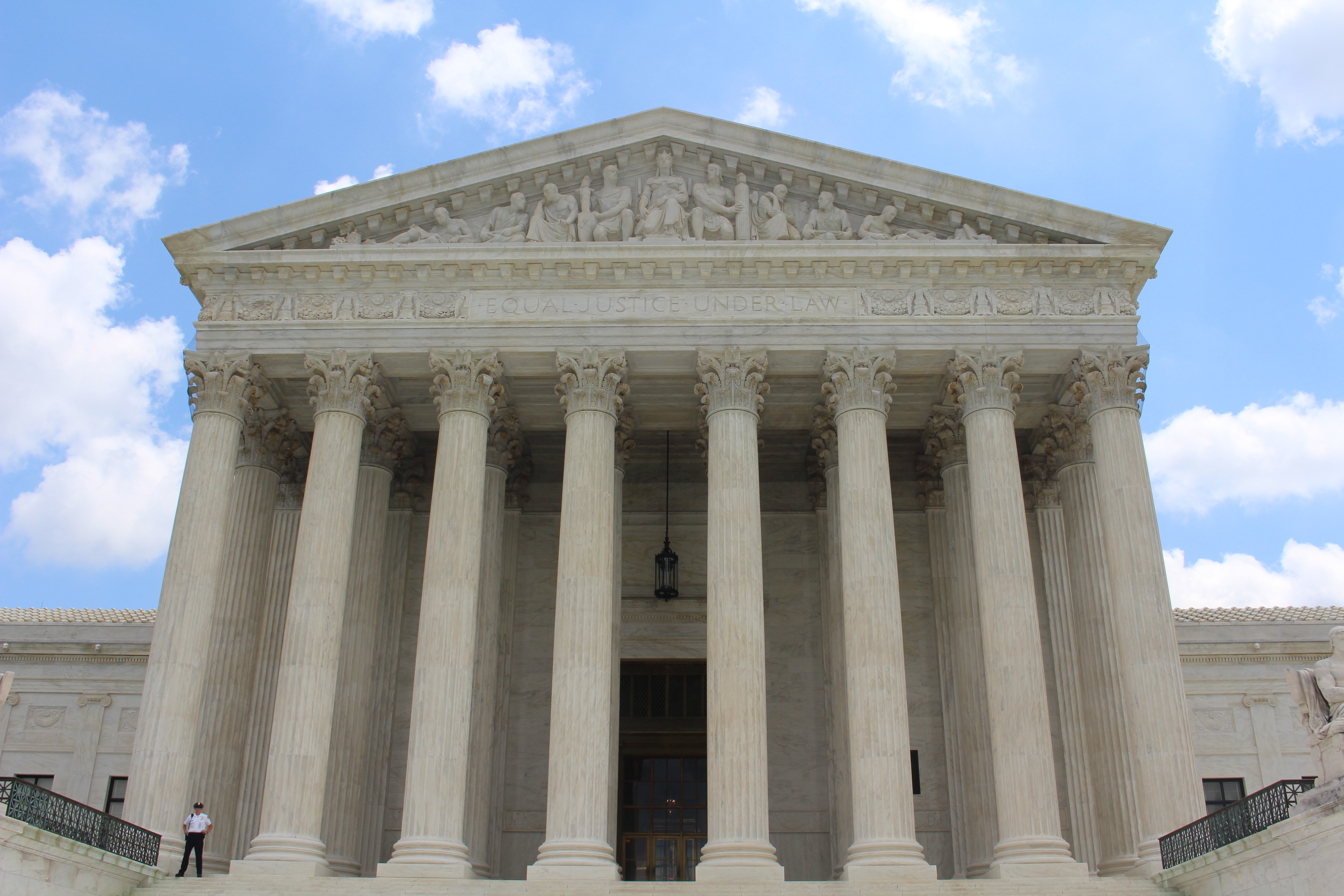
The Lahore High Court Bar Association filed a petition in the Supreme Court challenging the transfer of three Islamabad High Court judges [1].
This legal challenge highlights a growing conflict over judicial autonomy and the legality of administrative transfers within Pakistan's higher courts. The outcome could determine whether the government can move judges without violating constitutional protections regarding independence.
Babar Murtaza, president of the Lahore High Court Bar Association, led the effort to seek the cancellation of the transfers [2]. Murtaza said the moves were against the Constitution and judicial independence [3]. The petition argues that the process lacked transparency and breached Article 2-A of the Constitution [4].
The association specifically challenged the role of the Federal Constitutional Court in these proceedings. The Lahore Bar Association president said FCC judges cannot decide the constitutionality of the amendment, being the "beneficiaries in their own cause" [3].
According to the filing, the transfer of the three judges [1] is viewed as an unconstitutional act. The association representative said the transfer is unconstitutional, citing lack of transparency, and violation of Article 2-A [4].
The petition asks the Supreme Court to review the legality of the 27th amendment following these transfers [3]. The association maintains that judicial independence is compromised when judges are moved in a manner that lacks clear, transparent criteria.
“The judges' transfers were against the Constitution and judicial independence.”
This petition represents a strategic attempt by the legal community to check executive or administrative power over the judiciary. By invoking Article 2-A and questioning the impartiality of the Federal Constitutional Court, the Lahore High Court Bar Association is attempting to establish a legal precedent that prevents the strategic relocation of judges, which critics argue can be used to influence court rulings.