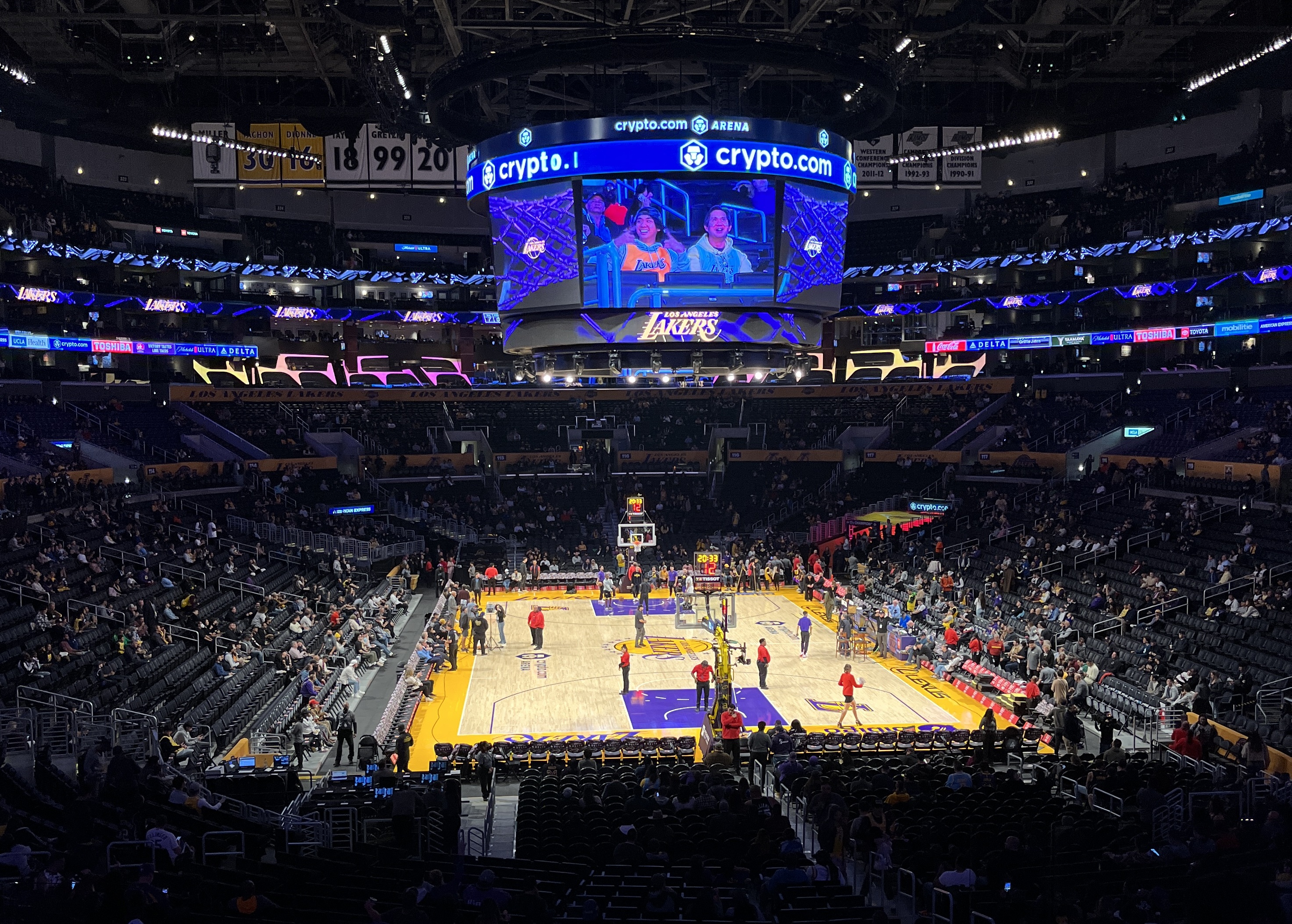
The Los Angeles Lakers defeated the Miami Heat 93-91 in a double-overtime game during the 2026 California Classic Summer League on Sunday [1].
The victory highlights the depth of the Lakers' developmental roster and their ability to maintain composure under pressure. This performance serves as a critical evaluation period for young talent vying for spots on the main roster before the regular season begins.
The contest took place at the Chase Center in San Francisco, California [1], [3]. Los Angeles faced a significant early struggle, trailing Miami by 16 points [2] before mounting a rally to force the game into extra periods [1], [3].
Cameron Carr led the offensive effort for the Lakers, contributing 26 points to the final tally [1]. His scoring output provided the necessary momentum to erase the deficit and keep the Lakers competitive throughout the game.
The match remained undecided through the first overtime period, eventually pushing into a second overtime session [1], [3]. The deadlock ended when Anton Watson hit the decisive game-winning basket to secure the two-point victory [1].
The game was characterized by high intensity and sudden shifts in momentum, a hallmark of the summer league's competitive atmosphere. While the Heat maintained a lead for much of the regulation play, the Lakers' defensive adjustments in the final frames allowed them to reclaim control [2].
This result marks a significant win for the Lakers' summer squad as they continue their campaign in the California Classic [1]. The team's ability to overcome a double-digit deficit in a high-stakes environment demonstrates a resilience that coaching staffs prioritize during these exhibition tournaments.
“The Los Angeles Lakers defeated the Miami Heat 93-91 in a double-overtime game”
This game underscores the importance of the California Classic as a testing ground for NBA prospects. The Lakers' ability to overcome a 16-point deficit in a double-overtime setting suggests a high level of mental fortitude and tactical flexibility among their young players, potentially influencing future roster decisions.


