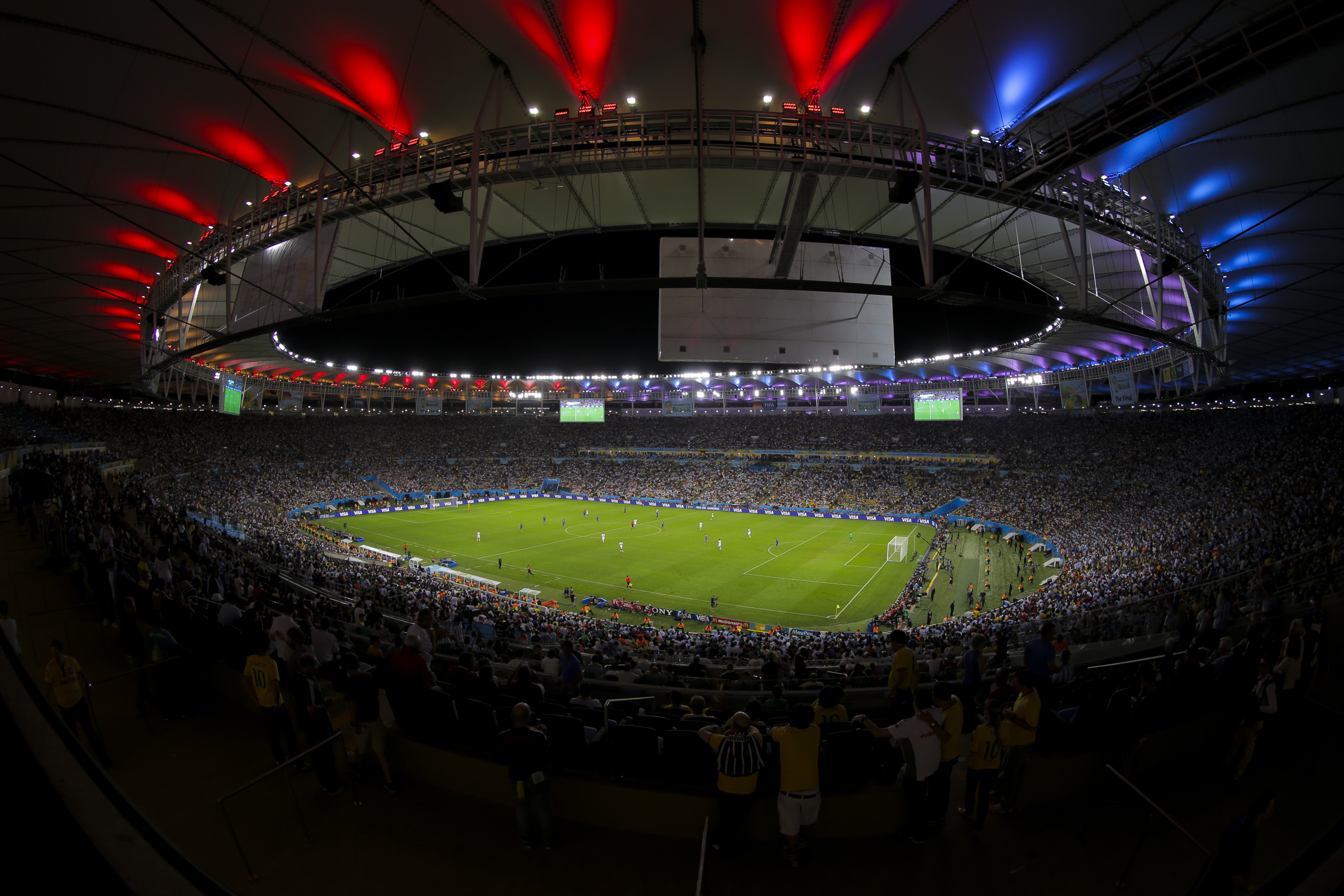
Le Monde released an animated summary of the FIFA World Cup final between Spain and Argentina [1].
The move highlights the increasing difficulty and cost for news organizations to secure broadcast rights for major sporting events. By utilizing animation, the publication provides a visual narrative of the game without infringing on exclusive media licenses.
The video was produced by Pierre Lecornu and Emilie Duhamel [1]. Graphic artist Arthur Navet provided the visuals for the project [1]. The production team said they chose this format because Le Monde does not possess the image rights required to show actual footage from the match [1].
This approach allows the news outlet to maintain its coverage of the global event while bypassing the legal restrictions associated with FIFA's strict broadcasting contracts. The animation serves as a tactical workaround to deliver a match recap to its audience, which is a necessity for a major publication covering a world-scale event.
While the video lacks the visceral quality of live-action highlights, it provides a structured breakdown of the key moments of the Spain-Argentina clash [1]. The project demonstrates a shift toward creative alternatives when traditional media access is restricted by corporate ownership of sports imagery [1].
“Le Monde does not have broadcast image rights for the match”
This incident underscores the tension between the public's desire for journalistic coverage of global events and the restrictive nature of exclusive sports broadcasting rights. As FIFA and other sporting bodies tighten control over image licenses, media outlets may increasingly rely on non-traditional formats like animation or data visualization to report on the action without facing legal penalties.


